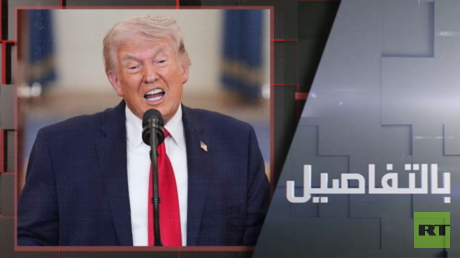
Tensions between the United States and Iran are intensifying, as the Strait of Hormuz has emerged as a critical battleground in the energy conflict. The exchanged statements from both parties suggest the possibility of military escalation that could significantly impact global energy markets.
Recently, U.S. President Donald Trump announced his readiness to take stringent actions against Iran, raising concerns about the outbreak of military conflict in the region. These statements come at a sensitive time, as the global economy heavily relies on oil flows through the Strait of Hormuz, which is considered one of the most important waterways in the world.
Details of the Event
Reports indicate that Trump has hinted at the possibility of imposing new sanctions on Iran, in an attempt to pressure Tehran to change its behavior in the region. In response, Iran has threatened to increase its military activities in the Strait of Hormuz, further escalating tensions.
Iran views the Strait of Hormuz as a vital gateway for oil transport, with approximately 20% of total global oil exports passing through it. Any military escalation in this area could lead to a significant rise in oil prices, which would affect the global economy.
Background & Context
Historically, the Strait of Hormuz has witnessed numerous crises, serving as a stage for multiple conflicts between major powers. In the 1980s, there was a naval conflict between Iran and Iraq, which significantly impacted maritime traffic in the region.
In recent years, tensions between the United States and Iran have escalated following Washington's withdrawal from the Iranian nuclear deal in 2018. Since then, the United States has imposed a series of economic sanctions on Iran, exacerbating the situation in the region.
Impact & Consequences
If tensions continue to escalate, it could have negative effects on global oil markets. Rising oil prices may reflect on the cost of living in many countries, increasing economic pressures on governments.
Moreover, any military escalation could destabilize the entire region, potentially opening the door for new international interventions. This scenario could complicate security situations in the Middle East even further.
Regional Significance
The Arab countries neighboring the Strait of Hormuz are among the most affected by the current tensions. Any escalation in the region could impact oil exports from Gulf countries, reflecting negatively on their economies.
Additionally, the deteriorating security situation may heighten fears of terrorist attacks or hostilities, threatening stability in the region. Thus, Arab countries need to take proactive steps to protect their economic and security interests.
In conclusion, all eyes remain on the Strait of Hormuz, where concerns about a potential escalation between the United States and Iran are growing. Developments in this sensitive region will continue to cast shadows over the global economy and regional security.