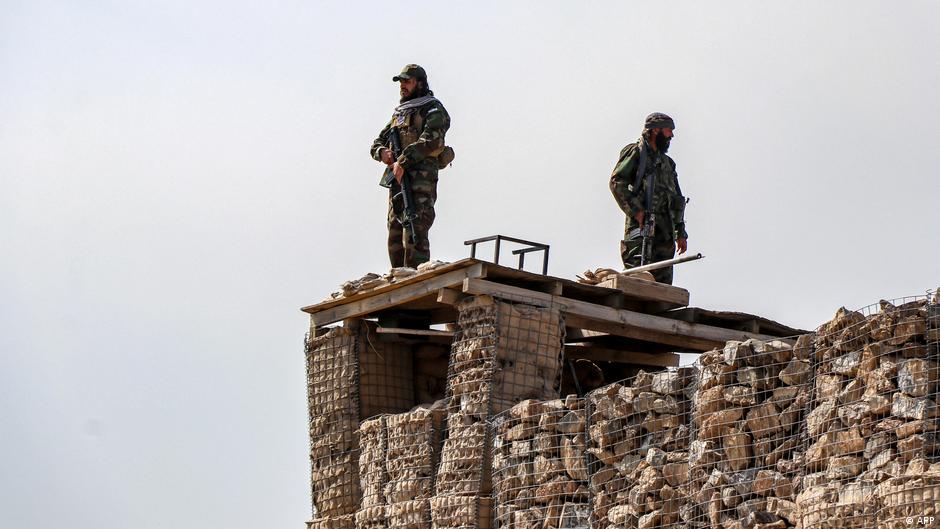
Tensions are escalating along the border between Pakistan and Afghanistan, with reports indicating that Islamabad is seeking to establish a sphere of influence along the border known as the Durrand Line, which dates back to the colonial era. Meanwhile, Pakistani forces continue to bombard border areas in Afghanistan, intensifying the conflict between the two sides.
On March 31, the Pakistan-Afghan Peace Council convened in Peshawar, near the Afghan border, where the council called for an immediate ceasefire and urged for a resolution to the conflict through dialogue. However, it remains to be seen whether this call will lead to any tangible outcomes.
Details of the Event
In late February, the Pakistani Defense Minister announced that Islamabad is in a state of open war with Afghanistan, initiating a bombing campaign on border regions. Pakistan accuses the Afghan Taliban government of supporting armed groups such as Tehrik-i-Taliban Pakistan (TTP), which is blamed for a series of bloody attacks within Pakistan. For its part, the Afghan Taliban denies providing any support to these groups.
Reports indicate that the Pakistani bombardment has resulted in civilian casualties and injuries, including women and children, in Kunar province, while other areas like Nuristan are suffering from severe shortages of food, fuel, and medicine.
Background & Context
Historically, the Durrand Line represents a disputed border between Pakistan and Afghanistan, drawn in 1893 during the British colonial period. This line today is a major point of contention, as it was not agreed upon with Pakistan, which was established in 1947. Nevertheless, this line forms the international boundary between the two countries.
In recent years, the region has witnessed an escalation in violence, with ongoing clashes between Pakistani forces and the Afghan Taliban. With the failure of negotiations mediated by Turkey and Qatar, it appears that both sides have made no progress towards a lasting resolution to the conflict.
Impact & Consequences
Analysts expect that these tensions will exacerbate the humanitarian situation in border areas, where civilians are suffering from the effects of bombardment and clashes. Furthermore, the continuation of military operations could pave the way for a larger escalation in the conflict, potentially affecting regional stability.
Moreover, these events may lead to a reassessment of relations between Pakistan and the Afghan Taliban, as the Taliban's stance towards Pakistan is seen as a test of its ability to maintain sovereignty and independence.
Regional Significance
Although these events are occurring far from the Arab world, they have indirect implications for the region. The ongoing conflict between Pakistan and Afghanistan could lead to an increased flow of refugees into neighboring countries, placing additional pressure on Arab nations that are already hosting large numbers of refugees.
Additionally, the rise in violence in the region may impact peace efforts in the Middle East, as regional crises can overlap and affect overall stability.