Amid escalating confrontations in southern Lebanon, questions are rising regarding the objectives and limits of the Israeli ground operation, especially following statements from Israeli Prime Minister Benjamin Netanyahu and the Defense Minister about separating fronts and seeking to establish a buffer zone within Lebanese territory.
Field developments are accelerating on the ground, with clashes ongoing between Israeli forces and Hezbollah, reflecting the complexity of the military scene and the difficulty in resolving it in the near term.
Details of the Event
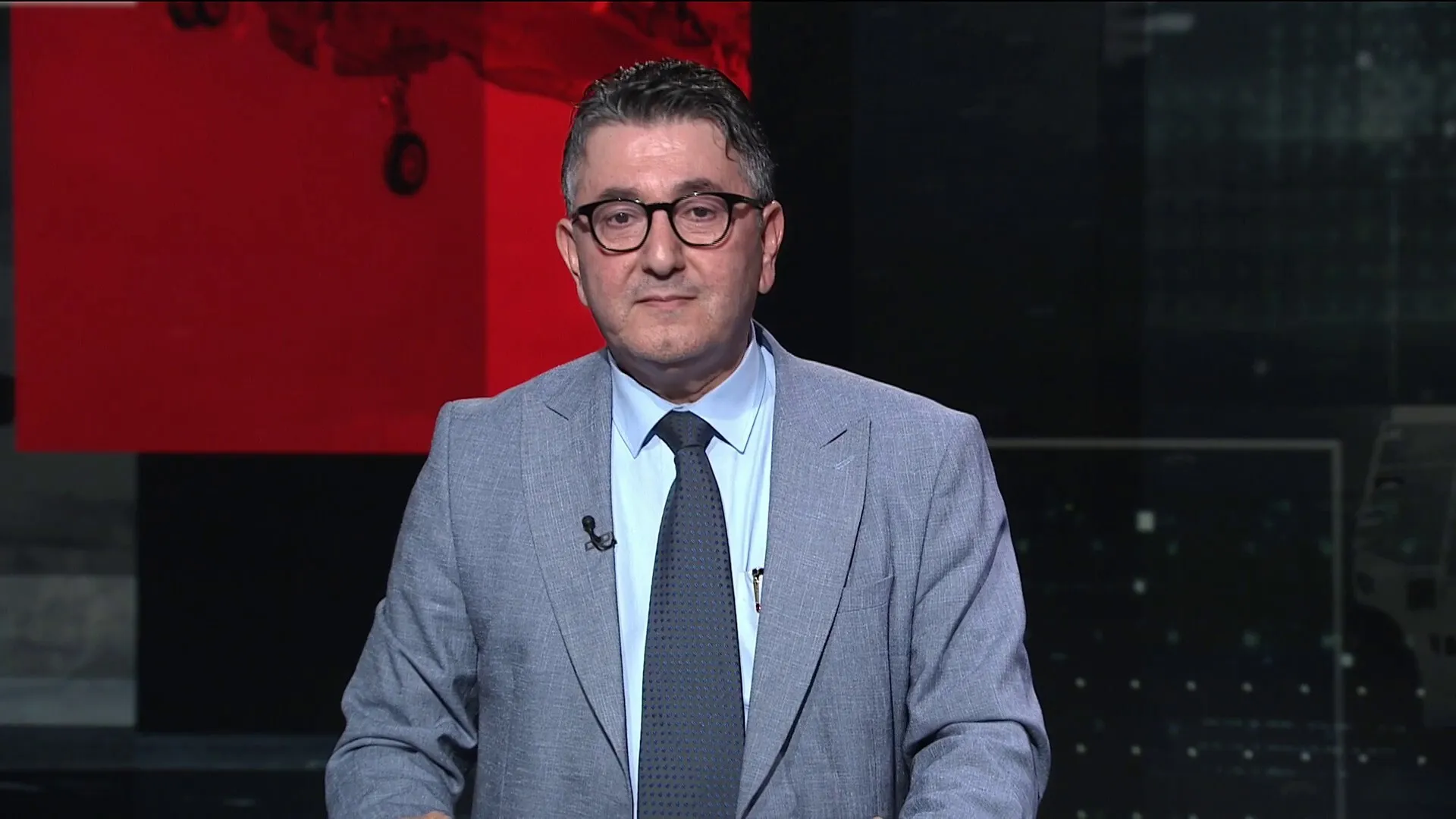
Brigadier General Hassan Jouni, a military and strategic expert, stated that the theater of operations is centered in the southern Litani region, which represents the primary target of the operation. He pointed out that Israel seeks to tighten control over it, whether through ground incursions or what he described as "fire control."
Jouni clarified that this control does not necessarily mean complete occupation but includes targeting bridges, infrastructure, and controlling movement paths, while Hezbollah continues to carry out operations against the invading forces.
Background & Context
Jouni noted that recent confrontations, including the deaths of several Israeli soldiers, reflect an evolution in combat methods. Hezbollah relies on advanced tactics that include complex ambushes and lure techniques targeting Israeli forces during their movements, especially in areas like Beit Leif and Einata.
These tactics reinforce what Jouni described as the "serpentine doctrine," where small groups move with high flexibility, making it difficult for Israeli forces to detect or effectively deal with them.
Impact & Consequences
Regarding the establishment of a buffer zone, Jouni emphasized that achieving this goal faces significant challenges, as northern Israeli areas remain vulnerable to missiles, whether short or long-range, in addition to the threat of anti-tank drones.
He also pointed out that ground incursions are hindered by the complex Lebanese geography, with hills, valleys, and forests, which grants Hezbollah a relative advantage in the field.
Regional Significance
On the topic of destroying border villages, Jouni clarified that this option, even if implemented, would not ensure security for Israel. The destruction of infrastructure does not change the nature of geography, which remains a critical factor in the course of confrontation.
He added that any Israeli forces that penetrate these areas will remain susceptible to attrition, making the imposition of sustainable control exceedingly complex amid ongoing military operations.
Ultimately, the field scene in southern Lebanon reflects an open conflict between Israeli objectives seeking to impose a new security reality and Hezbollah's field capabilities relying on flexibility and tactics, keeping the outcomes of the confrontation contingent on future developments in the field.