The crisis in the Strait of Hormuz is increasingly interacting with the repercussions of the war on Iran, as former U.S. President Donald Trump has revived discussions about the necessity of field action and international coordination to open the strait. This comes at a time when Iran continues to threaten to strike the infrastructure and vital interests of the United States and regional countries.
Regional and international positions regarding the Strait of Hormuz Coalition Initiative are intensifying, including a draft resolution at the United Nations concerning the strait, as noted in the 'Event Context' segment on Al Jazeera.
Details of the Crisis
This file features key players, namely the United States, Iran, the Gulf Cooperation Council, and the United Nations. Each of these entities has its own positions and visions for resolving the crisis, yet the U.S. president's stance remains ambiguous given its continuous changes. Trump stated, "We will consider a ceasefire when the Strait of Hormuz is open, free, and clean," expressing his dissatisfaction with his country's allies and emphasizing that oil-importing nations through the strait must bear the responsibility of protecting this global passage.
In response, Iran, through its Foreign Minister Abbas Araghchi, asserted that the strait is only closed to ships that are at war with it, and that the decision for other ships to cross lies with those countries.
Background & Context
The Gulf Cooperation Council has stressed the necessity of its member states' participation in any talks or agreements with Iran to ensure regional security, pointing out that the Iranian regime's attacks on neighboring countries have crossed all red lines. On another front, opinions within the United Nations Security Council have varied regarding how to handle the Strait of Hormuz crisis, leading to the postponement of a vote on a draft resolution that includes the use of defensive means to secure navigation and international trade.
Outside the Security Council, positions also diverge between those calling for the use of force to open the strait and those preferring peaceful solutions. British Prime Minister Keir Starmer spoke about consultations involving countries willing to contribute to ensuring safe passage through the strait, while France distanced itself from the use of force, emphasizing the need for peaceful solutions.
Impact & Consequences
The positions of the involved parties regarding the Strait of Hormuz are based on specific calculations. The United States views the crisis as an opportunity to build a broader coalition against Iran, while fearing the risks of ground intervention. On the other hand, Iran seeks to exploit the crisis for negotiating gains, holding onto the card of closing the strait. At the same time, Gulf countries hope to break Iran's monopoly over the strait, despite their fears of escalating Iranian attacks on their vital interests.
The United Nations, through its draft resolution concerning the Strait of Hormuz, aims to build a unified international position, despite existing differences in stances. In this context, constitutional law and political systems expert Dr. Salim Zakhour believes that Iran has tightened its control over the strait, putting pressure on the United States, which sees that the military option to open the strait carries a high cost.
Regional Significance
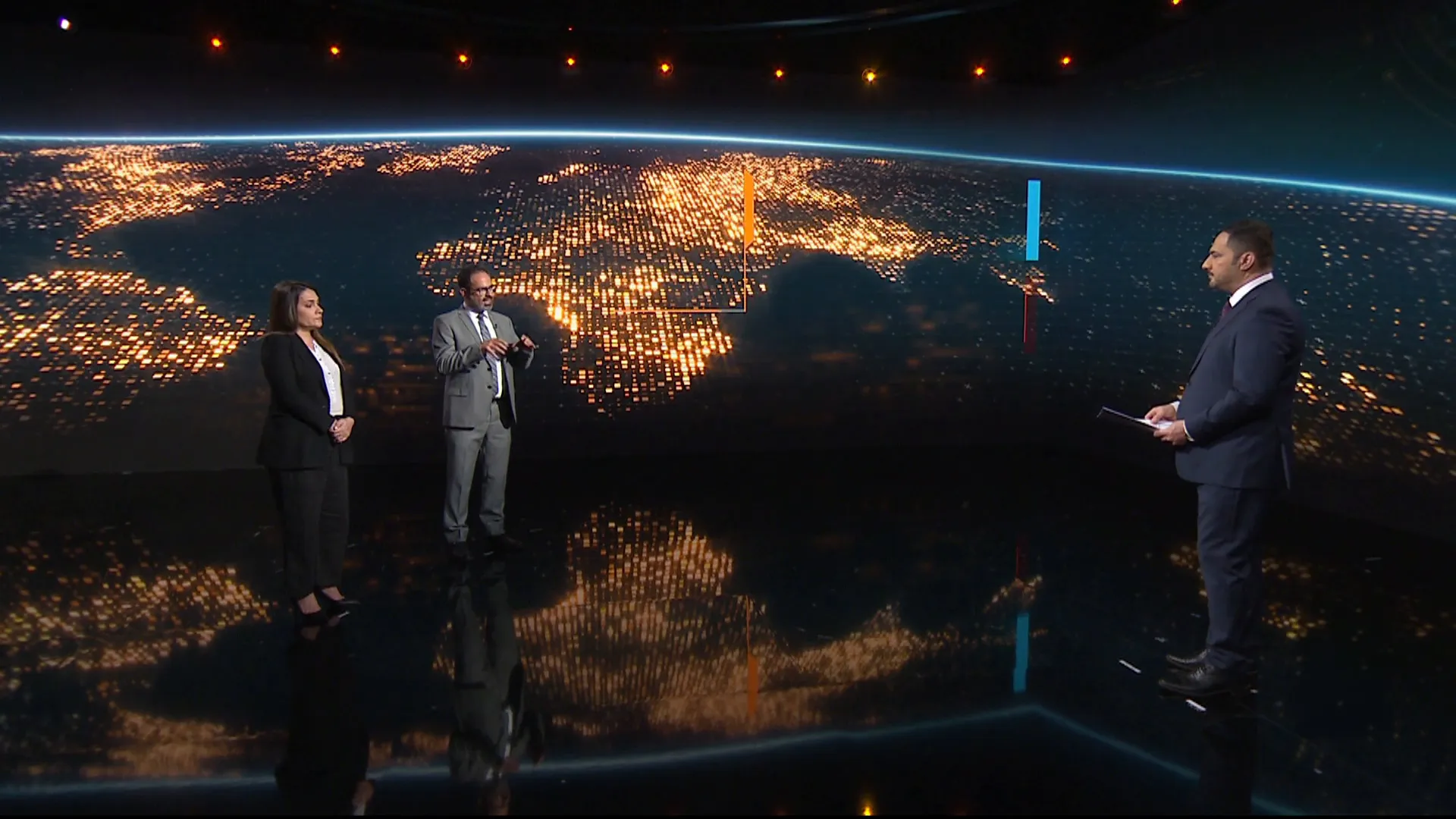
Zakhour ruled out resorting to the military option, indicating that the crisis could be resolved through negotiations with Iran. He confirmed that there are indicators supporting this, as forecasts suggest that the probability of opening the strait militarily is estimated at 10%, while the likelihood of the situation remaining as it is reaches 30%, whereas reliance on a UN mechanism could reach 60%.
For her part, international law expert Diala Shahada emphasized that Iran justifies its actions by claiming compliance with international law, but its interpretation of which countries pose a security threat requires clear measures. She pointed out that Iran uses the Strait of Hormuz as a military tool to defend itself, stressing the importance of the UN's role in resolving disputes.
In conclusion, the crisis in the Strait of Hormuz remains a significant challenge to regional and international security, with increasing risks and tensions, necessitating coordinated international efforts to resolve this crisis.