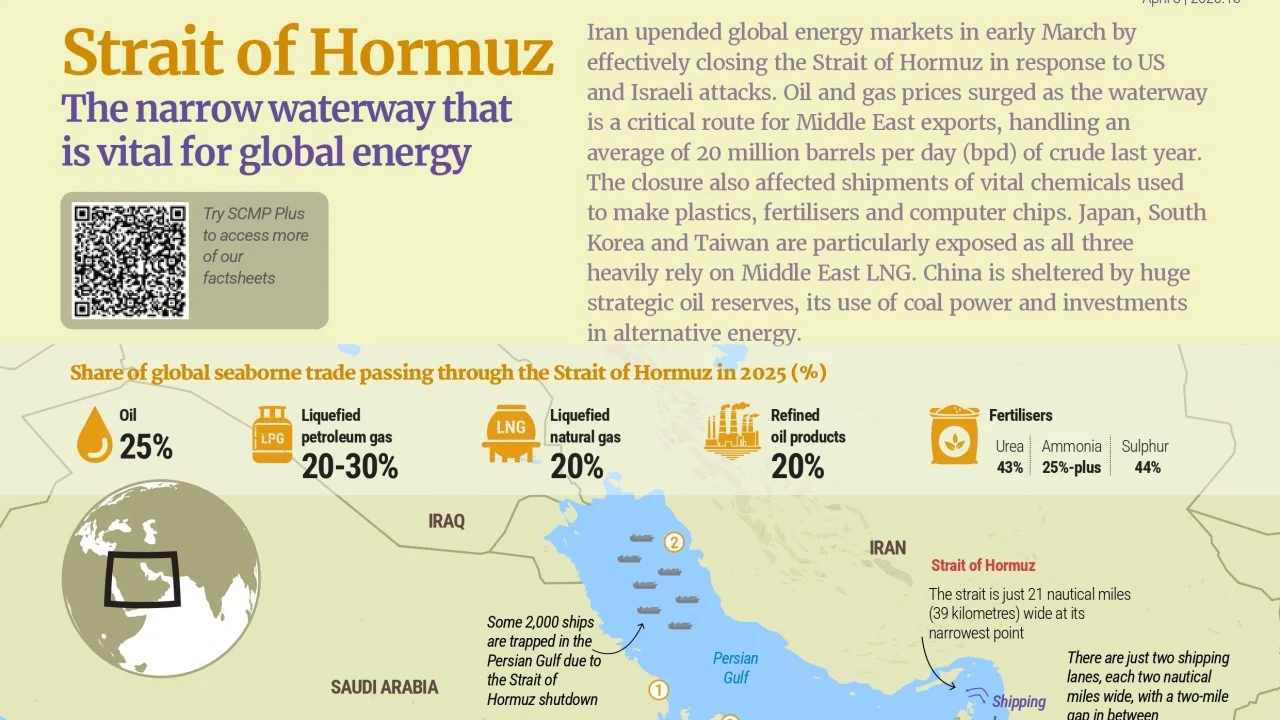
The Strait of Hormuz, considered one of the most important maritime passages in the world, is experiencing a rise in political and military tensions, raising serious concerns about the safety of international navigation. This crisis comes at a critical time, as the global economy heavily depends on the flow of oil and gas through this strait.
Recently, military reports have detected unusual movements of naval forces in the region, reflecting the escalating tensions among the concerned countries. The Strait of Hormuz is a vital transit point, through which approximately 20% of the world's total oil supplies pass, making any escalation in tensions have far-reaching consequences on global markets.
Details of the Situation
According to military sources, there has been a noticeable increase in maritime activities in the Strait of Hormuz, with some countries deploying warships in the area. These steps come in the wake of a series of incidents that have occurred in the region, including attacks on oil tankers and threats from certain armed groups.
Major powers are seeking to enhance their military presence in the region, with the United States announcing plans to increase the number of warships in the Strait of Hormuz. In response, some other countries have taken similar measures, further escalating tensions and raising concerns about the possibility of military conflict.
Background & Context
Historically, the Strait of Hormuz has witnessed numerous political and military crises, as the region has been a theater for multiple conflicts for decades. In the 1980s, the area experienced a war between Iraq and Iran, during which navigation in the strait was repeatedly threatened. Recent years have also seen an escalation in tensions between Iran and the United States, complicating the situation in the region.
This current crisis is part of a larger struggle among major powers in the Middle East, with each country seeking to enhance its influence in the region. Economic and political interests intertwine in this crisis, making it difficult to reach a peaceful resolution.
Impact & Consequences
The increasing tensions in the Strait of Hormuz could lead to negative effects on the global economy. If these tensions persist, we may witness a rise in oil prices, impacting all oil-importing countries. Additionally, any military escalation could disrupt navigation, negatively affecting global trade.
Moreover, the continuation of tensions may exacerbate political divisions in the region, potentially affecting relations between Arab countries and major powers. Any military escalation could also lead to an influx of refugees and increased internal tensions in some countries.
Regional Significance
The Arab countries neighboring the Strait of Hormuz are among the most affected by the current tensions. Many of these countries rely on oil revenues, and any increase in prices could adversely affect their economies. Furthermore, any military escalation could have security repercussions, as some countries may face attacks or threats from armed groups.
In light of these circumstances, Arab countries must take proactive steps to protect their economic and security interests. It may be necessary to enhance regional cooperation and develop joint strategies to address these tensions.