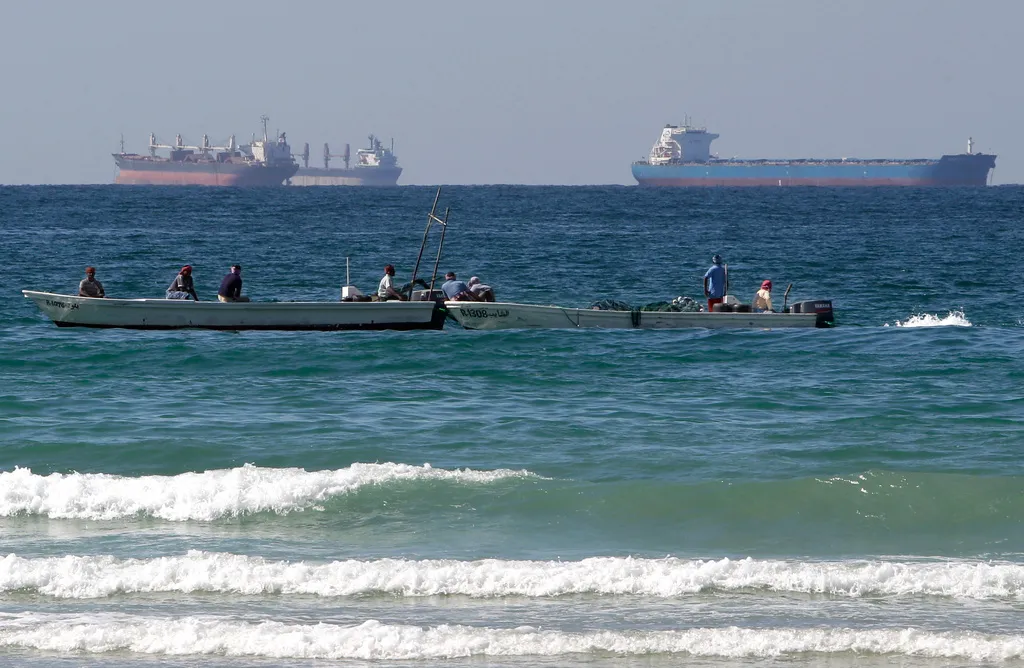
Tensions are escalating in the Strait of Hormuz, considered one of the most important maritime corridors in the world, through which about 20% of the world's oil passes. Recent events have sparked fears about the impact of these tensions on international shipping, which could negatively affect the global economy.
Amid rising threats, several countries have announced the strengthening of their military presence in the region, further heightening tensions. These movements come at a sensitive time, as oil prices are experiencing a noticeable increase, putting additional pressure on global markets.
Details of the Situation
Reports indicate an increase in military activities in the Strait of Hormuz, with some countries deploying warships to the area. Unusual movements of naval forces have also been observed, raising concerns among neighboring countries and the international community.
These events occur at a time when tensions are escalating between Iran and Western nations, with some countries accusing Iran of attempting to assert control over maritime passages, which threatens to intensify conflict in the region.
Background & Context
The Strait of Hormuz is a vital strategic point, through which approximately 17 million barrels of oil pass daily. Historically, the strait has witnessed numerous crises, including military conflicts and maritime threats. In 2019, several oil tankers were attacked in the region, leading to heightened tensions between Iran and the United States.
Concerns are growing that current events could lead to open military conflict, especially given the significant economic interests of major powers in the region. Any escalation in the strait could directly impact global oil prices, reflecting on the world economy.
Impact & Consequences
Analyses suggest that rising tensions in the Strait of Hormuz could lead to a significant increase in oil prices, affecting oil-importing countries. Additionally, any closure of the strait would disrupt maritime navigation, negatively impacting global trade.
Moreover, these tensions could escalate military conflicts in the region, threatening security and stability in the Gulf Arab states. Major powers may intervene in the conflict, complicating the situation further.
Regional Significance
The Arab countries neighboring the Strait of Hormuz are the most affected by the current tensions. Increased tensions could lead to a flow of refugees, disruption of trade, and rising prices, impacting the economies of these countries. Furthermore, any military escalation could threaten the national security of these nations.
Ultimately, the current situation in the Strait of Hormuz requires urgent international attention, as any escalation could have serious repercussions for security and stability in the region and the world.