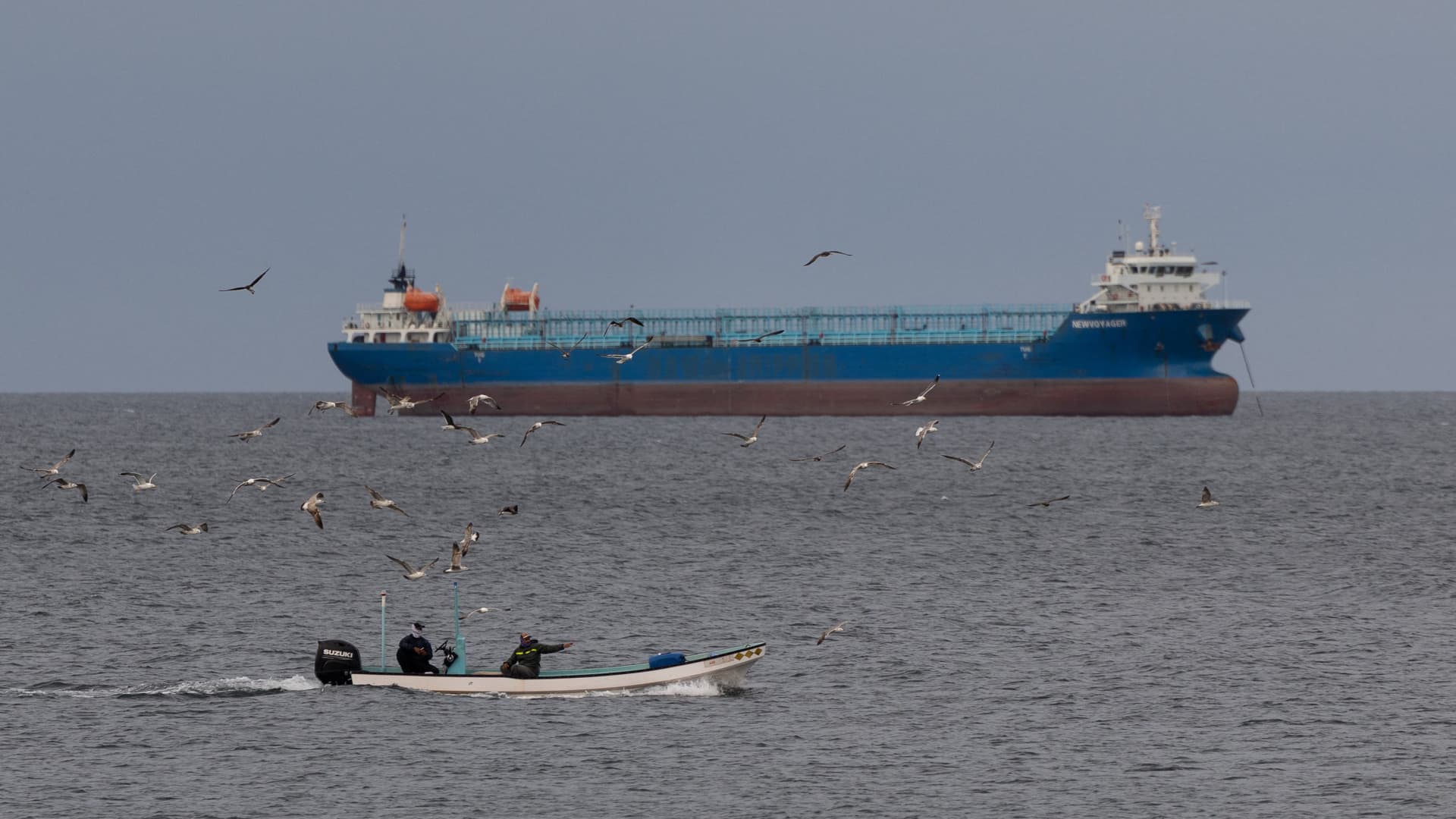
Asian markets, especially Japan, are preparing for a lower opening on Monday as escalating tensions between the United States and Iran significantly impact oil prices and financial markets across Asia. This follows new threats from US President Donald Trump, who warned of potential attacks on Iran's vital facilities if the Strait of Hormuz is not reopened, a key transit point for about one-fifth of global oil and gas supplies.
In a social media post, Trump asserted that he would bring "hell" to Iran after US forces rescued an American pilot who had fallen into Iranian territory last week. He also announced a new deadline for Iran, setting 8 PM Eastern Time on Tuesday as the cutoff for reaching an agreement with the United States, without providing further details.
Details of the Event
Iran responded to the US threats, stating that the reopening of the Strait of Hormuz would only occur after compensation for damages caused by the war. Tehran has also continued to target economic and infrastructure sites in the region, including oil facilities in Kuwait.
In a related context, eight members of the Organization of the Petroleum Exporting Countries (OPEC) and their allies increased their production quotas by 206,000 barrels per day for May, although this move appeared symbolic given the production and shipment restrictions imposed by several countries.
Background & Context
Historically, the Strait of Hormuz is one of the most important waterways in the world, through which a significant portion of global oil supplies passes. The region has seen increasing tensions in recent years, particularly with the escalation of the conflict between the United States and Iran. These tensions directly affect global oil markets, reflected in the noticeable price increases observed in recent days.
These events come at a time when many Asian countries are celebrating holidays, which may ease market movements. Australia, New Zealand, and Hong Kong are celebrating Easter, while China and Taiwan are observing Qingming Festival, known as Tomb-Sweeping Day.
Impact & Consequences
Financial markets anticipate that these tensions will significantly affect oil prices, with the price of US oil West Texas Intermediate rising by 2.57% to reach $114.11, while Brent crude recorded an increase of 2.62% to $111.65. These increases may lead to higher energy costs for consumers worldwide.
Additionally, US markets experienced a decline in futures contracts, with the Dow Jones falling by 253 points, or 0.5%. The S&P 500 and Nasdaq-100 indices lost 0.6% and 0.7%, respectively. These declines reflect investors' concerns over the escalating conflict in the Middle East and its impact on the global economy.
Regional Significance
For the Arab region, the escalating tensions between the United States and Iran could lead to increased instability in Gulf states, affecting oil prices and heightening economic challenges. Any military escalation could negatively impact Arab economies that heavily rely on oil exports.
In conclusion, attention remains focused on the upcoming developments in US-Iran relations, as any escalation could have far-reaching implications for global markets, prompting Arab nations to take precautionary measures to address potential negative impacts.