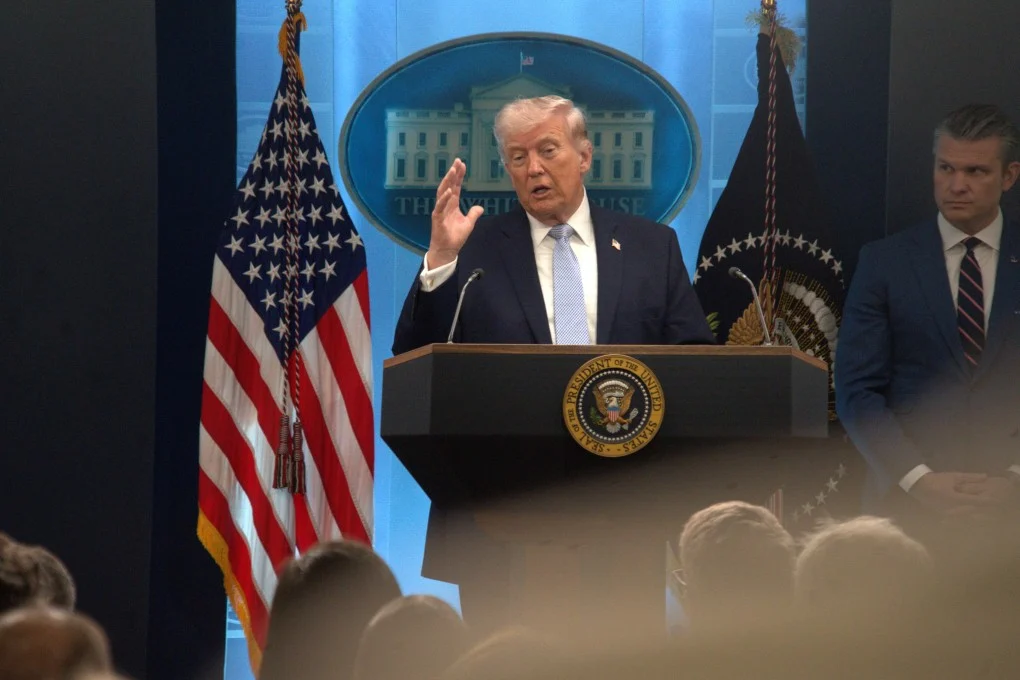
Tensions between the United States and Iran are escalating dangerously as the deadline set by President Donald Trump for a peace agreement approaches. As threats from Washington increase, Pakistan is attempting to renew its mediation efforts between the two parties.
On Tuesday morning, Trump issued unprecedented threats against Iran, stating that "a whole civilization will end tonight if Tehran does not comply with the deadline by 8 PM Eastern Time." This statement reflects an escalation in the tone of the U.S. administration towards Iran, heightening tensions in the Middle East.
Details of the Situation
These developments come at a sensitive time, as Trump seeks to achieve a diplomatic breakthrough before the upcoming presidential elections. Analysts have pointed out that U.S. threats could provoke military responses from Iran, increasing the risk of armed conflict in the region.
At the same time, Pakistan, which plays a traditional role as a mediator in regional disputes, is trying to resume its efforts to mediate between the United States and Iran. Islamabad has expressed its willingness to provide necessary support to ease tensions, but the success of these efforts remains uncertain.
Background & Context
Historically, relations between the United States and Iran have been tense since the Iranian Revolution in 1979. These relations have seen periods of escalation and de-escalation, but the current situation is among the most dangerous, especially with the increase in Iranian nuclear activities and Tehran's refusal to comply with previous agreements.
In recent years, the United States has imposed strict economic sanctions on Iran, significantly impacting the Iranian economy and leading to internal protests. These conditions make it difficult for the Iranian government to make decisions that it might consider weak in the face of external pressures.
Impact & Consequences
If an agreement is not reached, military escalation may be the only option available to both parties. This scenario could lead to serious repercussions for regional security, including increased attacks on U.S. forces in Iraq and Syria, as well as on U.S. allies in the region.
Moreover, any escalation could affect global oil prices, as Iran is one of the largest oil producers in the world. Any disruption in its exports could lead to rising prices and create economic crises in oil-dependent countries.
Regional Significance
The geopolitical risks in the region are increasing, which affects both regional stability and the global economy. The potential for conflict could have far-reaching implications beyond the immediate area, influencing international relations and economic conditions worldwide.
In conclusion, as the deadline approaches, the stakes are high for both the United States and Iran. The actions taken in the coming days will be crucial in determining the future of their relationship and the stability of the broader Middle East.