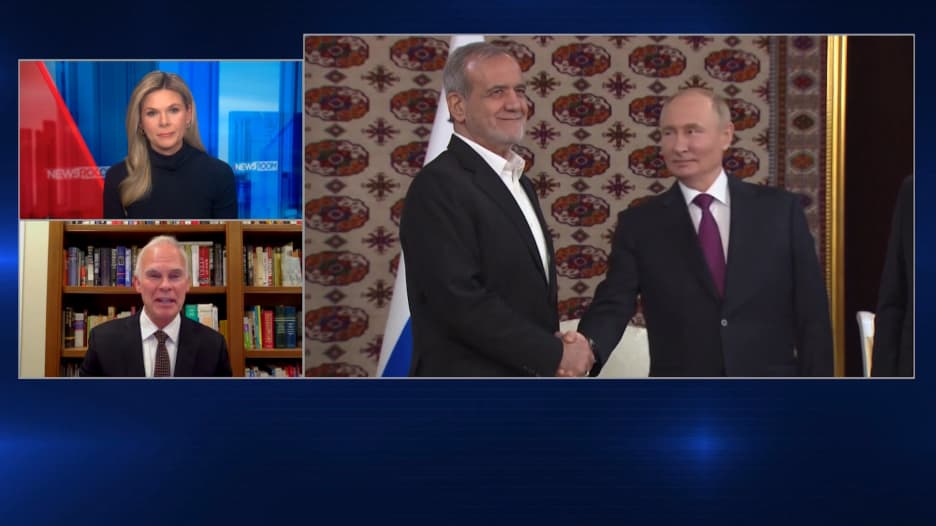
Tensions are escalating between the United States, Israel, and Iran, with each of these nations adopting hardline positions regarding the ongoing war in the Middle East. This conflict, which has been ongoing for some time, has exacerbated humanitarian and economic crises, significantly impacting regional and global stability.
As the United States seeks to bolster its position in the region, Iran continues to expand its influence by supporting armed groups, complicating peace efforts. Meanwhile, Israel focuses on securing its borders and preventing any potential threats from Iran, placing the region in a state of constant alert.
Details of the Conflict
The hardline stances adopted by the United States, Israel, and Iran are part of a long-standing struggle for influence in the Middle East. The United States aims to reduce Iran's influence in the region, while Iran responds by enhancing its military capabilities and supporting its allies. In the meantime, Israel continues to carry out military operations against Iranian targets in Syria, further intensifying tensions.
American positions include imposing stringent economic sanctions on Iran, while Iran rejects any attempts at negotiation under pressure. For its part, Israel seeks to form alliances with Arab nations to counter the Iranian threat, adding a new dimension to the conflict.
Background & Context
The roots of the conflict between Iran and the United States date back decades, with relations between the two countries deteriorating significantly since the Islamic Revolution in 1979. Since then, Iran has posed a strategic challenge to the United States and its allies in the region.
In recent years, tensions have notably escalated, especially after the United States withdrew from the Iranian nuclear agreement in 2018. This decision led to a surge in economic sanctions against Iran, significantly impacting its economy and exacerbating humanitarian crises.
Impact & Consequences
The ongoing war in the Middle East significantly affects the global economy, contributing to rising oil prices and leading to instability in financial markets. Additionally, the continued tensions between the United States and Iran could lead to military escalation that might drag the region into a broader conflict.
Moreover, the humanitarian crises resulting from the war affect millions of civilians, necessitating an urgent international response. Under these circumstances, there is an increasing need for genuine diplomatic efforts to end the conflict and achieve sustainable peace.
Regional Significance
The neighboring Arab countries are among the most affected by the Iranian-American conflict. The tensions contribute to increased sectarian divisions and bolster extremist groups. Furthermore, the conflict impacts the national security of Arab states, making them more vulnerable to external interventions.
In this context, some Arab nations are seeking to enhance security and military cooperation to confront Iranian threats, which may lead to the formation of new alliances in the region. However, the hope for achieving peace and stability remains elusive under these complex circumstances.
The hardline positions adopted by the United States, Israel, and Iran reflect the complexities of the conflict in the Middle East. As the war continues, the hope for peace and stability remains distant, necessitating genuine international efforts to end the conflict and ensure security for all.