The military conflict in the Middle East has intensified following the downing of an American fighter jet over Iran and a second warplane in the Gulf waters. This escalation occurs as the confrontation enters its sixth week without a clear path to de-escalation.
Two American officials reported to Reuters that an F-15 aircraft was shot down within Iranian territory, where American forces managed to rescue one of the pilots, while the search for the other is ongoing. In response, Tehran announced an expansion of its search operations and offered rewards for the capture of the survivors.
Details of the Incident
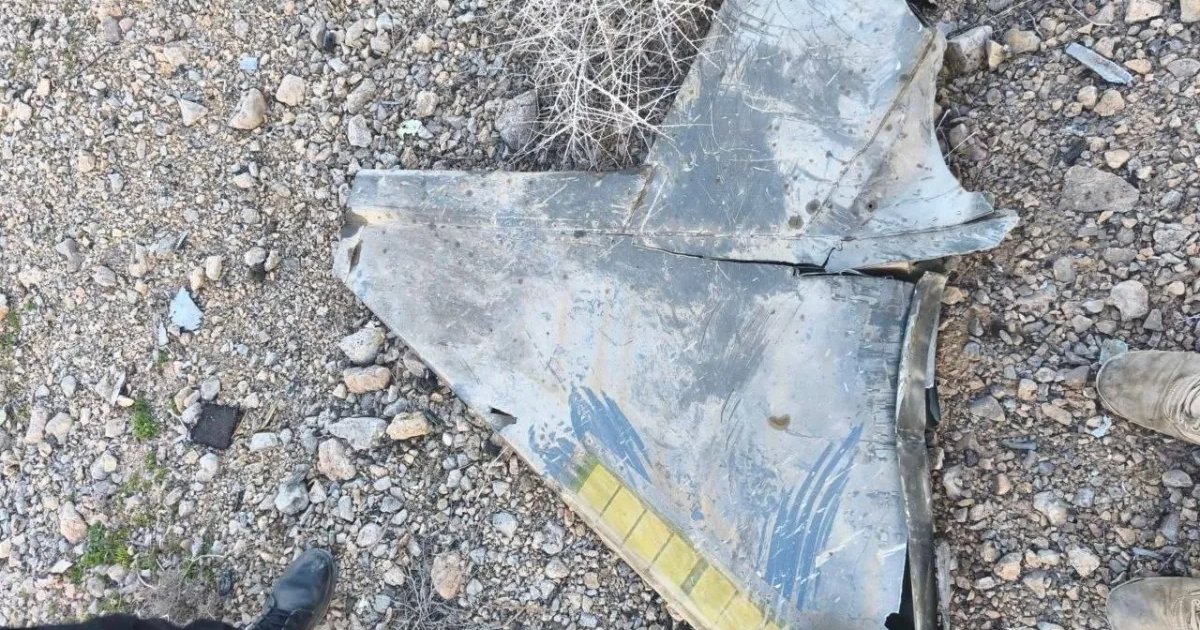
Tehran announced that the Iranian air defenses were responsible for downing the fighter jet, with Iranian television broadcasting images of the wreckage and the pilot's seat. In a subsequent development, reports indicated the downing of a second American aircraft, an A-10 Warthog, near the Strait of Hormuz, where its pilot was rescued.
These events come at a time when President Donald Trump has escalated his rhetoric, asserting that the United States is capable of reopening the Strait of Hormuz and regaining control over oil resources. He also hinted at military operations targeting Iranian bridges and power stations, further heightening tensions in the region.
Background & Context
Military strikes within Iran continue, targeting several infrastructures over the past two days, including bridges, ports, and sites linked to the missile program. In contrast, the Iranian Revolutionary Guard announced missile attacks against Israeli targets, reflecting an escalation in the regional conflict.
On another front, the World Health Organization warned of the damage inflicted on Iran's health sector, noting that the Pasteur Institute in Tehran suffered significant damage due to airstrikes. The organization emphasized that these attacks represent a violation of international laws, as health facilities are considered protected sites under the Geneva Conventions.
Impact & Consequences
Reports indicate that the military conflict could exacerbate humanitarian conditions in the region, with an increase in the number of displaced persons due to the fighting. The Director-General of the World Health Organization noted that approximately 4 million people have been displaced as a result of the war, increasing pressure on the affected health systems in Iraq, Jordan, Lebanon, and Syria.
The organization also called for urgent support for the affected health systems, highlighting the need for funding of $30.3 million to support essential health services and injury care.
Regional Significance
Concerns are growing that these developments may lead to a greater escalation in the regional conflict, potentially impacting the stability of neighboring countries. Furthermore, the military escalation could negatively affect local economies and increase civilian suffering.
In conclusion, it appears that the conflict in the Middle East has entered a new phase of escalation, with no clear path to de-escalation, raising concerns about the humanitarian and political situations in the region.