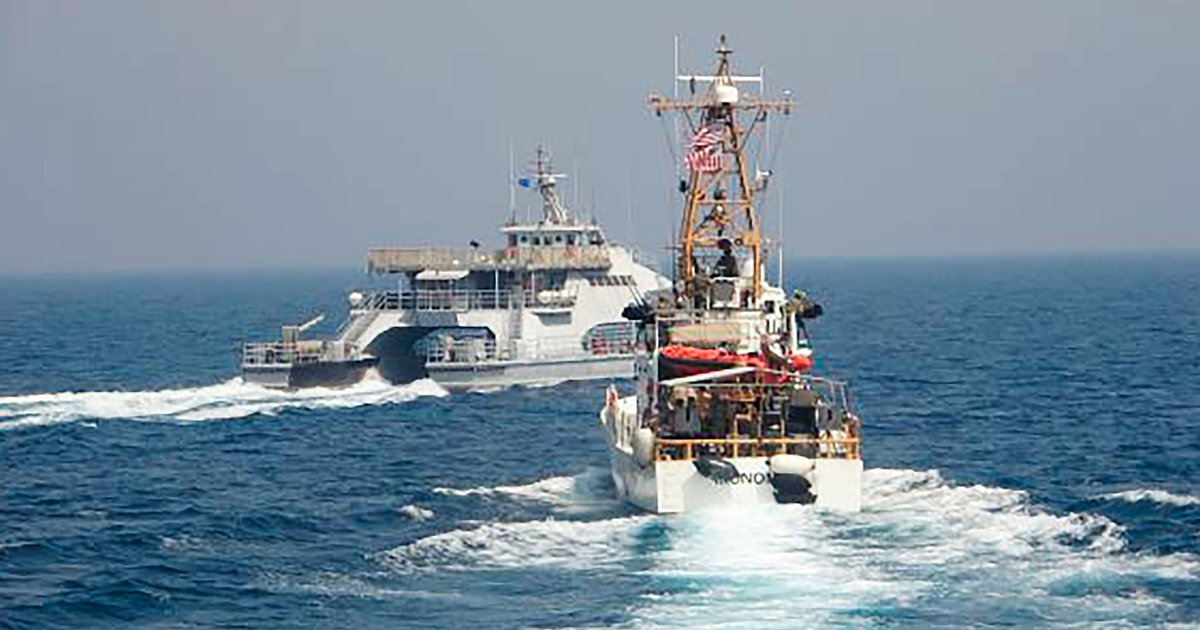
Tensions are escalating in the Arabian Gulf, where the Iranian regime faces increasing pressure from Arab nations. In a complex regional landscape where diplomacy intertwines with military posturing, critical questions arise about the future of relations between Iran and its neighbors. Will these pressures result in a historic agreement that redraws the map of the region, or is military escalation the only remaining option?
All eyes are on Tehran, where fears are growing that Iran may emerge from this round of negotiations and revert to its policies of threats and expansion. While Gulf countries strive to secure their borders and establish clear red lines, the question remains: what guarantees can ensure that Iran does not return to its aggressive behavior?
Details of the Situation
The Arabian Gulf is witnessing a notable escalation in tensions, with increasing warnings from Arab nations regarding Iran's destabilizing activities. These warnings come at a sensitive time, as calls grow for an end to Iranian interventions in the internal affairs of neighboring countries. Many Arab leaders have indicated that any agreement must include real guarantees to prevent the recurrence of such policies.
In this context, meetings among Arab foreign ministers are ongoing, addressing various issues related to regional security. Some officials have confirmed that military options remain on the table if Iran does not respond to Arab demands. Meanwhile, major powers are seeking to play a mediating role in this crisis, further complicating the situation.
Background & Context
Historically, relations between Iran and Arab nations have been tense, especially following the Islamic Revolution in 1979. Since then, Iran has pursued an expansionist policy in the region, leading to escalating conflicts in several countries such as Iraq, Syria, and Yemen. This expansion has raised increasing concerns among Arab nations, which view these policies as threats to their national security.
Despite attempts at dialogue and negotiation, many unresolved issues continue to affect relations between the two sides. Among the most prominent of these issues are Iran's nuclear program and its support for armed groups in the region, complicating peace efforts.
Impact & Consequences
If a satisfactory agreement is not reached, this could lead to military escalation in the region, with dire consequences for both regional and international security. Estimates suggest that any new conflict could destabilize Gulf countries and impact oil prices and global markets.
Moreover, escalation could exacerbate humanitarian crises in affected countries, such as Yemen and Syria, which are already suffering from severe internal crises. Thus, any military escalation could worsen humanitarian conditions and increase civilian suffering.
Regional Significance
Arab nations are directly affected by any potential escalation between Iran and Gulf countries. Security and stability in the Gulf are considered essential elements of Arab national security. In the event of war, neighboring countries could be significantly impacted, leading to an influx of refugees and increased internal tensions.
It is crucial for Arab nations to enhance cooperation among themselves to face common challenges and avoid slipping into new conflicts. Continuous diplomatic efforts must also be made to reach peaceful solutions that promote stability in the region.
In conclusion, the fate of Iranian-Arab relations hangs on the edge of a precipice. Will diplomacy succeed in achieving peace, or is the region heading towards a new escalation that could forever alter the balance of power?