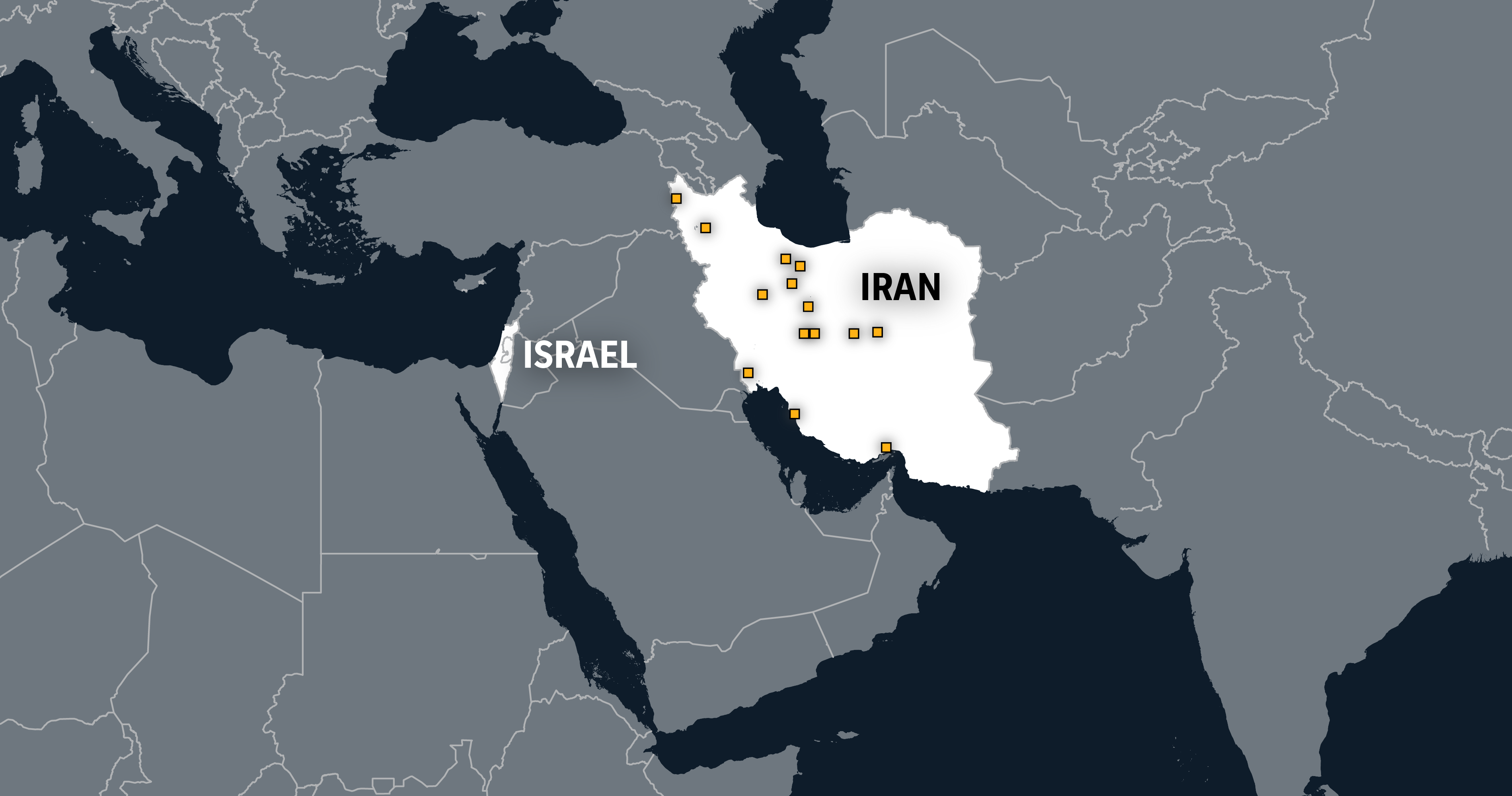
The US-Israeli war is entering a new phase of escalation, as Iranian missiles have disrupted the outlined scenarios for regime change. This development reflects a significant shift in military and political strategies, raising questions about the future of the entire region.
Initially, it was believed that military pressures would lead to a revolution within Iran, facilitating the overthrow of the Iranian regime. However, recent events have shown that things are not going as expected, as the pressures have failed to motivate the Iranian people to revolt against their government.
Details of the Event
Events are unfolding in the regional arena, where reports indicate that the military pressures exerted by Israel and the United States have not yielded the desired results. On the contrary, it seems that Iran has managed to strengthen its position, making previous scenarios appear unattainable.
In this context, the importance of shifts in military strategies emerges, as pressures have transitioned from focusing on concentrated military strikes to expanding the scope of pressures, complicating the situation in the region further.
Background & Context
Historically, relations between Iran and the United States have seen continuous escalation, especially following Washington's withdrawal from the nuclear agreement in 2018. This withdrawal led to the imposition of stringent economic sanctions on Iran, affecting its economy and leading to a deterioration of internal conditions.
On the other hand, Israel seeks to prevent Iran from developing its nuclear capabilities, which has prompted it to carry out military operations against Iranian nuclear facilities. However, these operations have not produced the expected results, but rather complicated regional relations.
Impact & Consequences
The repercussions of this escalation extend beyond Iranian borders, potentially affecting regional stability in general. With increasing military pressures, Iran may resort to taking more aggressive steps, raising the likelihood of direct military confrontations.
These developments may also impact relations between Arab states and Iran, as some countries may find themselves compelled to reassess their security and military strategies in the face of increasing threats.
Regional Significance
The current situation serves as a wake-up call for Arab states, requiring them to take proactive measures to ensure their security and stability. The escalation could lead to increased tensions in the region, negatively impacting economic and social conditions.
Under these circumstances, Arab states must enhance their security and defense cooperation and work towards finding diplomatic solutions to avoid military escalation.
In conclusion, recent events highlight the importance of understanding the complex regional dynamics, as the current situation demands a swift and effective response from all parties involved to ensure the stability of the region.