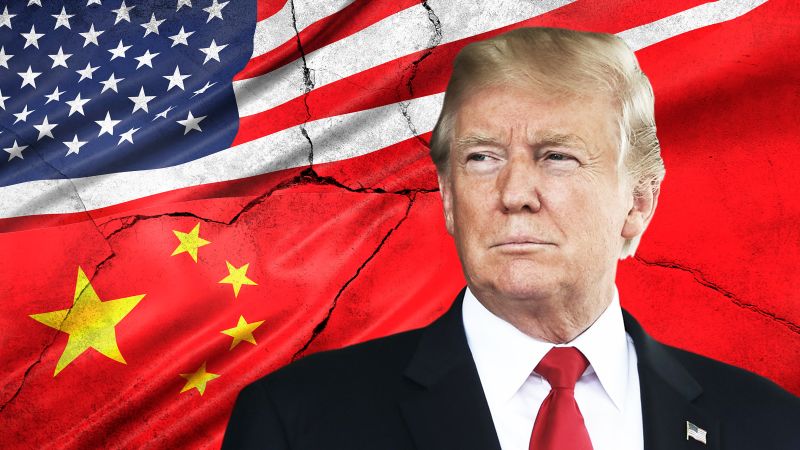
As the May summit draws near, tensions between the United States and China are intensifying, with the trade war expected to dominate discussions. This conflict, which began in 2018, has led to reciprocal tariffs between the world's two largest economies, significantly impacting global markets.
In recent years, the United States has taken escalating measures against China, imposing tariffs on a wide range of Chinese goods. In response, China has retaliated with tariffs on American products, further heightening tensions between the two nations. With the summit approaching, concerns are growing that these tensions may lead to further escalation.
Details of the Upcoming Summit
All eyes are now on the anticipated summit in May, where leaders from both countries are expected to convene to discuss economic and political issues. Investors are keenly watching for any signals that might indicate a de-escalation of tensions or, conversely, an intensification. Meanwhile, companies in both nations are striving to understand how this trade war will affect their future operations.
Reports indicate that diplomatic efforts are underway to ease tensions, but significant obstacles remain. China is keen on protecting its economic interests, while the United States seeks a better trade balance. This dynamic complicates the possibility of reaching a comprehensive agreement.
Background & Context
The trade war between the United States and China commenced in 2018 when the Trump administration imposed tariffs on Chinese goods. This move aimed to reduce the American trade deficit and stimulate the domestic economy. However, these actions provoked strong reactions from China, which in turn imposed tariffs on American goods.
Over the years, the relationship between the two countries has experienced fluctuations, with some temporary agreements reached but not sufficient to resolve core issues. These issues include intellectual property rights, the Chinese government's support for local industries, and unfair trade practices.
Impact & Consequences
The trade war directly affects the global economy, leading to increased prices and reduced investments. Global companies face significant challenges in their supply chains, impacting productivity and profitability. Financial markets are also heavily influenced, with stock prices fluctuating based on news related to trade tensions.
Moreover, this trade war may lead to shifts in economic alliances, as other nations seek to capitalize on opportunities that may arise from these tensions. Such dynamics could fundamentally reshape global trade.
Regional Significance for Arab Countries
For Arab nations, the trade war between the United States and China may open new opportunities. Some countries could benefit from the redistribution of supply chains, potentially becoming alternative destinations for many companies. Additionally, increasing tensions may lead to heightened demand for oil and gas from Arab countries.
At the same time, Arab nations must exercise caution, as any escalation in the trade war could affect commodity prices and increase economic instability. Therefore, it is crucial for Arab countries to closely monitor these developments and be prepared to adapt to any changes.