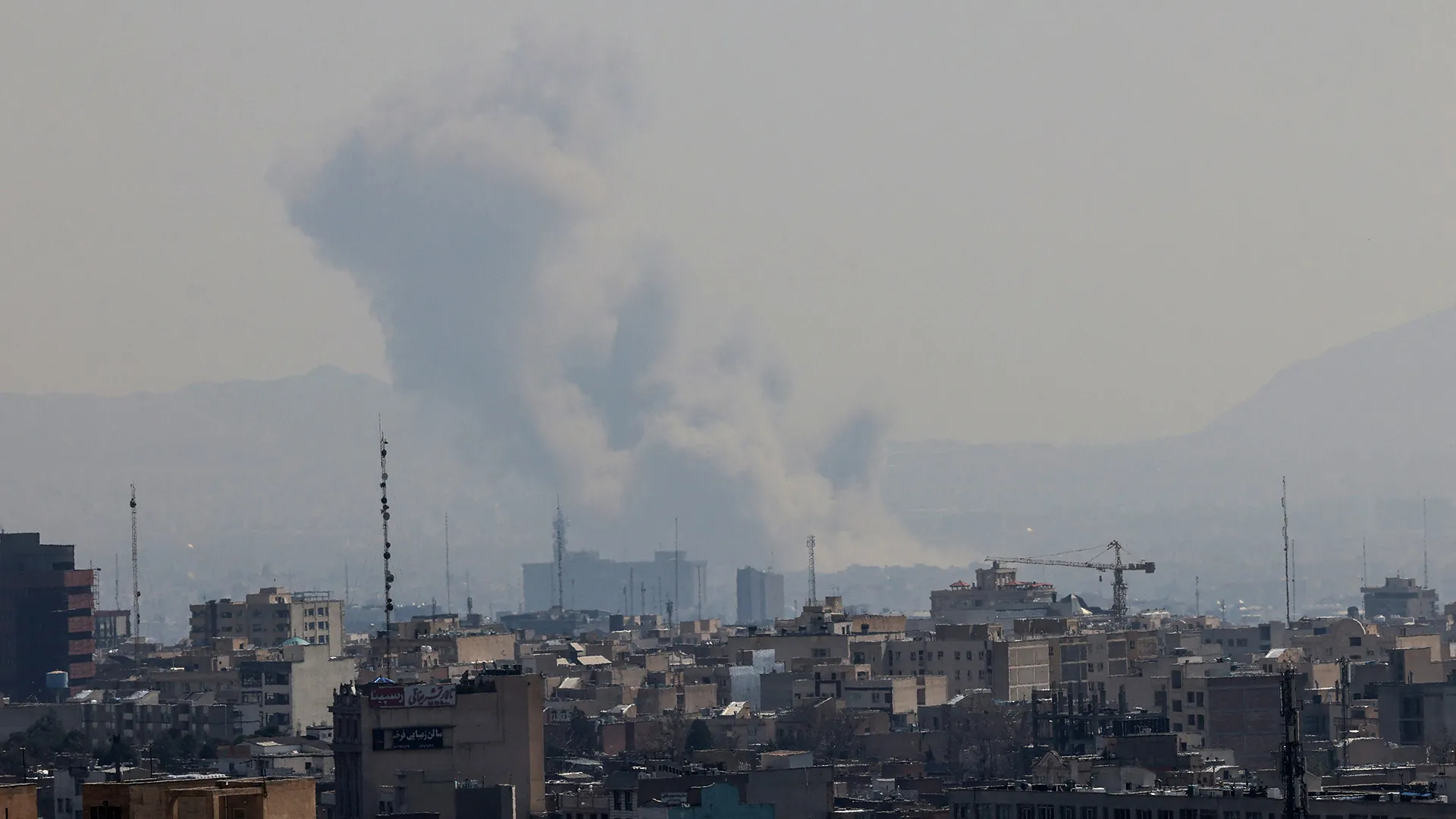
U.S.-Iran relations are witnessing an increasing escalation after U.S. President Donald Trump announced the extension of the deadline for targeting Iranian energy facilities. This decision comes at a sensitive time, as both countries exchange threats, signaling a potential new phase of conflict in the region that could have wide-ranging implications at both regional and international levels.
In a surprising development, Trump clarified that the U.S. administration had engaged in discussions with the Iranian side over the past two days, describing these talks as fruitful. Trump confirmed that he decided to postpone all strikes against Iranian energy infrastructure for a period of five days, anticipating continued intense dialogue with Tehran throughout this week.
Details of the Event
Trump's recent statements reflect the escalating tension between the two countries, as many observers believe that Tehran has no choice but to continue its escalation under ongoing pressures. According to Iranian studies and Middle East expert Ali Saleh, targeting energy facilities is considered a qualitative and dangerous shift that affects hundreds of thousands of civilians, and in many cases, it could be seen as a declaration of war.
Saleh emphasized that the implications of such actions could lead to significant humanitarian crises, as energy facilities are critical for the daily lives of ordinary Iranians. The international community is closely monitoring these developments, as they could lead to broader conflicts involving other regional players.
Background & Context
The history of U.S.-Iran relations has been fraught with tension since the 1979 Iranian Revolution, which led to the overthrow of the U.S.-backed Shah. The subsequent hostage crisis and the imposition of sanctions have created a long-standing adversarial relationship. The recent nuclear deal negotiations and the U.S. withdrawal from the agreement in 2018 have further complicated the situation.
In recent months, Iran has been accused of increasing its nuclear activities, which has raised alarms in Washington and among its allies. The U.S. has responded with a series of sanctions aimed at crippling Iran's economy, particularly its oil exports, which are vital for its revenue.
Impact & Consequences
The potential targeting of Iranian energy facilities could have dire consequences not only for Iran but also for global oil markets. Any disruption in Iran's oil production could lead to spikes in oil prices, affecting economies worldwide. Furthermore, such military actions could provoke retaliatory measures from Iran, escalating tensions further.
The humanitarian impact of targeting energy infrastructure is also a significant concern. Millions of civilians rely on these facilities for their energy needs, and any military action could lead to widespread suffering and instability within Iran.
Regional Significance
The situation has broader implications for the Middle East, where U.S. allies such as Saudi Arabia and Israel are closely watching developments. An escalation in conflict could draw in these countries, leading to a larger regional confrontation.
Moreover, the response from other global powers, including Russia and China, could influence the dynamics of the situation. Both countries have historically supported Iran and may react strongly to any U.S. military actions.
In conclusion, the ongoing escalation in U.S.-Iran relations poses significant risks not only for the two nations but also for regional stability and global economic security. The coming days will be crucial in determining whether diplomacy can prevail over military action.