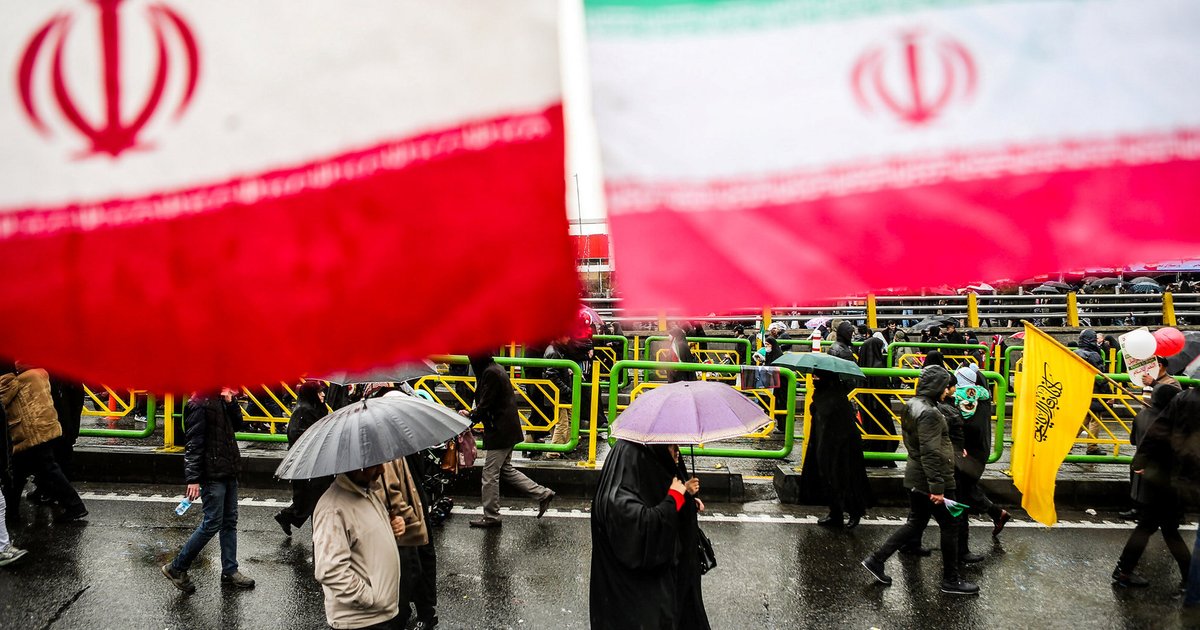
Tensions between the United States and Iran are escalating, causing significant concern in global markets. Democratic strategist Adam Hodge pointed out the conflicting messages from the White House and the absence of Congress during the crisis, which heightens its economic implications. With rising oil prices, there seems to be uncertainty about how these situations will evolve and their impact on global stability.
In an interview with the "Bloomberg Open Interest" program, Hodge confirmed that the current tensions could lead to serious economic repercussions, as the lack of a clear stance from the U.S. administration may contribute to increased uncertainty in the markets. He also noted that oil prices have seen a significant rise, reflecting growing investor concerns about supply stability.
Details of the Event
The intensity of tensions between the United States and Iran is increasing amid escalating hostile statements from both sides. Recently, there has been a back-and-forth exchange of accusations between Washington and Tehran, which has heightened anxiety in financial markets. Additionally, the absence of Congress from taking any tangible actions during this crisis reflects a state of political chaos that could negatively impact the U.S. economy.
All eyes are now on how the U.S. administration will respond to these tensions, as any escalation could lead to further increases in oil prices, affecting the global economy. Rising oil prices are considered one of the key indicators reflecting instability in the markets.
Background & Context
Historically, U.S.-Iran relations have been tense since the Islamic Revolution in 1979. These relations have witnessed numerous crises, including economic sanctions and proxy wars in the region. In recent years, these tensions have notably escalated, especially after the U.S. withdrawal from the Iranian nuclear deal in 2018.
Iran is one of the largest oil producers in the world, and any tension in relations with the United States can significantly impact global energy markets. There are also concerns that these tensions could lead to military conflicts in the region, further increasing uncertainty in the markets.
Impact & Consequences
Analyses indicate that the escalation of tensions between the United States and Iran could lead to serious economic repercussions, not only for the two countries but for the global economy as a whole. Rising oil prices could affect transportation and production costs, potentially leading to increased inflation in many countries.
Moreover, political uncertainty may lead to a decline in foreign investments in the region, negatively impacting economic growth. At the same time, some countries may benefit from these situations, as rising oil prices could boost their economies.
Regional Significance
The Arab countries neighboring Iran and the United States are among the most affected by the current tensions. Rising oil prices may have a positive impact on some Gulf economies, but at the same time, military escalation could destabilize the region.
These tensions could also intensify conflicts in areas such as Iraq and Syria, where both American and Iranian forces are present. Therefore, the current situation requires careful monitoring by Arab countries to avoid any negative repercussions that could affect their security and stability.