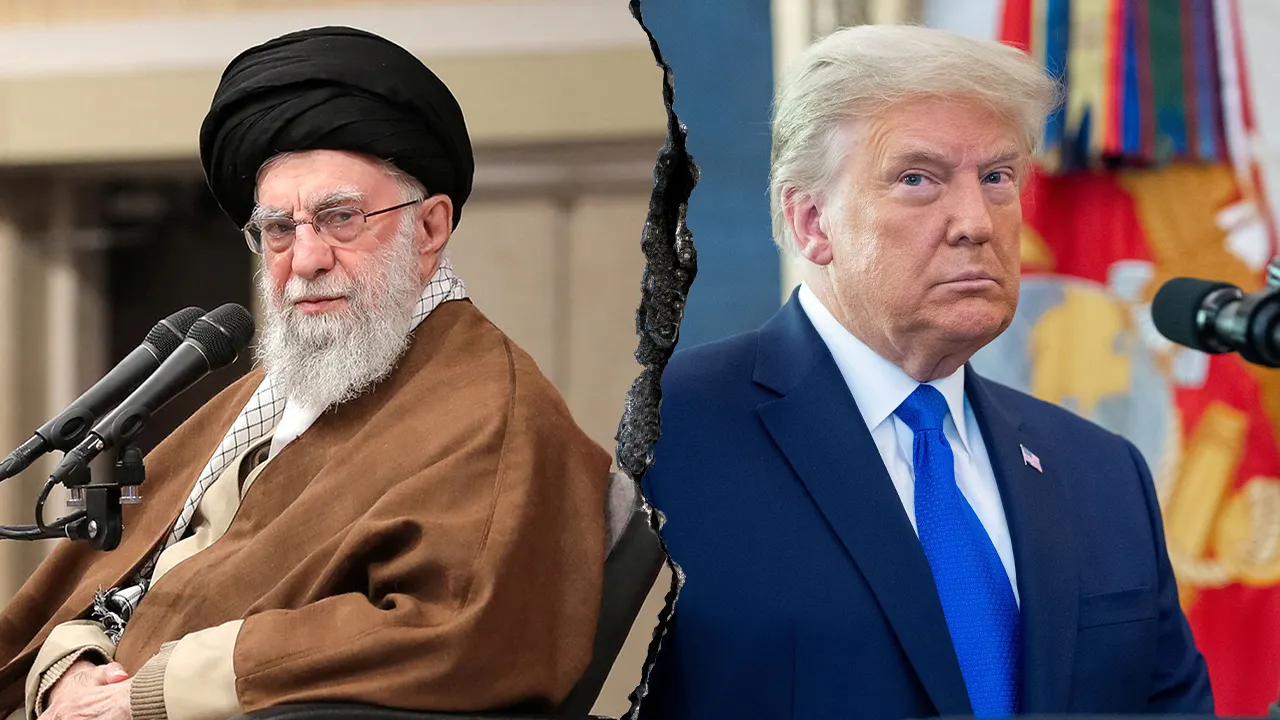
Tensions between the United States and Iran are escalating as President Donald Trump issues new threats, indicating a timeline related to the Strait of Hormuz. These developments could significantly impact regional security.
In a related context, Trump emphasized that any Iranian threat to American interests or its allies would be met with a strong response. These statements come at a sensitive time, as the region witnesses an escalation in military activities from both sides, raising fears of an open conflict.
Details of the Incident
Trump spoke at a press conference, where he indicated that the United States would not hesitate to take stringent actions against Iran if it continued its threats. He also added that the Strait of Hormuz, a vital transit point for oil, would be under close surveillance by American forces.
In response, Iran reacted to these threats with statements from military officials, asserting that the country is prepared to defend its interests in the region. They pointed out that any American movements could lead to severe consequences.
Background & Context
The roots of the current tensions trace back to the United States' withdrawal from the Iranian nuclear deal in 2018, which led to the re-imposition of harsh economic sanctions on Iran. Since then, tensions have escalated significantly, with the region experiencing numerous military incidents, including attacks on oil tankers.
The Strait of Hormuz is considered a strategic point, through which approximately 20% of the world's total oil passes. Any escalation in this strait could affect global oil prices and increase instability in the markets.
Impact & Consequences
Mutual threats could lead to military escalation, threatening regional security and intensifying tensions between major powers. Should any escalation occur, global trade flows could be significantly affected, resulting in rising prices for oil and essential commodities.
Additionally, these events could impact relations between the United States and its allies in the region, as some countries may need to reassess their security and defense strategies under these changing circumstances.
Regional Significance
Arab countries neighboring Iran, such as Iraq, Kuwait, and the UAE, are on high alert due to these tensions. Any military escalation could have direct repercussions on security and stability in these nations.
Moreover, these events could lead to increased sectarian tensions in the region, as some groups might exploit these circumstances to enhance their influence. Ultimately, there remains hope that the international community can find a peaceful solution to this crisis before matters worsen.