US President Donald Trump stated that ending the war with Iran does not depend on resolving the issue of the Hormuz Strait, despite emphasizing its importance for navigation. He pointed out that countries most reliant on oil from the region should bear a greater burden in this mission.
This stance comes at a time when the Pentagon retains multiple options in the strait, as the United States and Israel have expanded their strikes on Iranian military infrastructure. In this context, US Defense Secretary Pete Hegseth warned that the United States has options to act in Hormuz, but the final decision rests with Trump, who has not ruled out the use of ground forces.
Details of the Event
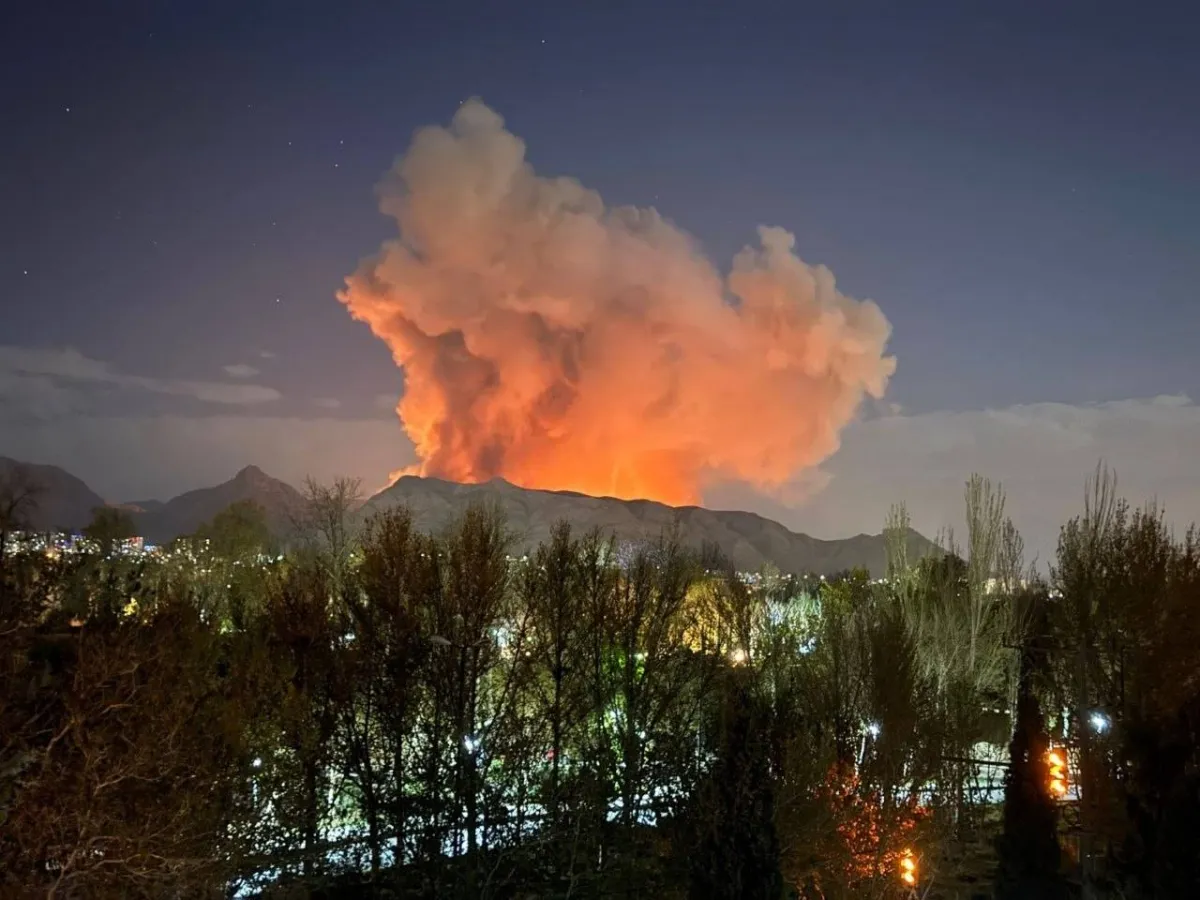
An American official reported that the United States targeted a large munitions depot in Isfahan with bunker-busting bombs, while Iranian media reported that an airstrike disrupted a desalination plant on Qeshm Island. At the same time, the Israeli army continued to carry out strikes against weapons production sites in Iran.
In response to these pressures, Tehran has intensified its threats, with the Revolutionary Guard vowing to target American companies, and Foreign Minister Abbas Araghchi warning against targeting Iranian infrastructure. Iranian President Masoud Bezhakian confirmed that Iran wishes to end the war but demands guarantees to prevent the recurrence of attacks.
Background & Context
These developments come at a time when the Middle East is witnessing escalating military tensions, as Israel seeks to build new alliances to confront what it describes as the Iranian threat. Israeli Prime Minister Benjamin Netanyahu confirmed that Israel will continue its military campaign against Iran, indicating that the war with Tehran has passed the halfway point.
Conversely, Israeli opposition leader Yair Lapid criticized Netanyahu's statements, pointing out that threats remain despite the war, as Hezbollah continues to fire from Lebanon, and Iran launches missiles at Israel.
Impact & Consequences
These developments indicate a military escalation that could exacerbate conditions in the region, with increasing fears of an outbreak of a comprehensive war. Additionally, the rising military pressures on Iran could provoke military responses from Tehran, complicating the security situation in the region.
The military escalation may also affect global oil prices, as the Hormuz Strait is one of the most important maritime corridors for oil transport. This situation reflects the increasing tensions between major powers in the region, which could lead to far-reaching economic and political repercussions.
Regional Significance
The current developments in the Iranian-American-Israeli conflict have significant implications for security and stability in the Arab region. Any military escalation could have negative repercussions for neighboring countries, particularly those reliant on oil imports.
Moreover, the rising tensions may lead to increased military activities by armed factions in the region, threatening regional security and complicating situations in countries like Iraq and Syria.
In conclusion, the situation in the region remains influenced by military and political developments, necessitating close monitoring by the international community to ensure that conditions do not escalate into a comprehensive war.