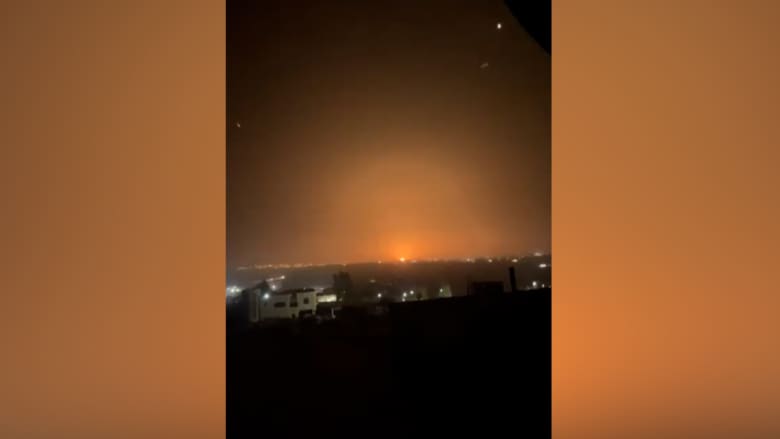
The escalation in the war waged by the United States and Israel against Iran continues, as the crisis enters its twenty-third day, marked by mutual threats from Tel Aviv and Tehran. The Strait of Hormuz plays a central role in reshaping Trump's policies in the region.
This escalation coincides with confirmations from both sides about their readiness to go far in confrontation. Reports suggest that the continuation of military operations might lead to dire consequences, particularly amid the exchanged threats between the two regional powers.
Details of the Situation
In recent days, military operations in the region have significantly escalated. Observers have detected an increase in American military activity in the Gulf, with Western media confirming that the United States has reinforced its presence in the Strait of Hormuz, signaling a greater escalation in the conflict. In response, Iranian officials have declared their readiness to address any threats from Israeli and American forces.
Information indicates that the reciprocal attacks between Iran and Israel may be on the rise, reflecting the instability plaguing the region at present. The Strait of Hormuz, which links the Arabian Gulf to the Indian Ocean, is one of the world's most important waterways, and any closure of it could have massive impacts on the global economy.
Background & Context
The ongoing war between the United States and Iran reflects a long-standing tension rooted in decades of confrontations. The clashes began following the United States' withdrawal from the nuclear agreement with Iran in 2018, leading to escalations and unilateral decisions from both parties. Current circumstances suggest an unprecedented rise in tension in the Gulf region, highlighting the failure of sustainable diplomatic solutions.
Both the United States and Iran aim to renew their influence in the Middle East, with Iran representing a key power within the resistance axis, while the United States is a crucial ally of Israel, which seeks to ensure its national security from threats posed by Tehran. This dynamic transforms the war into two opposing fronts, with each side striving to achieve strategic gains at the expense of the other.
Impact & Consequences
The potential repercussions of this escalation could be far-reaching, as some experts predict that it might lead to an uncontrollable crisis in the region. The war threats could result in rising oil prices, adversely affecting the global economy. Additionally, heightened military confrontation may warn of new risks of terrorism flare-ups and the resurgence of armed conflicts in other parts of the Middle East.
The potential escalation could also impact U.S. allies in the region, as they grapple with the difficulty of taking a clear stance between supporting Washington or opposing Iran. Such tensions could foster the emergence of new alliances in the region directed against both Iran and the United States.
Regional Significance
The conflict between Iran and the United States has significant implications for Arab countries, as these nations play a vital role in the surrounding conflict. The escalation may lead to instability, affecting regional security and exacerbating current crises in countries like Iraq, Syria, and Yemen.
Moreover, the economic repercussions of the conflict could impact citizens' lives in Arab nations, especially with the potential rise in fuel and basic commodity prices. These conditions may necessitate greater cooperation among Arab states to confront the increasing security and economic challenges.
In conclusion, focus remains on the unfolding events in the coming days as observers watch how this crisis will affect the balance of power in the Middle East.