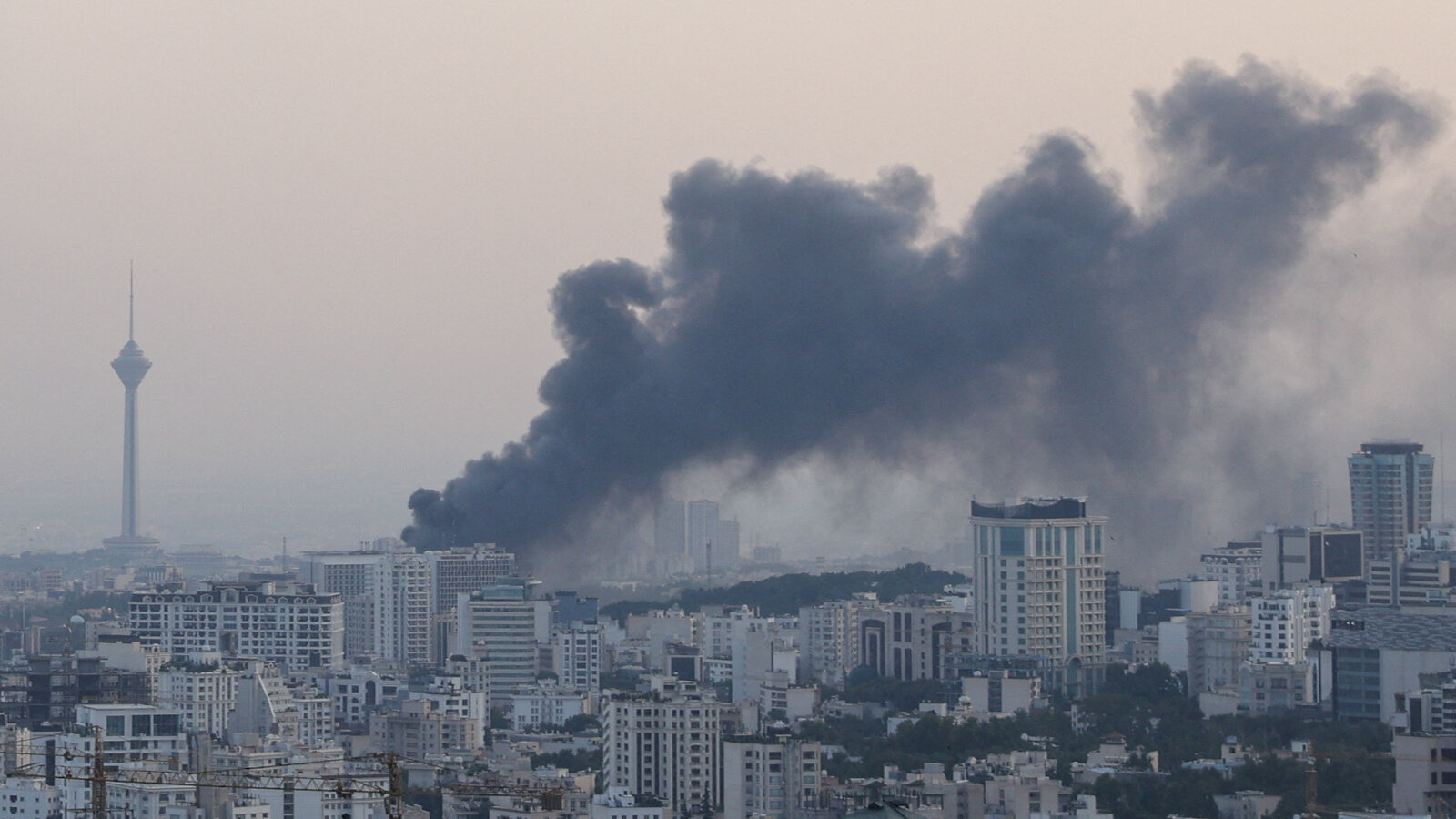
As tensions rise in the Middle East with the escalation of the US-Israeli war on Iran, China finds itself in a delicate position that necessitates a reevaluation of its global strategy. Researcher Zongyuan Zui Liu from the Global Policy Institute at Columbia University points out that Beijing views this situation as a historic opportunity, as the United States weakens and loses its ability to control the international system.
However, this weakness comes with new risks, as Washington becomes increasingly volatile and unpredictable, complicating the situation for China. In her article in Foreign Affairs, Zui Liu explains that since the return of President Donald Trump to the White House in 2025, the United States has become less confident in its global objectives, threatening the stability that Beijing relies upon.
Details of the Event
The researcher considers the war in Iran a real test for China's strategy, which prefers caution and avoids direct military intervention. Instead, Beijing focuses on diplomacy and calls for ceasefires to protect the global system that its export-driven economy depends on.
Unlike the Russian war in Ukraine, the conflict in Iran threatens China's core strategic interests, not only due to its dependence on Middle Eastern oil but also because of Washington's increasing influence on the global system. While China seeks to enhance its strategic independence, it does not wish to sever ties with the international system; rather, it aims to exploit economic power and political influence in indirect ways.
Context and Background
Since opening up to the world in 1979, China has benefited from the international system established by the United States, relying on its fundamental terms such as open markets and multilateral institutions. However, current geopolitical shifts, including US military maneuvers in Venezuela and Iran, indicate a collapse of this system, placing Beijing in a difficult position.
China faces new challenges as US power declines, which may tempt Beijing to act quickly to bolster its position. However, if this decline is accompanied by economic coercion and a breakdown of trade rules, China may find itself compelled to defend its interests.
Implications and Effects
Zui Liu clarifies that Chinese leadership recognizes that confronting the United States in a state of weakness could be more dangerous than facing a strong and stable Washington. Therefore, Beijing adopts a cautious policy, focusing on stability and avoiding major risks that could arise from increasing American chaos.
The war on Iran reflects this dynamic, as many in Washington see American military adventurism as a strategic opportunity for China. However, Chinese leadership does not view the crisis as a zero-sum game; it understands that geopolitical and economic repercussions will affect both sides.
Impact on the Arab Region
The Arab region is significantly affected by these dynamics, as the conflict in Iran could exacerbate regional crises and heighten tensions among major powers. Stability in the Middle East heavily depends on how major powers manage these crises.
In conclusion, the current situation represents a real test for China's strategy in dealing with geopolitical changes. While Beijing achieves what it wanted from US weakness, it faces a more volatile and chaotic world, necessitating carefully calculated steps to safeguard its interests in the international system.