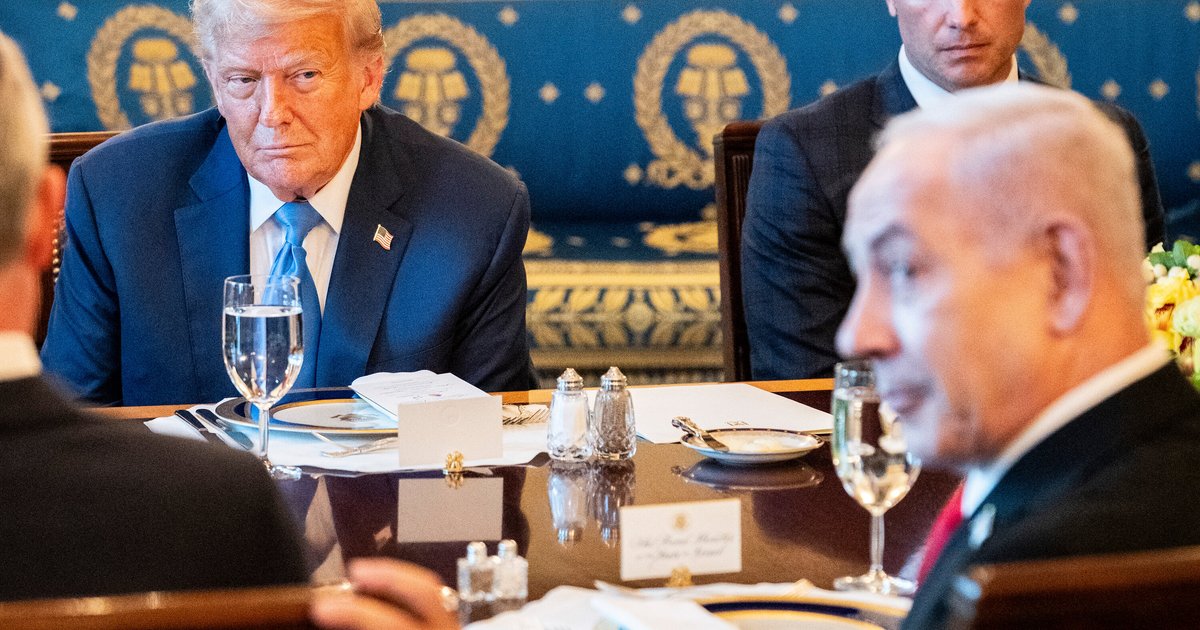
The US-Israeli war against Iran has entered its first month, with President Donald Trump seeking to initiate indirect negotiations through intermediaries. Meanwhile, Israeli Prime Minister Benjamin Netanyahu insists on targeting Iranian facilities and committing crimes in Gaza and Lebanon.
Tensions in the region are escalating as Israeli bombardments continue on Iranian sites, reflecting an intensification of the conflict that is beginning to spiral out of control. At the same time, Tehran continues to target its neighbors, further complicating the security situation in the Middle East.
Details of the Ongoing Conflict
All eyes are on the negotiations led by Trump, which aim to reach an agreement that alleviates the conflict's intensity. However, Netanyahu's insistence on continuing military operations reflects his unwillingness to back down. Reports indicate that Israel has conducted several airstrikes on Iranian sites, leading to heightened tensions in the region.
On the other hand, Iran continues to bolster its military capabilities, with reports indicating that it has developed new weapons that could threaten US and Israeli interests in the region. This military escalation raises fears of an outbreak of a comprehensive war that could impact regional stability.
Historical Context and Background
Historically, relations between the United States and Iran have been tense since the Islamic Revolution in 1979. Recent years have seen an escalation in tensions due to Iran's nuclear program and Tehran's support for militias in the region. In response, Israel seeks to prevent Iran from acquiring nuclear weapons, keeping it in a constant state of alert.
In this context, the current war comes as part of a broader strategy aimed at countering Iranian influence in the Middle East. This strategy has led to new alliances between some Arab countries and Israel, reflecting radical changes in regional politics.
Impact and Consequences of the War
The repercussions of this war extend beyond Iranian borders, potentially affecting stability in neighboring countries such as Iraq, Syria, and Lebanon. Additionally, military escalation could lead to new waves of displacement and migration, increasing the humanitarian burdens in the region.
Moreover, the continuation of Israeli bombardments may provoke violent reactions from armed factions in Gaza and Lebanon, potentially leading to greater escalation in the conflict. This, in turn, could open the door for new international interventions, complicating the political landscape further.
Significance for the Arab Region
This war serves as a real test for Arab policies towards Iran, as Arab countries must take clear stances amid rising tensions. Some countries may find themselves compelled to support Israel against Iran, while others may prefer to adopt a neutral stance or even support Tehran.
Ultimately, this war is not merely a conflict between two nations; it is a complex struggle involving many regional and international players, making it difficult to predict its future trajectories.