Tensions in the Strait of Hormuz are escalating as U.S. President Donald Trump confirmed that his forces will continue to strike Iran with great intensity in the coming weeks, while Tehran continues its threats to close the strait to enemies. These developments come as the deadline set by Trump for reopening the strait approaches, heightening tensions in the region.
In his recent speech, Trump announced that U.S. military objectives would soon be achieved, indicating that military operations against Iran would continue over the next two to three weeks. In response, Tehran reiterated its threat to close the strait to any forces it deems hostile, warning of an expansion of its strikes.
Details of the Incident
The military escalation coincided with a new round of airstrikes inside Iran, where U.S. military strikes targeted facilities and sites in several Iranian cities, including Mashhad, Isfahan, and Tehran. The Israeli army also announced its targeting of sites belonging to the Iranian Revolutionary Guard, reflecting the rise in military operations in the region.
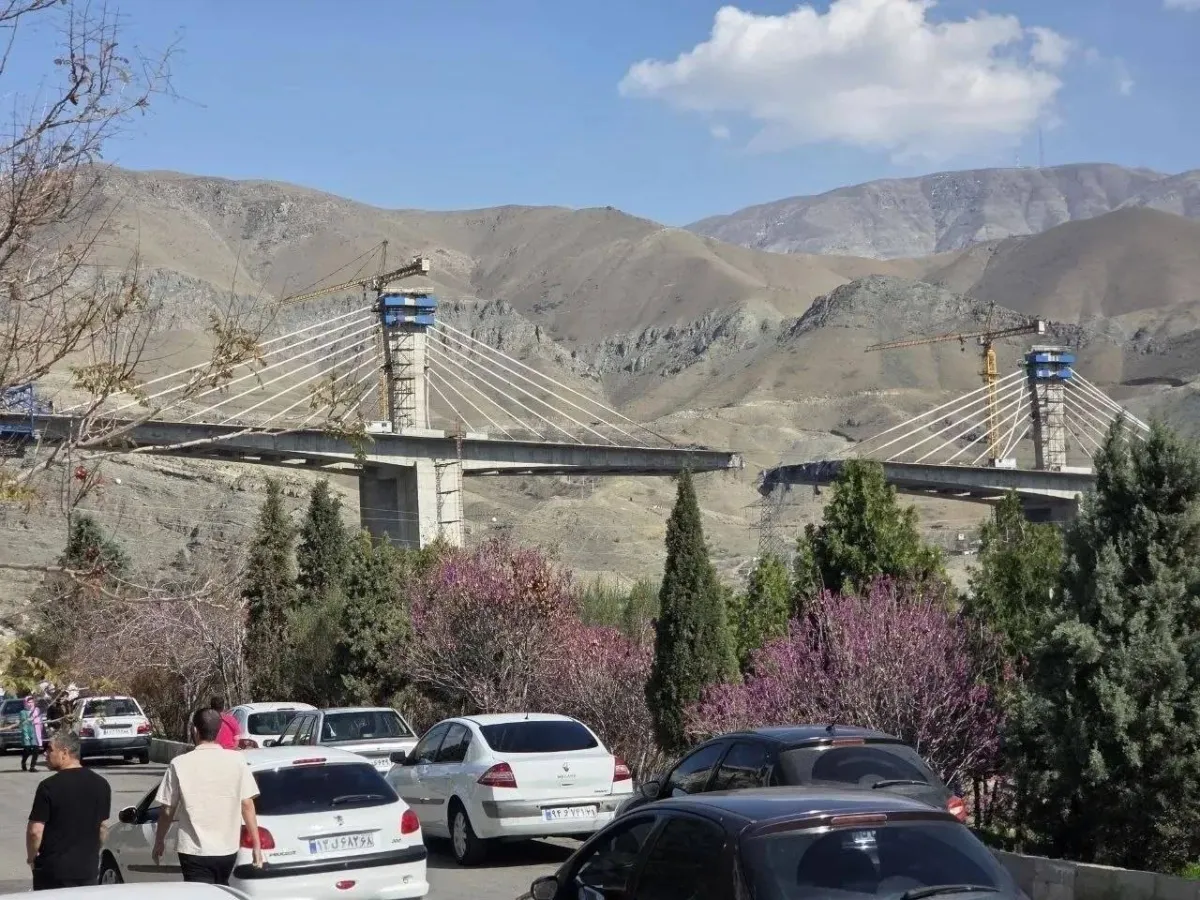
At the same time, the Iranian Revolutionary Guard continued to issue statements regarding new waves of missile and drone attacks on targets in Israel and other countries, claiming they are linked to the United States. Trump praised the strikes that targeted the B1 bridge connecting Tehran and Karaj, asserting that the bridge would not be used again.
Background & Context
The roots of the current tensions trace back to years of conflict between the United States and Iran, which escalated after Washington withdrew from the Iranian nuclear agreement in 2018. Since then, the United States has imposed strict economic sanctions on Iran, exacerbating the country's economic and political situation.
The Strait of Hormuz is considered one of the most important maritime passages in the world, through which about 20% of the world's total oil passes. Therefore, any military escalation in this area could have negative effects on global oil markets and increase tensions in the region.
Impact & Consequences
Estimates suggest that the escalation of military operations could worsen the humanitarian situation in Iran, with reports indicating that over 1,900 people have been killed since the war began. Additionally, military pressures on Iran could lead to an increase in missile attacks on targets in the region, threatening the stability of neighboring countries.
Simultaneously, these developments may affect international relations, as some countries like Pakistan and Russia seek to play a mediating role in the conflict. There are also calls from the international community to halt hostilities and ensure the safety of navigation in the Strait of Hormuz.
Regional Significance
Arab countries are directly affected by the escalating tensions in the Strait of Hormuz, as many of these nations rely on oil passing through the strait. Any military escalation could lead to an increase in oil prices, impacting the economies of these countries.
In this context, Arab nations continue to seek to secure their economic and political interests, with some countries aiming to strengthen cooperation with major powers like Russia and China to ensure regional stability.
The situation in the Strait of Hormuz remains a focal point for the world, with growing concerns about the implications of military escalation on regional and international security. As the deadline set by Trump approaches, the question remains about how events will unfold in the coming days.