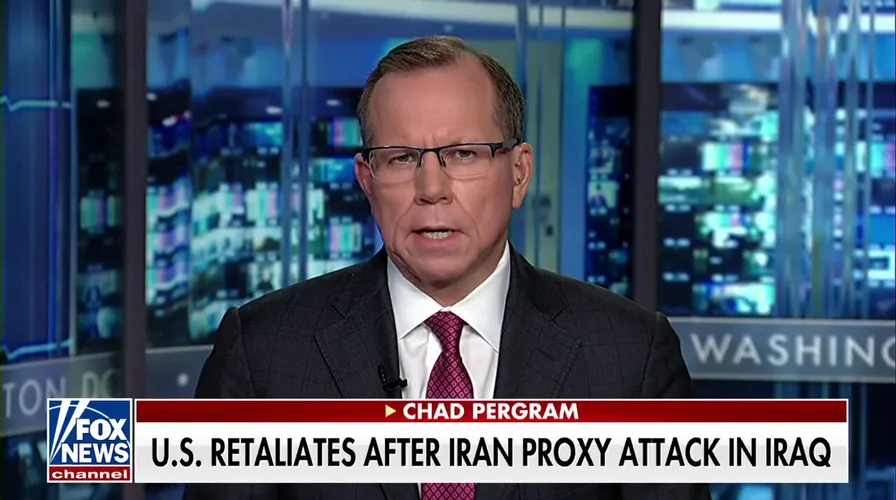
US and Israeli aircraft continue to target security headquarters in Iraq, with the 14th Brigade of the Popular Mobilization Forces in Nineveh suffering three airstrikes, provoking angry reactions from Iraqi officials. In light of these tense conditions, Iraq is relying on its international relations to exert pressure for containing the crisis and halting military escalation.
A statement issued by the Popular Mobilization Forces' media described the airstrikes as "treacherous aggression," noting that these attacks come at a sensitive time when the region is witnessing increasing tensions. Many Iraqi officials condemned these attacks, considering them a violation of Iraqi sovereignty and complicating the security situation in the country.
Details of the Incident
Airstrikes on the headquarters of the Popular Mobilization Forces are ongoing, reflecting a notable escalation in military operations targeting these factions. Reports indicate that the recent airstrikes on the 14th Brigade's headquarters in Nineveh were not the first, as several other sites belonging to the Popular Mobilization Forces have faced similar operations recently. These attacks are part of the ongoing conflict between armed factions and US forces in Iraq, which has intensified following the withdrawal of US troops from the country.
At the same time, the Iraqi government is striving to contain this crisis by strengthening its relations with the international community. Iraqi officials have indicated that they are working to communicate with their allies in the region and the world to pressure the United States to stop these attacks. They also emphasized the importance of diplomatic dialogue as a means to resolve disputes and ease military tensions.
Context and Background
The roots of the conflict in Iraq date back to long years of political and security tensions, with the country experiencing multiple conflicts since the US invasion in 2003. With the emergence of ISIS, the Popular Mobilization Forces emerged as a key force in combating terrorism, making them play an important role in the Iraqi security landscape.
However, these factions face significant challenges, including local and international criticism regarding their role in Iraqi politics. The escalation of US attacks against them reflects the increasing tensions between Iraq and the United States, complicating the security situation in the country.
Consequences and Impact
These attacks could lead to further escalation in the conflict between armed factions and US forces, increasing instability in Iraq. Moreover, the continuation of these military operations may negatively affect the Iraqi government's efforts to enhance security and stability in the country.
Furthermore, military escalation could impact Iraq's relations with its neighbors, particularly Iran, which supports many armed factions in Iraq. This could lead to heightened regional tensions and make achieving peace in the region more difficult.
Impact on the Arab Region
The events in Iraq are part of a larger picture of conflicts in the region, where regional and international interests intertwine in a complex manner. The continuation of military attacks may exacerbate conditions in neighboring countries such as Syria and Lebanon, which also suffer from internal conflicts and external interventions.
Ultimately, hope remains pinned on diplomacy as a means to contain these crises. Strengthening dialogue among the concerned parties may contribute to easing tensions and achieving stability in Iraq and the region.