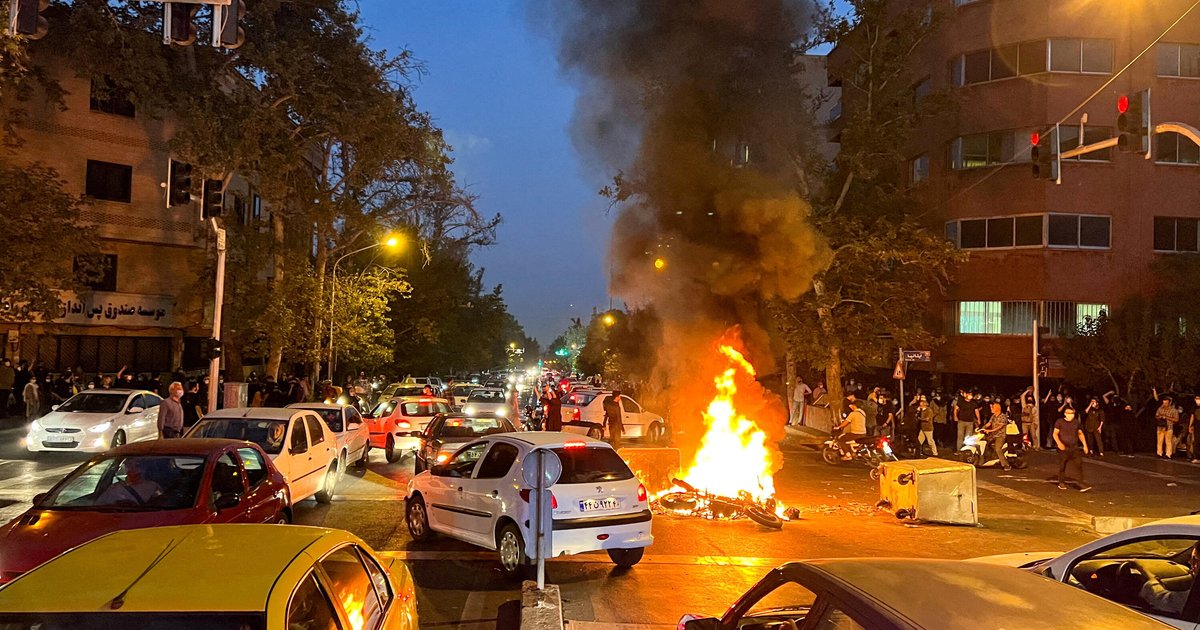
The repercussions of the war with Iran in Washington extend beyond a mere foreign policy issue, revealing a profound divide within the American political class. As the conflict enters its sixth week, the gap widens between Democrats criticizing President Donald Trump for lacking a clear plan and Republicans defending him despite growing concerns over his authority.
This debate is not limited to the war's viability; it also addresses the president's eligibility and the limits of his power in making military decisions. Reports from The New York Times and Newsweek indicate that the war has not only intensified the conflict with Iran but has also highlighted an internal struggle over constitutional legitimacy.
Details of the Conflict
The New York Times notes that the partisan divide regarding the war has evolved from a mere difference of opinion into an open confrontation over the nature and justification of the conflict. Democrats view it as an unwarranted military engagement that lacks clear objectives and risks escalating tensions further.
On the other hand, Republicans argue that the military action is necessary to protect American interests and deter Iranian aggression. This clash of perspectives has led to a heated debate in Congress, where calls for accountability and transparency are becoming increasingly vocal.
Background & Context
The current situation can be traced back to a series of events that escalated tensions between the U.S. and Iran, including the assassination of a prominent Iranian general. This action has been met with widespread criticism and has raised questions about the legal grounds for such military actions without Congressional approval.
Moreover, the historical context of U.S.-Iran relations plays a crucial role in understanding the current dynamics. Decades of mistrust and conflict have shaped perceptions and policies, making any military engagement particularly contentious.
Impact & Consequences
The ongoing war is likely to have significant implications for U.S. foreign policy, especially in the Middle East. The internal political divide may hinder the government's ability to formulate a coherent strategy, potentially leading to further instability in the region.
Additionally, the calls for invoking the 25th Amendment to address concerns over the president's mental fitness reflect the gravity of the situation. Such actions could set a precedent for future administrations and alter the landscape of American governance.
Regional Significance
The conflict has far-reaching consequences not only for U.S.-Iran relations but also for America's standing in the Arab world. As the war progresses, it could strain relationships with key allies and impact diplomatic efforts aimed at stabilizing the region.
Furthermore, the war's implications extend to global markets and international relations, as rising tensions could affect oil prices and trade agreements. The response from other nations will be crucial in shaping the future of U.S. foreign policy.
In conclusion, the political divide in the United States, exacerbated by the ongoing war with Iran, highlights a state of instability that could significantly influence American foreign policy and military strategy moving forward.