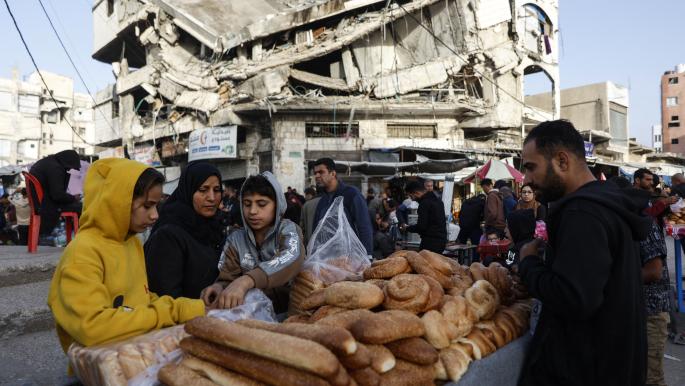
The bread crisis in the Gaza Strip is rapidly escalating, with local markets experiencing a severe shortage of this essential commodity. This comes amid a reduction in supplies from the World Food Programme, which has significantly increased demand. As the crisis worsens, the phenomenon of bread leaking into the black market has resurfaced, exacerbating the suffering of residents who rely on this vital good.
Reports indicate that many families in Gaza are facing significant difficulties in obtaining bread, as prices in the black market have soared to unprecedented levels. While bread was once considered a staple food item, it has now become a major challenge for many families.
Details of the Situation
The decline in supplies can be attributed to several factors, including the ongoing blockade on the region, which has severely impacted trade and food supplies. Additionally, the successive economic crises faced by the population have heightened the demand for bread, making it difficult for bakeries to meet market needs.
Local sources indicate that some bakeries have been forced to reduce production volumes, leading to increased queues outside ovens. In this situation, some have resorted to purchasing bread from the black market, where it is sold at prices that far exceed official rates.
Background & Context
Historically, the Gaza Strip has suffered from multiple food crises due to the prolonged blockade. Political and economic conditions have contributed to the exacerbation of these crises, as residents of Gaza heavily depend on humanitarian aid. The World Food Programme has played a prominent role in providing food supplies, but the recent decline in international support has intensified the crisis.
In recent years, Gaza has witnessed several food crises, but the current bread crisis is considered one of the most impactful on the lives of residents. With a growing population and rising poverty rates, obtaining bread has become a daily challenge for many.
Impact & Consequences
The impact of the bread crisis in Gaza extends beyond food shortages, encompassing various social and economic aspects. As prices rise, pressure on families increases, leading to a worsening of living conditions. Furthermore, the black market reflects the failure of the economic system to meet the basic needs of the population.
This situation could lead to increased social tensions, as people feel frustrated by their inability to secure their basic needs. Additionally, the continuation of the bread crisis may affect the overall stability of the region, as food crises can trigger explosive situations at any moment.
Regional Significance
The bread crisis in Gaza serves as a wake-up call for other Arab countries facing similar crises. With increasing economic and political challenges, it is essential for Arab nations to collaborate in providing support and assistance to those affected. These crises highlight the need for effective strategies to ensure food security in the region.
In conclusion, the bread crisis in Gaza is not merely a local issue but a matter that requires Arab and international attention. As humanitarian crises continue to escalate, it is crucial to work towards sustainable solutions that ensure the provision of food and basic needs for the population.