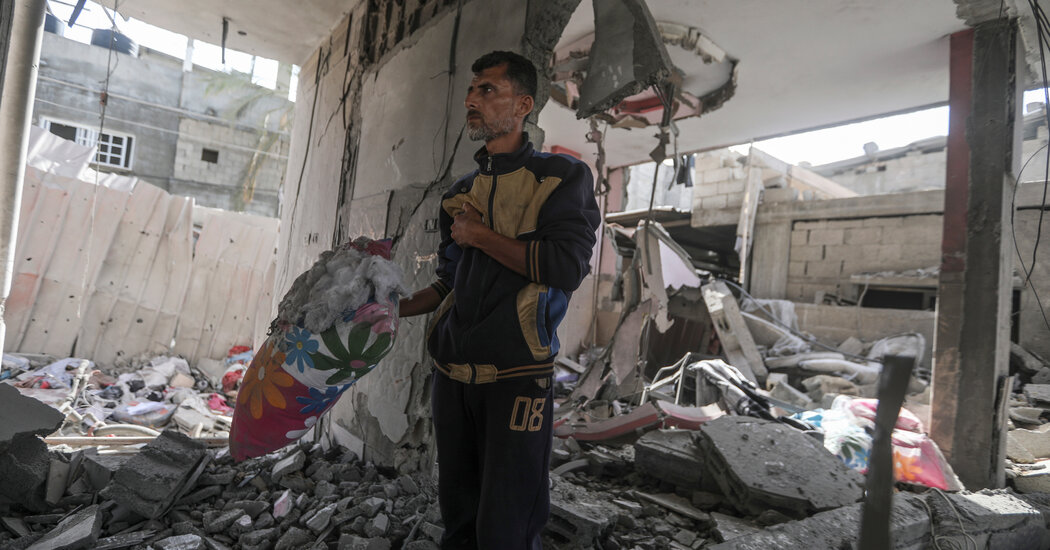
Fears of a global food crisis are rising due to the escalating conflict in the Middle East. Predictions indicate that the impacts of this war will affect many countries, threatening the stability of food markets.
As the conflict continues in the region, both in terms of geographical scope and duration, signs of an economic crisis are increasingly emerging. The cost of this war is exorbitant, and it is expected to affect the global economy as a whole, raising concerns among countries that rely on food imports.
Details of the Event
Reports indicate that the current conflict in the Middle East could lead to unprecedented increases in food prices. Some countries have already witnessed a significant rise in the costs of basic commodities, increasing pressure on low-income households. Additionally, disruptions in supply chains due to the conflict may lead to severe shortages of certain food products.
Governments face increasing challenges in trying to control prices and ensure the availability of food supplies. Data has shown that some countries that previously relied on imports from the region have begun seeking alternatives, which could lead to changes in global trade patterns.
Background & Context
Historically, the Middle East has experienced numerous conflicts that have impacted the global economy. Wars and conflicts in this region often lead to market disruptions, particularly in the food sector. For instance, previous conflicts have resulted in rising oil prices, which in turn affected transportation and food production costs.
Moreover, climate change and global economic crises have complicated the situation. With the demand for food increasing alongside a growing population, it becomes essential for countries to find sustainable solutions to ensure food security.
Impact & Consequences
The potential food crisis is expected to exacerbate economic conditions in many countries, potentially leading to increased rates of poverty and hunger. International organizations have warned that the most vulnerable groups will be the hardest hit, necessitating an urgent response from the international community.
This crisis may also lead to increased social and political tensions in some countries, as citizens may feel frustrated due to rising prices and food shortages. This could result in protests or social unrest in certain areas.
Regional Significance
In the Arab region, the countries most affected may be those that heavily rely on food imports. As prices rise, these countries may find themselves in a difficult position, necessitating urgent measures to ensure market stability.
Regional cooperation may become an urgent necessity to address these challenges. Arab countries may need to enhance cooperation in agriculture and food production to ensure the availability of essential supplies for their citizens.
In conclusion, the looming global food crisis resulting from the conflict in the Middle East requires urgent attention from all concerned parties. The economic and social challenges that may arise from this crisis demand a coordinated response to ensure food security and stability in the region.