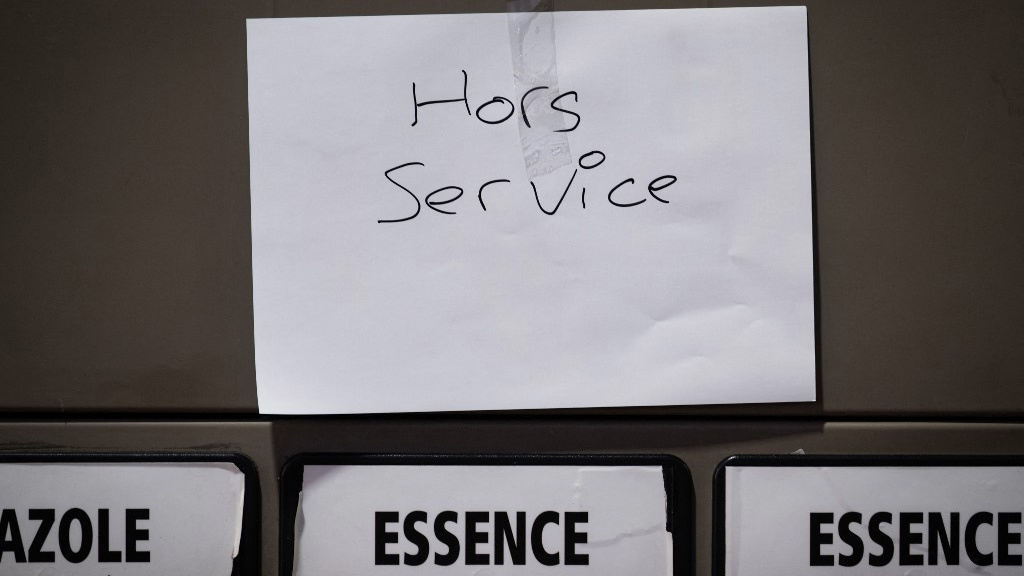
The ongoing conflict with Iran, which began on February 28, 2026, is causing severe economic repercussions for US allies in Europe and Asia. While Washington and Tel Aviv pursue military objectives, the most acute economic consequences are falling on European and Asian nations.
The Iranian blockade of the Strait of Hormuz, a vital artery for the supply of energy and global goods, has led to an uneven economic shock. Europe and Asia are suffering from acute energy shortages, inflationary pressures, and a redirection of global trade.
Details of the Event
Before the war began, approximately one-fifth of global liquefied natural gas exports, one-third of oil exports, and nearly half of sulfur exports were transported through the Strait of Hormuz. With this vital artery closed due to the US-Israeli military campaign, Iran has also targeted oil and gas production facilities in Gulf countries, leading to increased insurance premiums and shipping disruptions.
The importance of oil and gas is well-known, as fertilizers play a vital role in food production, while helium and sulfur are essential for the semiconductor industry. Consequently, the world is facing an energy crisis and a food crisis, along with a significant threat to the digital economy, affecting everything from lawn mowers to data centers that support artificial intelligence.
Background & Context
The Gulf region is a major hub for energy supply, with about 90% of liquefied natural gas exports heading to Asia, while 80% of crude oil is exported through the Strait of Hormuz to Asia. However, European countries are heavily reliant on the global market for diesel and refined products, making them vulnerable to crises.
Pressure on the European economy is increasing, as gas storage levels have dropped to just 28.9%, significantly lower than in previous years. According to European guidelines, the continent must fill these reserves to 90% before winter, intensifying competition with Asia for American and Norwegian gas.
Impact & Consequences
Asia is now experiencing an immediate economic shock, with countries like South Korea, Japan, and India facing acute energy shortages. Stock markets have significantly declined, with South Korea witnessing a 12% drop, while Thailand, Vietnam, and Japan have seen declines ranging from 7% to 10%.
Reliance on Qatar for liquefied natural gas exports has proven disastrous, as the Ras Laffan facility, the largest in the world, has sustained significant damage due to Iranian strikes, affecting 17% of export capacity. Meanwhile, Asian countries are competing for the remaining gas supplies, exacerbating the crisis.
Regional Significance
The Arab region is significantly affected by these events, as economic pressures mount on countries reliant on energy exports. The conflict threatens regional stability, raising concerns about escalating tensions in the Gulf region.
Ultimately, this crisis highlights the need for European countries to reassess their foreign policies, as they must evaluate their options in light of changing circumstances. US allies in the region must learn lessons from these crises, as being friends may become riskier than being enemies.