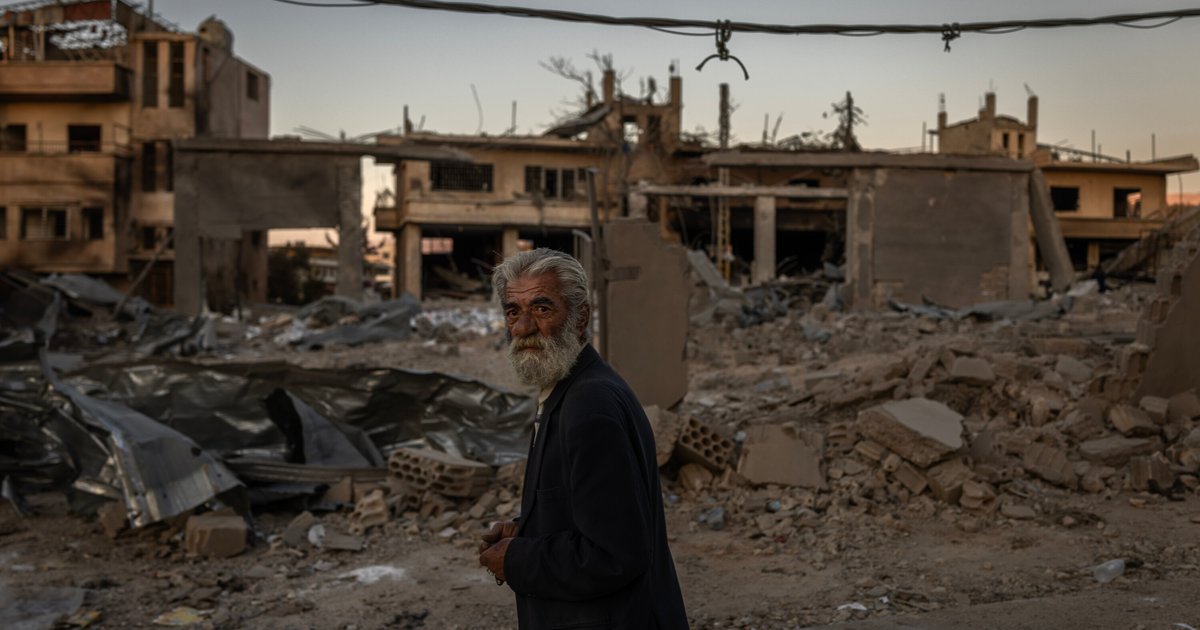
The intensity of conflicts in the Middle East is escalating, with many countries witnessing a rise in military tensions. These conflicts not only affect the political landscape in the region but also extend their impacts to the global economy as a whole. Under these circumstances, fears are growing regarding negative repercussions that could affect global economic stability.
Reports indicate that ongoing conflicts may lead to rising oil prices, negatively impacting oil-importing countries. Additionally, instability in the region could disrupt global supply chains, increasing shipping and transportation costs. Collectively, these factors could result in a slowdown of economic growth in many nations.
Details of the Situation
The Middle East is currently witnessing a rise in armed conflicts, where political crises intertwine with economic conditions. From Iraq to Syria and Palestine, tensions are increasingly surfacing, raising international concerns. These conflicts are not new, but they are renewing at an accelerated pace, complicating the regional landscape.
Financial markets are directly affected by these events, with many global stock exchanges experiencing declines in their values due to fears of escalating conflicts. Furthermore, global companies are beginning to reassess their investments in the region, which may lead to the exit of some major firms from Middle Eastern markets.
Background & Context
Historically, the Middle East has always been a hotspot for armed conflicts, where political and economic interests overlap. For decades, the region has witnessed wars and conflicts that have led to radical changes in the political and economic landscape. For instance, the Gulf War in the 1990s resulted in significant changes in oil prices and global energy markets.
In recent years, the intensity of conflicts has increased due to external interventions and internal strife, further complicating the situation. The humanitarian crises resulting from these conflicts lead to a flow of refugees, placing additional pressure on neighboring countries and affecting their economic stability.
Impact & Consequences
The repercussions of conflicts in the Middle East are manifold, directly affecting commodity prices, especially oil. Rising oil prices may lead to increased production and transportation costs, which will be reflected in the prices of goods in global markets. Moreover, instability may cause fluctuations in currency values, making it more challenging to predict future prices.
Additionally, conflicts impact foreign direct investments, as companies hesitate to invest in conflict zones. This hesitation could lead to a decline in economic growth in affected countries, increasing unemployment rates and affecting living standards.
Regional Significance
For Arab countries, the conflicts in the Middle East represent a significant challenge. Many Arab nations rely on regional stability to achieve economic growth. Any escalation in conflicts could have negative repercussions on the economies of these countries, increasing economic and social pressures.
Furthermore, conflicts may lead to the proliferation of humanitarian crises, requiring Arab nations to provide support and assistance. These crises affect security and stability in the region, further complicating the situation.
In conclusion, the repercussions of conflicts in the Middle East remain a crucial issue that requires international attention. The international community must work towards finding peaceful solutions to the conflicts to ensure regional stability and achieve sustainable economic development.