The repercussions of the explosive war in the Middle East are accelerating, as its effects extend beyond the region to impact distant countries like Germany. Reports indicate that Lebanon has witnessed the displacement of over one million people, prompting the activation of disaster management rooms to address the escalating humanitarian crisis. In Iraq, repeated attacks by armed factions on the Kurdistan region are sparking a new political crisis, while Palestine is experiencing a complete lockdown of cities and villages in the West Bank since the war began.
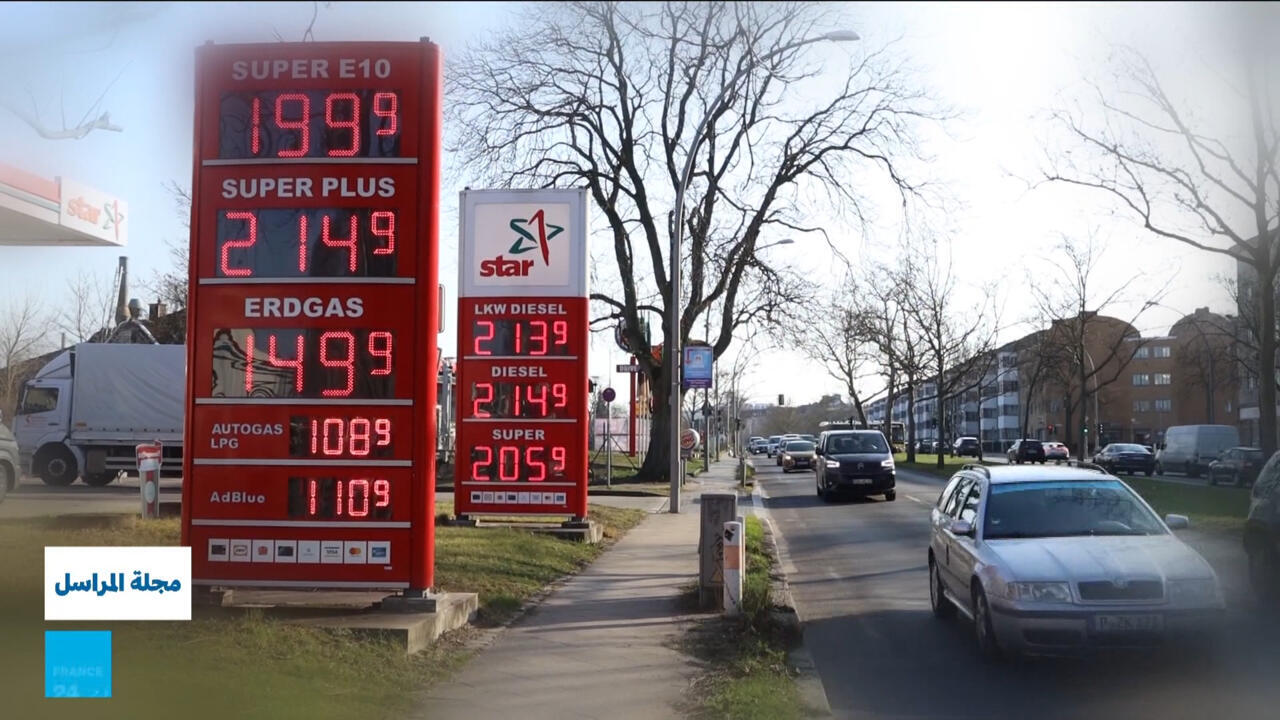
In Germany, the country does not appear to be immune to the conflict's repercussions, as prices have risen significantly, affecting the purchasing power of European citizens. These conditions indicate that the war in the Middle East is not merely a local conflict but has global implications that require international attention.
Details of the Situation
In Lebanon, the number of displaced individuals is increasing daily, with estimates suggesting that over one million people have left their homes in search of safety. This mass displacement is placing immense pressure on humanitarian resources, necessitating the mobilization of local and international authorities to provide the necessary assistance.
Meanwhile, in Iraq, the attacks carried out by armed factions on the Kurdistan region have exacerbated the political situation. The Iraqi government faces new challenges in controlling the situation, further increasing instability in the country. This scenario could lead to heightened tensions among various factions and complicate the political landscape.
Background & Context
Historically, the region has witnessed a series of conflicts that have led to humanitarian and political crises. The current conflict is the result of multiple factors, including external interventions and internal strife. Lebanon, which has been suffering from economic and political crises for years, now finds itself at the heart of a new humanitarian crisis.
In Iraq, the roots of the conflict trace back to years of sectarian and political tensions, as armed factions pursue their own objectives, complicating the security situation. Meanwhile, in Palestine, the ongoing closures reflect a tragic reality that Palestinians have endured for decades.
Impact & Consequences
The consequences of the war are affecting the global economy, with prices beginning to rise in many countries, including Germany. This increase in prices is straining citizens' purchasing power, leading to heightened social discontent. These conditions may also exacerbate economic crises in European countries that rely on importing resources from the region.
On a humanitarian level, the mass displacement and increasing needs for humanitarian assistance require an urgent response from the international community. There is an urgent need to provide support for the displaced and for the countries hosting them to ensure that the humanitarian situation does not worsen.
Regional Significance
Concerns are growing that these conditions could escalate conflicts in the region, threatening stability in neighboring countries. Additionally, humanitarian crises may lead to an influx of refugees into other nations, increasing pressures on governments in those countries.
In conclusion, the repercussions of the war in the Middle East remain an urgent issue that requires international attention and cooperation among nations to alleviate humanitarian and political burdens. The current situation indicates that the conflict will not end soon, necessitating immediate action from the international community.