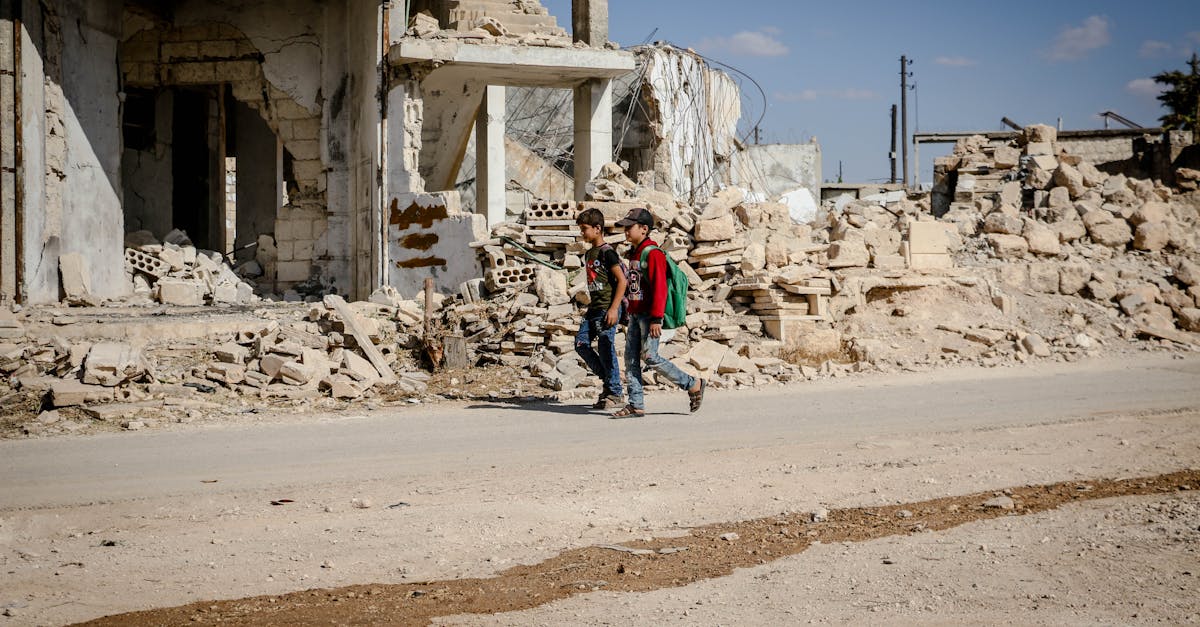
The human toll in the US-Israeli war on Iran is accelerating, with recent reports indicating that the death toll has surpassed thousands since the conflict erupted on February 28. According to a report published by the British newspaper Independent, Iran has borne the brunt of the casualties, with 3,519 people killed, including 1,598 civilians, among them 244 children.
In contrast, the International Federation of Red Cross and Red Crescent Societies announced that the death toll in Iran has reached at least 1,900, in addition to around 20,000 injured. These figures reflect the scale of the humanitarian suffering that the country is experiencing due to the ongoing conflict.
Details of the Conflict
In Lebanon, the Independent reports that local authorities have announced 1,318 deaths from Israeli airstrikes since March 2, including 124 children. The newspaper also cited informed sources stating that more than 400 fighters from Hezbollah have been killed since the front opened with Israel, although it remains unclear if these figures are included in the official tally. The losses also include nine Lebanese soldiers and three from the United Nations peacekeeping forces.
In Iraq, health authorities reported 107 deaths since the war began, including civilians and members of armed factions and security forces. In Israel, rockets from Iran and Lebanon have resulted in 19 deaths, while the Israeli army announced the deaths of 10 of its soldiers in southern Lebanon.
The newspaper added that 13 American soldiers were killed and 12 others injured in war-related attacks, along with the death of a French soldier in northern Iraq. The toll in the Middle East also includes casualties in several Arab countries and four Palestinian women in the occupied West Bank.
Background & Context
The roots of the current conflict stem from long-standing tensions between Iran and the United States, with Washington accusing Tehran of supporting armed groups in the region. The alliance between the United States and Israel reflects a shared strategy to counter Iran's growing influence in the Middle East.
Historically, the region has witnessed numerous armed conflicts that have had severe implications for civilians, making the current situation even more complex. As violence escalates, the urgent need for a peaceful resolution that ensures regional stability becomes increasingly apparent.
Impact & Consequences
The consequences of the war extend beyond human losses, affecting regional stability and exacerbating tensions between countries. The conflict also contributes to worsening humanitarian crises, necessitating international intervention to provide essential aid to those affected.
Concerns are rising that the continuation of the conflict could lead to greater escalation, threatening regional security and complicating peace efforts. Additionally, the economic impact of the war will affect neighboring countries, further exacerbating economic and social crises.
Regional Significance
The Arab region lies at the heart of the conflict, with neighboring countries directly affected by the security and economic repercussions. Refugees and displaced persons from conflict zones face significant challenges in accessing humanitarian aid, increasing their suffering.
The current situation requires Arab countries to intensify their efforts to cooperate in addressing the challenges arising from the conflict and to work towards peaceful solutions that ensure regional stability. Furthermore, enhancing dialogue among the involved parties is a crucial step towards achieving lasting peace.