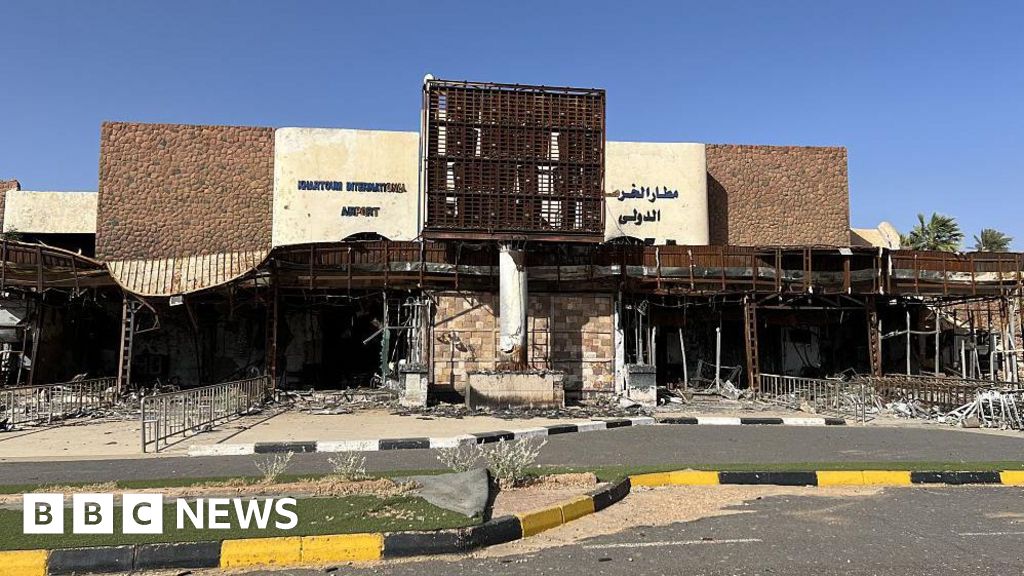
Sudan is gripped by fear as the use of drones in ongoing conflict intensifies, exacerbating civilian suffering and reflecting deteriorating security conditions. This military technology raises significant alarm among the population, who are enduring the consequences of the relentless strife.
Recently, the country has witnessed a notable increase in drone attacks, which have become a primary tool in the conflict between the warring factions. These attacks have resulted in numerous civilian casualties, heightening fears among the populace.
Details of the Incident
Reports indicate that the use of drones has surged significantly over the past few weeks, with several attacks targeting residential areas and vital facilities. These assaults have led to the destruction of many homes and injuries to civilians, forcing residents to live in a state of constant fear.
There are also reports of drones being used for reconnaissance operations, enhancing the warring parties' ability to locate adversaries and achieve their military objectives. These developments signal a qualitative shift in the nature of the conflict in Sudan, where technology is playing a pivotal role in the unfolding events.
Background & Context
Historically, Sudan has experienced multiple conflicts over the decades, but the current strife differs in its use of modern technology. Previous wars primarily relied on ground forces and direct confrontations, while the current conflict is shifting towards the use of drones, reflecting an evolution in combat methods.
It is noteworthy that the conflict in Sudan has escalated since the ousting of former President Omar al-Bashir in 2019, leading to increased tensions among various armed groups. With the rising use of drones, it appears that the conflict may enter a new phase of complexity.
Impact & Consequences
The repercussions of drone use in the Sudanese conflict extend beyond military dimensions, directly affecting civilian lives. As the number of casualties rises, residents face significant challenges in accessing humanitarian aid, further compounding their suffering.
The use of this technology may also exacerbate humanitarian conditions, as the number of internally displaced persons and refugees increases due to military operations. This poses a substantial challenge for humanitarian organizations striving to provide support and assistance to those affected.
Regional Significance
The situation in Sudan exemplifies how internal conflicts can impact regional stability. With the increasing use of drones, the conflict may escalate further, threatening security in neighboring countries and increasing the flow of refugees.
Additionally, these developments could affect relations among Arab states, as some countries may intervene to support the warring factions, complicating the situation further. Consequently, events in Sudan could have far-reaching implications for security and stability in the region.
In conclusion, the situation in Sudan remains under scrutiny, as the current circumstances necessitate an urgent response from the international community to ensure the protection of civilians and provide necessary support. With the continued use of drones, the hope for achieving peace seems increasingly distant.