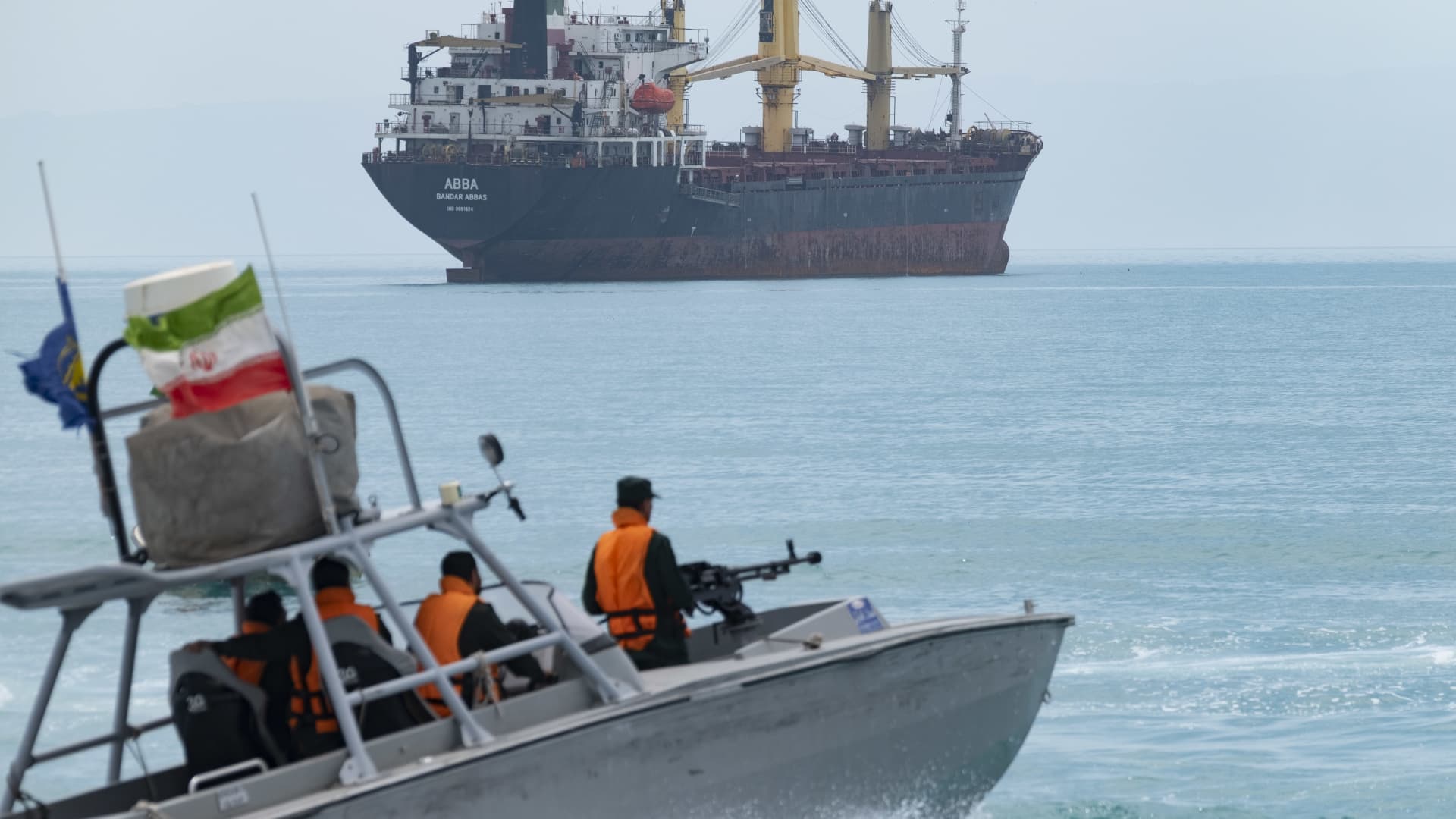
Amid rising political tensions and military disputes, the global economy is facing significant challenges, particularly as oil prices surge to levels not seen in years. The effective closure of the Hormuz Strait, one of the world's most important oil transport routes, has sent shockwaves through the oil markets, forcing global companies to reassess their strategies.
Scott Kirby, CEO of United Airlines, reported that he has begun planning for oil prices that could reach $175 per barrel, a troubling scenario given the current situation. This warning is backed by data indicating that oil prices may remain above $100 through 2027.
For executives at global firms, the situation appears to have become more critical, as they are increasingly concerned that the complications arising from U.S.-Iranian disputes could lead to prolonged market instability. American stock markets, particularly the Nasdaq index, have begun to show signs of a persistent decline, threatening investments and profit margins.
At the same time, the U.S. administration has raised the alert level, with the Chairman of the Joint Chiefs of Staff announcing that military forces are pursuing Iranian boats to prevent disruption of navigation in the strait. On the other hand, Trump stated that Iran must reopen the strait within 48 hours, threatening targeted strikes on energy facilities in Iran if they do not comply.
If effective measures are not taken in the next two weeks, experts warn that the global economy could face a severe energy crisis. This crisis could impact markets such as Asia, where countries like India and South Korea are expected to begin cutting industrial production to maintain energy sustainability.
In market terms, the oil sector seems to be the most affected, as companies prepare to face three scenarios that differ in the timing of the reopening of the Hormuz Strait. The scenarios include reopening by the end of March, mid-year, or continuing its closure until the end of the year, which poses a significant challenge for companies in future planning.
Currently, the impact of the crisis is not limited to companies in the oil sector but extends to various economic sectors. For example, technology companies have indicated that they too are affected by rising oil prices, as shipping and transportation costs may further add to the pressure on consumer demand.
This issue poses an urgent threat to regional economic stability and on a global scale, as dependence on imported energy from countries with limited resources increases. The Hormuz Strait is a critical point in global oil trade, with approximately 20 million barrels passing through this passage daily. A prolonged closure of this strait could lead to a massive energy shortage, subsequently affecting economic activities that span from the United States to Europe and Asia, directly reflecting the state of anxiety in financial markets.