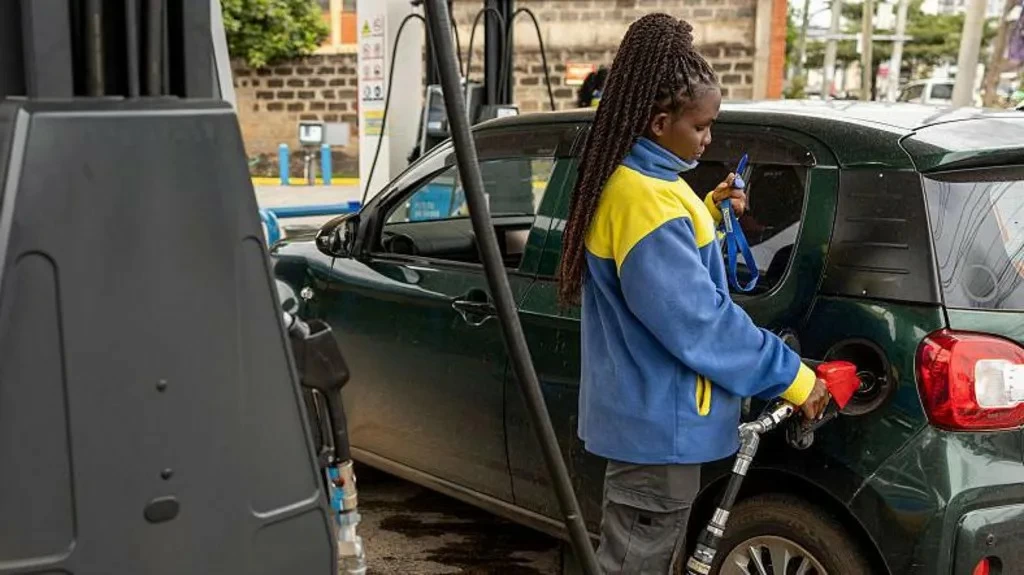
Several African nations are facing a crippling fuel crisis due to the ongoing conflict between the United States and Israel on one side and Iran on the other. This situation has led to disruptions in energy supplies. Governments are implementing emergency measures to tackle this worsening situation.
In South Sudan, authorities have begun enforcing an electricity rationing system in the capital, Juba, where the main electricity distribution company, JEDCO, announced daily scheduled outages on a rotational basis. This comes at a time when the country relies almost entirely on oil for electricity generation, despite having significant reserves that are mostly exported, while refined fuel is imported. Residents have been suffering from continuous outages since last year due to maintenance work, but the current crisis has exacerbated the situation. A local electrical engineer confirmed that power cuts last for long hours each day, crippling business activities and forcing some who can afford it to switch to solar energy despite its high costs.
Details of the Situation
In Mauritius, the government declared a state of emergency in the energy sector after a delayed oil shipment, which caused reserves to drop to a level that covers only 21 days. Authorities imposed restrictions on electricity consumption, particularly in energy-intensive sectors, while seeking costly alternatives from external sources.
In Zimbabwe, the government decided to increase the ethanol content in fuel from 5% to 20%, along with eliminating some taxes on fuel imports, in an attempt to reduce prices that have surged by 40% in less than a month. Despite this, citizens are experiencing widespread inflation, with one vendor confirming that living costs have doubled, while some small businesses have been forced to absorb losses.
Background & Context
In Ethiopia, authorities directed fuel companies to prioritize specific sectors such as security institutions, government projects, and essential industries, while imposing consumption restrictions. The Tigray region announced a complete halt to fuel supplies amid fears of renewed conflict.
In Kenya, reports indicate that about 20% of fuel stations are experiencing supply shortages due to increased demand and panic buying. While the government denied the existence of a crisis, some traders were accused of hoarding fuel in anticipation of price hikes, urging citizens to avoid excessive purchasing.
Impact & Consequences
The repercussions of the crisis have extended to other sectors, such as agriculture, where flower exports have been harmed due to shipping disruptions and decreased demand in the Middle East, resulting in losses of millions of dollars within a few weeks. In other countries like Uganda, the government reassured citizens of fuel availability, warning traders against unjustified price increases, while South Africa confirmed the stability of supplies at present, with warnings of potential impacts if the conflict persists.
Conversely, some countries may benefit from this crisis, as ports in Southern and Eastern Africa are expected to see increased activity with shipping routes being diverted away from the Red Sea and the Strait of Hormuz, enhancing fuel supply and maritime services.
Regional Significance
Nigeria, the second-largest oil producer in Africa, is also likely to benefit from rising global prices, as it has offered to increase its production to meet demand. However, economists warn that these gains may not quickly translate to citizens, given the rising global transportation and fuel costs. These developments directly affect energy markets in the Arab region, where global prices are expected to be influenced by these disruptions.
In conclusion, this crisis highlights the urgent need for effective strategies to manage energy resources in Africa, especially in light of increasing geopolitical challenges.