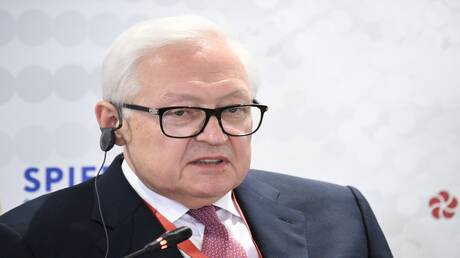
Russian Deputy Foreign Minister Sergey Ryabkov stated that the world is facing a high level of tensions and contradictions, which may lead to severe conflicts. He emphasized the increasing underlying causes of these tensions during his remarks to the TASS analytical center.
Ryabkov described the current situation as characterized by multiple factors that escalate conflicts, stressing the need for the international community to recognize these risks. He clarified that the current tensions are not merely transient events but reflect a profound transformation in international relations.
Details of the Current Situation
In his remarks, Ryabkov pointed out that the multiple crises the world is witnessing, ranging from regional conflicts to tensions between major powers, contribute to creating an unstable environment. He confirmed that these tensions could lead to military escalation if not handled carefully.
He also noted the urgent need for dialogue and understanding among countries to avoid exacerbating the situation. Ryabkov affirmed that Russia is ready to participate in any international efforts aimed at easing tensions and achieving stability.
Background & Context
In recent years, the international arena has witnessed a notable increase in tensions, especially between major powers such as the United States and Russia. These tensions stem from several factors, including regional conflicts, competition for resources, and ideological differences. These factors have led to a climate of distrust among nations.
Historically, international relations have experienced periods of tension that led to significant conflicts, such as the Cold War. However, the current situation is marked by new complexities, such as the emergence of new powers on the international stage and shifts in traditional power balances.
Impact & Consequences
The current global tensions could significantly affect regional and international stability. If the situation worsens, we may witness military escalation in conflict zones, potentially leading to severe humanitarian and economic repercussions.
Moreover, these tensions could impact the global economy, as they may lead to fluctuations in financial markets and rising prices of essential commodities. Therefore, the international community is urged to act swiftly to prevent the situation from deteriorating.
Regional Significance
The Arab region is not isolated from these tensions, as it suffers from internal and external conflicts that affect its stability. Conflicts in Syria, Libya, and Yemen, for example, reflect the impact of global tensions on regional security.
Additionally, tensions between major powers could lead to changes in regional policies, which may affect relations among Arab countries. Thus, dialogue and cooperation among Arab nations become essential to face these challenges.
In conclusion, the international community must urgently act to alleviate current tensions and work towards building bridges of dialogue and understanding among countries. Global security and stability depend on the ability of nations to overcome their differences and work together for a better future.