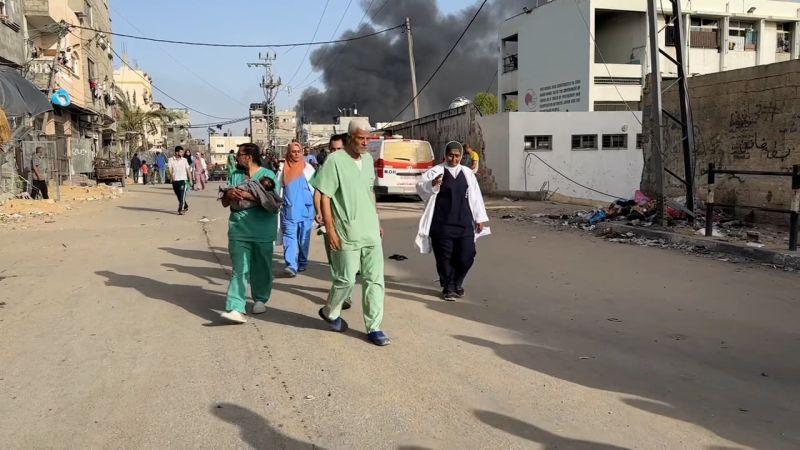
The health crises in Gaza are intensifying, as patients face harsh challenges due to a lack of medicines and Israeli travel restrictions. These conditions have resulted in the deaths of many patients, including children, who have been deprived of necessary treatment.
Among those affected is three-month-old Jlal Qatash, who recently died from a rare bubble disease after being denied travel for treatment outside the Gaza Strip. This case is just one of many heartbreaking stories that reflect the deteriorating health situation in Gaza.
Details of the Crisis
Cancer patients and newborns in Gaza are living under the weight of a severe shortage of medicines and medical equipment. The number of patients needing urgent treatment in hospitals outside the territory is increasing, yet the Israeli occupation imposes strict restrictions preventing them from leaving. These restrictions exacerbate health conditions, leading to a backlog of postponed surgeries, making Gaza appear as an "open hospital" of suffering and death.
The case of journalist Maher Al-Afifi, who suffers from bowel cancer, highlights the plight of many. Despite receiving his first chemotherapy dose, his health has significantly deteriorated, reflecting the difficulty of controlling the disease under current circumstances.
Background & Context
Israeli policies are depriving patients of treatment, as the closure of crossings and strict restrictions on the entry of fuel and medical supplies are part of this policy. This situation has led to the destruction of some hospitals, further increasing the suffering of patients who require specialized medical care.
Reports indicate that over 20,000 Palestinian patients are waiting for permission to travel for treatment, directly threatening their lives. Cancer patients are among the most affected groups, facing difficulties in obtaining appropriate treatment.
Impact & Consequences
The number of deaths among patients is rising due to the lack of medicines and specialized treatment, complicating the health situation in Gaza. Activists on social media are calling for urgent international intervention to save patients, considering the delay in treatment as a "slow engineering" of death.
Voices demanding the opening of crossings and facilitating patient movement are increasing, as this is deemed essential for saving lives. With the current situation persisting, there are fears of rising death rates, especially among children and the elderly.
Regional Significance
The health crisis in Gaza demonstrates how Israeli policies can impact civilian lives, necessitating urgent international intervention. These conditions reflect the suffering of Palestinians in various regions, where they face similar challenges in accessing healthcare.
In conclusion, the health situation in Gaza requires immediate action from the international community to ensure patients' rights to treatment, as the continuation of this situation will exacerbate humanitarian crises in the region.