The crisis on Israel's northern front is deepening at an alarming pace, with Hezbollah's attacks significantly increasing, leading to a broader range of aerial and missile breaches. This situation reflects the growing gap between political discourse and battlefield realities, placing Israeli leadership before an unprecedented test.
In this context, Walid Al-Omari, the director of Al Jazeera's office in Ramallah, conveys a field image that reflects the extent of the exhaustion Israel is experiencing. The sirens are no longer confined to border areas but have extended to unprecedented depths, reflecting a state of increasing anxiety among the population.
Details of the Incident
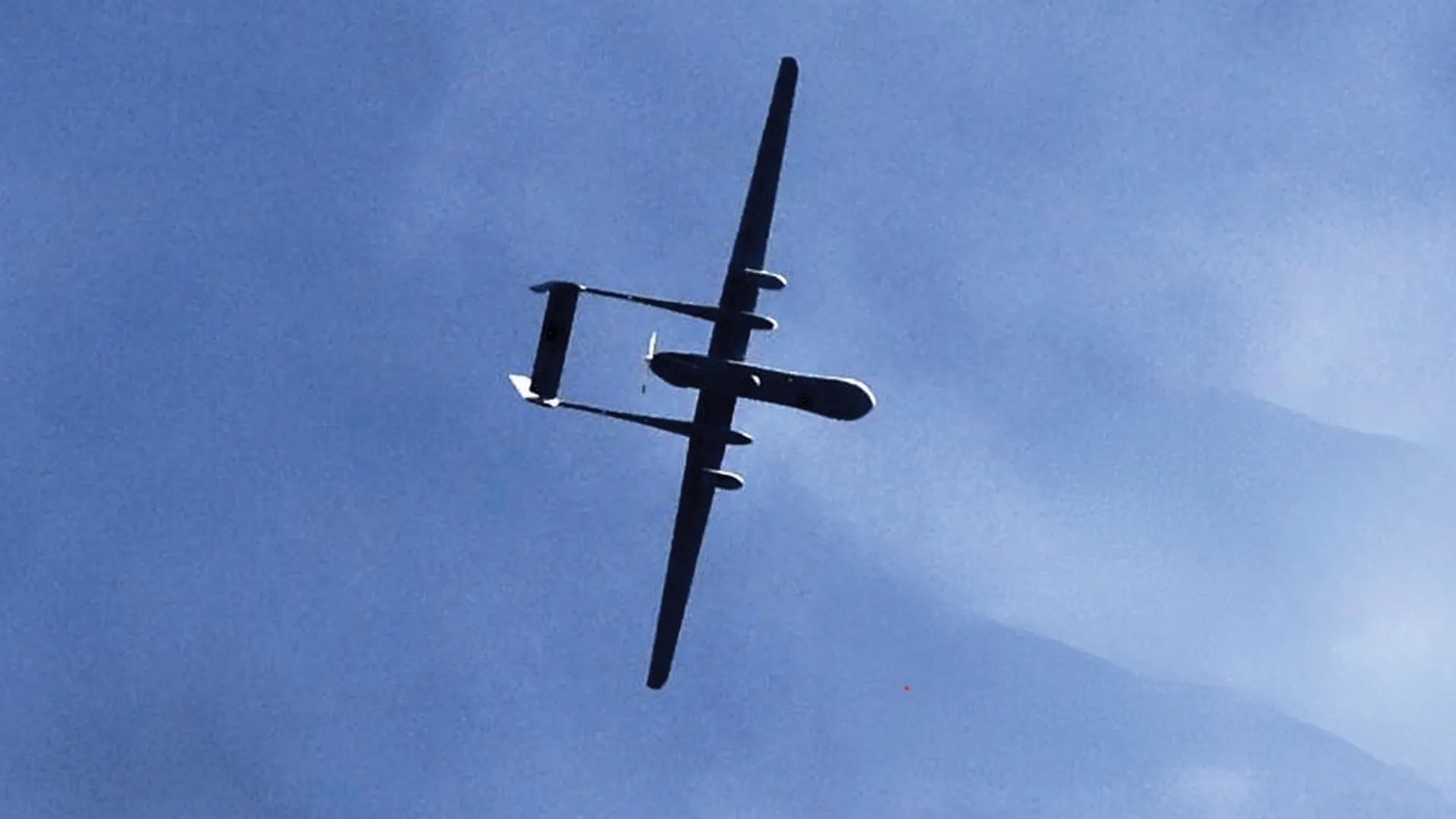
Hezbollah's drones have successfully breached Israeli air defenses, with one drone managing to travel dozens of kilometers to areas near Haifa. This breach indicates a failure of interception systems to contain the escalating threats. This breach was accompanied by widespread panic, prompting tens of thousands of Israelis to seek shelter, with 18 waves of shelter evacuations recorded within just 8 hours amidst continuous bombardment and infiltration by multiple-direction drones.
The scene was not limited to a single incident, as Al-Omari noted that 4 drones infiltrated simultaneously, with only 3 being intercepted, while the fourth continued to fly for about half an hour within Israeli airspace, reflecting the depth of the defensive gap. This synchronization of bombardment from Lebanon and Iran, and even from Yemen, multiplies pressure on the home front, creating a complex exhaustion environment that exceeds the defensive systems' capacity for simultaneous and effective response.
Background & Context
Academic and Israeli affairs expert Mahmoud Yazbek provides a deeper reading of the Israeli predicament, considering that Tel Aviv has fallen into a "strategic whirlpool" due to an overestimation of its strength following previous assassination and targeting operations. Israel sought to impose a deterrence equation by eliminating Hezbollah's missile capabilities, but the continued Lebanese front's support for Gaza and Iran has thwarted this perception, turning the battle into an open exhaustion.
The political leadership attempted to compensate for this failure by targeting the southern suburbs of Beirut and civilian infrastructure, aiming to create a media "victory image"; however, this image clashes with a field reality that completely contradicts it. The Israeli society has begun to realize the contradiction between official promises and reality, especially with the ongoing bombardments and breaches, leading to an unprecedented erosion of trust between the public and political and military leadership.
Impact & Consequences
This erosion has manifested in public scenes, with the head of the Moshav Margaliot settlement appearing in tears, criticizing the state's absence and expressing a general feeling among northern residents that they have been left to face their fate without adequate protection. Yazbek claims that the Israeli government's refusal to issue official evacuation orders stems from its fear of recording that as an acknowledgment of defeat, even though many residents have already taken the initiative to leave their areas individually.
This situation warns of a delayed internal explosion, as political and societal disputes are expected to erupt following the end of the war, which could threaten the future of the current leadership, particularly Benjamin Netanyahu. This reading intersects with field developments, as Hezbollah continues to carry out qualitative operations, including luring an Israeli force into an ambush in southern Lebanon, coinciding with intensive Israeli airstrikes targeting dozens of towns.
Regional Significance
The repercussions of this crisis extend beyond Israel's borders, as the state of instability in the north reflects negative impacts on regional security. The escalation of tensions on the northern front could lead to greater conflict escalation, threatening the stability of neighboring countries and complicating the security landscape in the region.
In conclusion, it appears that Israel is facing unprecedented challenges on its northern front, placing it at a crossroads that may determine its political and security future in the coming years.