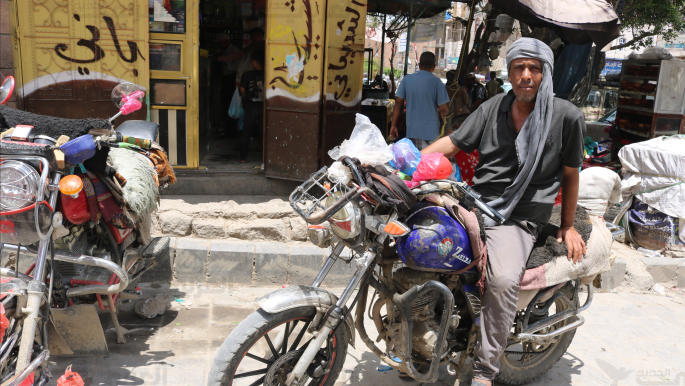
Concerns are growing over the collapse of Yemen's economy as the Houthis officially enter the conflict in the region. The Yemeni economy, heavily reliant on imports, faces increasing vulnerability amid ongoing crises.
Yemen is considered one of the most affected countries by armed conflicts, with its people suffering from severe humanitarian and economic crises. As the intensity of the conflict escalates, the challenges facing the Yemeni economy, which is already suffering from a severely weakened infrastructure and high rates of poverty and unemployment, are increasing.
Details of the Event
The Houthi group has announced its entry into a new military conflict, exacerbating the economic situation in the country. Reports indicate that this military escalation could lead to further deterioration of living conditions for citizens, who heavily rely on imports to meet their basic needs.
Prices of essential goods are rising significantly, putting additional pressure on Yemeni families struggling to survive. Furthermore, supply disruptions due to the ongoing conflict are worsening the humanitarian crisis, with millions suffering from food and medicine shortages.
Background & Context
Historically, Yemen has witnessed multiple conflicts that have led to economic deterioration. Since the outbreak of war in 2015, conditions have significantly worsened, with the local currency losing much of its value, resulting in soaring inflation rates.
The Yemeni economy primarily relies on imports, with imports accounting for about 90% of the country's needs. This heavy dependence on foreign goods makes the Yemeni economy vulnerable to external shocks, especially amid political and security crises.
Impact & Consequences
Forecasts suggest that the continuation of the conflict could lead to a complete collapse of the Yemeni economy, further increasing the suffering of the people. If the situation remains unchanged, we may witness unprecedented rises in poverty and unemployment rates, negatively impacting social and political stability in the country.
Moreover, the deterioration of the Yemeni economy could affect neighboring countries, potentially leading to an influx of refugees into those nations, thereby placing additional pressure on their economic and social resources.
Regional Significance
The Yemeni crisis is considered one of the most complex humanitarian crises in the region, where political, economic, and social dimensions intertwine. The repercussions of the conflict in Yemen could impact regional security, potentially escalating conflicts in other countries.
Additionally, the deterioration of economic conditions in Yemen could negatively affect trade relations among Arab countries, as supply chains and trade in the region may be disrupted.
In conclusion, the economic situation in Yemen requires an urgent response from the international community, as efforts must be made to find political and economic solutions that contribute to ending the conflict and improving living conditions for citizens. Failure to take immediate action could exacerbate humanitarian and economic conditions, threatening the stability of the entire region.