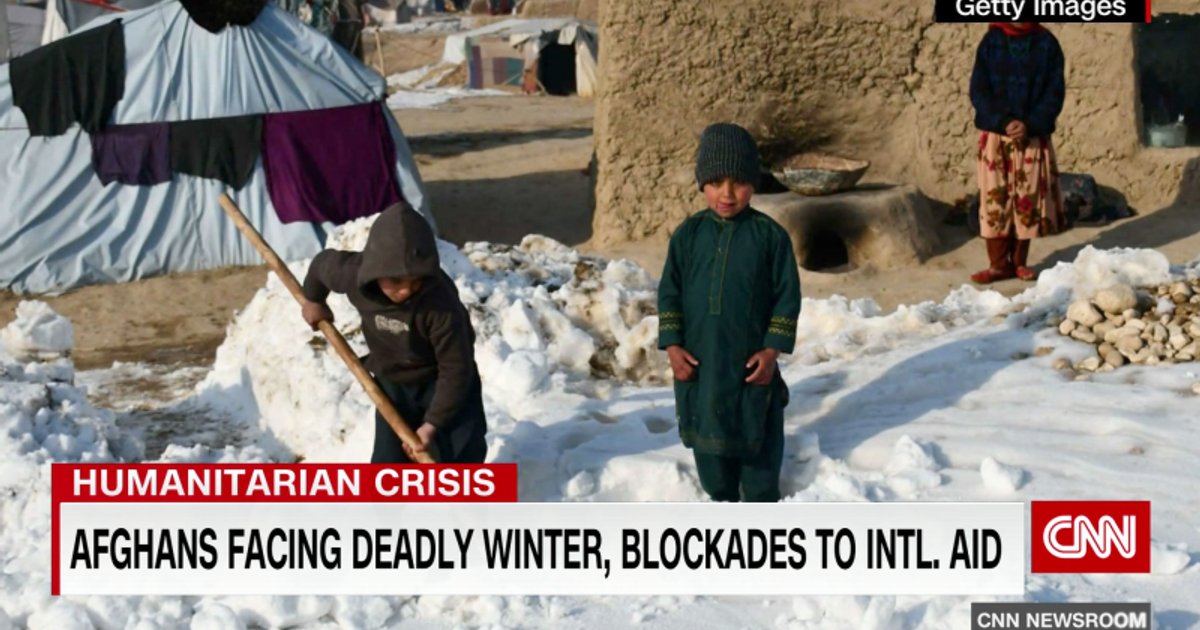
Humanitarian crises in Afghanistan are escalating, with reports indicating that more than 28 million people require urgent humanitarian aid. This comes at a time when the country is suffering from a sharp economic decline, further increasing the suffering of local populations.
Poverty rates in Afghanistan are rising significantly, with estimates suggesting that around 97% of the population lives below the poverty line. This situation raises concerns among humanitarian and international organizations, which warn that failure to take urgent action could lead to a comprehensive humanitarian disaster.
Details of the Situation
The crises in Afghanistan have intensified since the Taliban returned to power in August 2021, leading to international sanctions on the new government, which resulted in the freezing of the country's financial assets. This freeze has severely impacted the government's ability to provide basic services to the population.
In light of this situation, the United Nations has launched an urgent appeal to raise $4.6 billion to assist Afghans, but the response has been below expectations. Many families are suffering from food and water shortages, raising fears of disease outbreaks.
Background & Context
Historically, Afghanistan has endured ongoing wars and conflicts, leading to the destruction of the country's infrastructure. After decades of conflict, the Taliban's return has plunged the country back into instability, with both security and economic conditions deteriorating significantly.
Afghanistan is considered one of the poorest countries in the world, with many residents relying on humanitarian aid. However, the current situation threatens even this assistance, as humanitarian organizations face difficulties in reaching those in need due to imposed restrictions.
Impact & Consequences
The humanitarian crises in Afghanistan are affecting regional stability, as they could lead to mass migration flows towards neighboring countries. Additionally, the deteriorating economic conditions may contribute to the spread of extremism and violence, posing a threat to both regional and international security.
Concerns are growing that the continuation of the current situation could destabilize neighboring countries, such as Pakistan and Iran, which are also facing internal crises. Therefore, the international community is urged to take urgent action to help Afghanistan overcome this crisis.
Regional Significance
For Arab countries, the situation in Afghanistan raises alarm, especially given the security and economic challenges facing the region. Humanitarian crises can lead to increased tensions between nations, necessitating greater cooperation among Arab states and the international community to address these challenges.
Moreover, the situation in Afghanistan highlights the importance of enhancing humanitarian efforts in conflict areas, requiring a coordinated response from Arab nations to support the Afghan people in their plight.