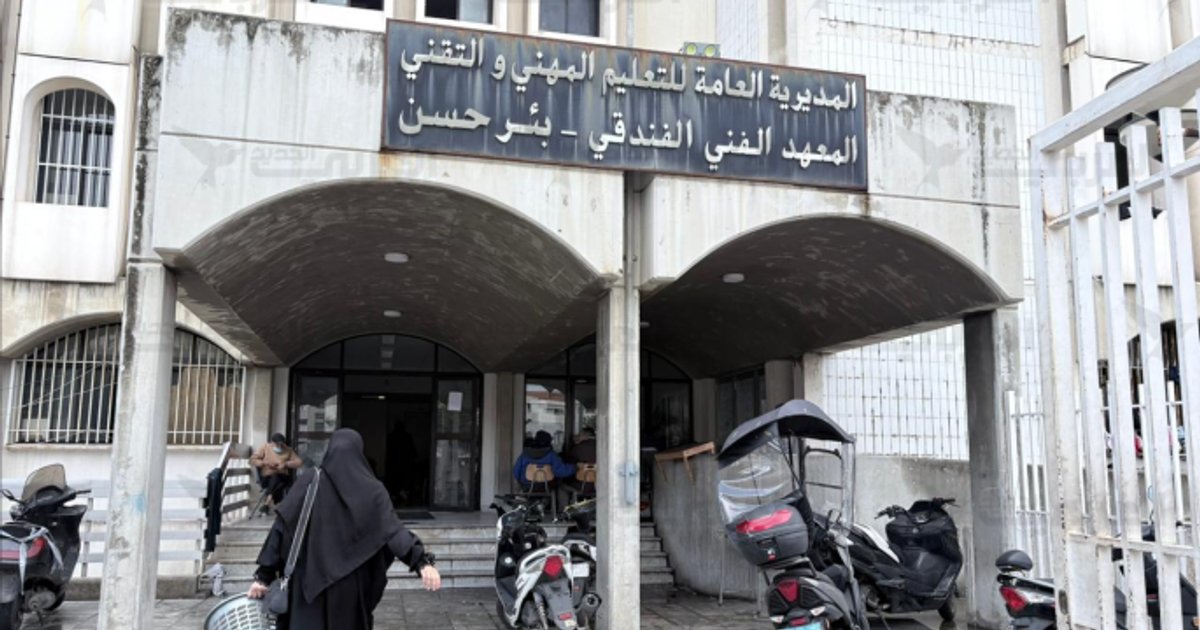
The personal hygiene crisis in Lebanese shelters has worsened, increasing the suffering of thousands of families displaced by ongoing Israeli aggression. The deteriorating health situation calls for urgent intervention.
Many Lebanese families are living in harsh conditions within the shelters, which lack the minimum essential services, including hygiene and sanitation facilities. As waves of displacement continue due to military escalation, fears of disease outbreaks are rising.
Details of the Situation
Reports indicate that the shelters, hosting thousands of displaced individuals, are suffering from a severe shortage of clean water and hygiene supplies. This situation threatens the health of the displaced, particularly children and the elderly, who are most vulnerable to diseases. Studies have shown that poor health conditions in shelters can lead to the spread of infectious diseases, further straining an already struggling healthcare system.
Complaints from the displaced regarding the unavailability of personal hygiene items, such as soap and towels, reflect the failure of responsible authorities to provide the minimum basic needs. Under these circumstances, the displaced face significant challenges in maintaining their health and personal hygiene.
Context and Background
This crisis comes at a sensitive time for Lebanon, which is grappling with compounded economic and social crises. The recent Israeli aggression has led to the displacement of thousands of families from their homes, increasing pressure on shelters that are already resource-deprived. Historically, Lebanon has witnessed similar crises, where armed conflicts have led to an influx of displaced individuals, but the current situation is considered one of the worst due to deteriorating economic conditions.
Historically, shelters in Lebanon have suffered from a lack of logistical and financial support, exacerbating humanitarian crises. With the increasing number of displaced individuals, it has become essential to provide both international and local support to improve living conditions in these shelters.
Consequences and Impact
The repercussions of the personal hygiene crisis in shelters extend beyond public health, affecting the social and psychological stability of the displaced. Poor health conditions may lead to disease outbreaks, increasing the burden on the Lebanese healthcare system, which is already facing severe resource shortages.
Moreover, the outbreak of diseases in shelters could lead to heightened social tensions between the displaced and host communities, complicating relief efforts and increasing the challenges faced by humanitarian organizations.
Impact on the Arab Region
The displacement crisis in Lebanon is part of a larger crisis affecting the Arab region, where the number of displaced individuals is rising due to armed conflicts and humanitarian crises. These crises impact regional stability and increase pressures on neighboring countries hosting the displaced.
Under these circumstances, it is crucial for regional and international efforts to converge to provide the necessary support for the displaced in Lebanon and deliver urgent humanitarian assistance to improve their living conditions.
In conclusion, the personal hygiene crisis in Lebanese shelters represents a significant challenge that requires an urgent response from both the international and local communities. Coordinated efforts must be made to improve health conditions and provide the necessary support for the displaced to ensure their basic rights to a dignified life.