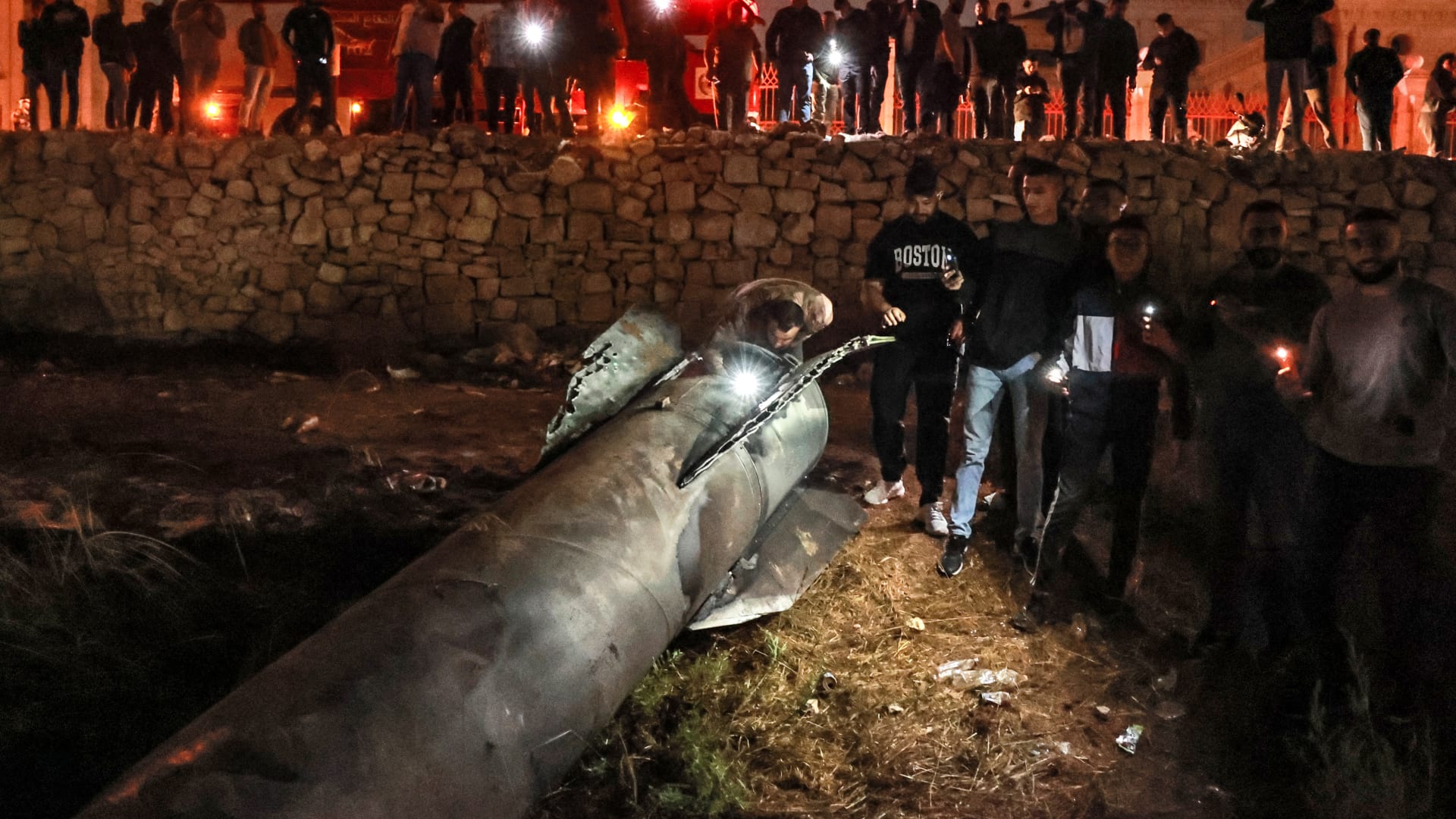
Global markets face new challenges as geopolitical tensions rise due to the Iran conflict, jeopardizing the economic recovery that began this year. Indicators suggest that the global financial system may enter a phase of unexpected turmoil.
After a period of relative stability, the global economy was looking forward to a promising start in 2023, with investments in artificial intelligence and easing trade restrictions contributing to growth. However, recent events in the region may shuffle the cards, raising fears of a return to inflation that markets have suffered in previous periods.
Details of the Event
Tensions in the Middle East are escalating with the intensification of the conflict in Iran, directly impacting oil prices and essential commodities. Financial markets have experienced notable fluctuations, raising concerns about the sustainability of economic recovery. While economic indicators pointed to improvement, these developments have put the global financial system to a harsh test.
Oil prices are particularly affected, as Iran is one of the largest oil producers in the world. Any disruption in Iranian oil production could lead to price increases, negatively impacting the global economy and increasing inflationary pressures.
Background & Context
Over the past years, global markets have witnessed several economic crises with far-reaching implications. From the 2008 financial crisis to the COVID-19 pandemic, geopolitical events have proven their ability to influence economic growth. In this context, the Iran conflict emerges as a new factor that may bring back memories of those tumultuous periods.
Historically, conflicts in the Middle East have led to fluctuations in oil prices, affecting the global economy as a whole. With increasing reliance on energy, any disruption in this sensitive region can lead to negative effects on global economic growth.
Impact & Consequences
If tensions continue to escalate, this could lead to an increase in commodity prices, negatively impacting both consumers and businesses. Inflation, which has begun to appear in many economies, may worsen as a result of these events, putting additional pressure on central banks to take stringent actions.
Some reports predict that these conditions could lead to an increase in interest rates, which may hinder economic growth and affect investments. At the same time, rising prices could erode consumers' purchasing power, increasing social and economic pressures.
Regional Significance
Arab countries, especially those reliant on oil, are considered the most affected by developments in the Iran conflict. Any rise in oil prices may benefit some countries, but at the same time, it could lead to increased political and economic tensions in the region.
Moreover, Arab countries striving for sustainable development may find themselves in a difficult position, as recurring crises could hinder their efforts to achieve economic stability.
In conclusion, questions remain open about how these developments will affect the global economy. As tensions continue, there is hope that markets can navigate these challenging times and regain their strength.