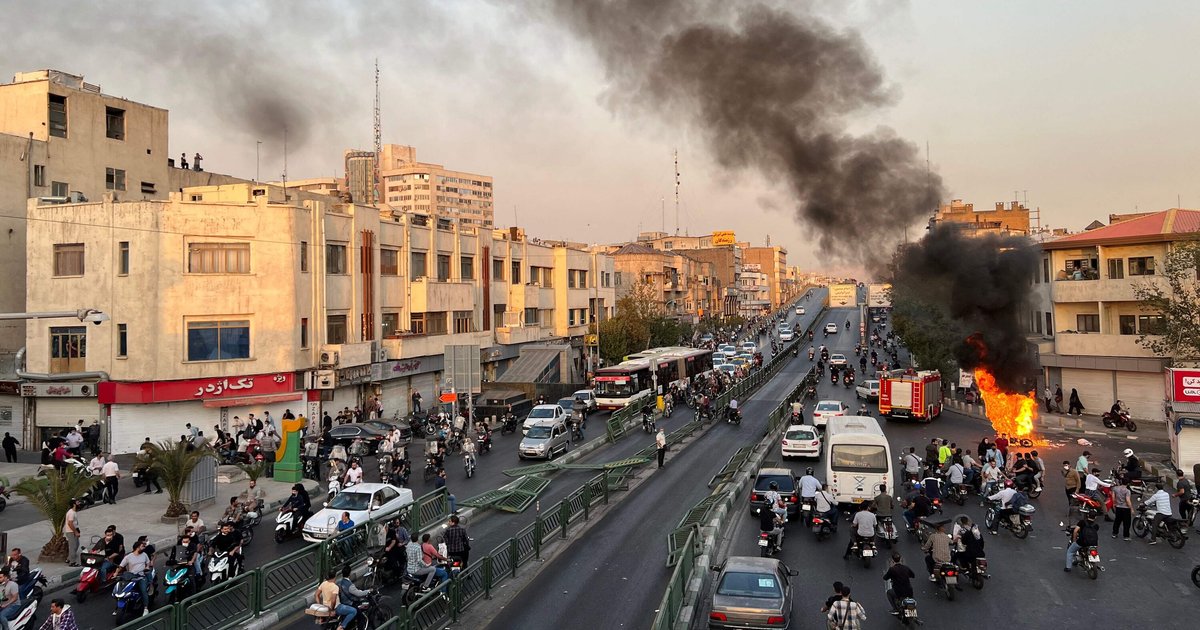
As tensions rise in Iran, concerns grow over the potential impact of war on the U.S. economy. President Donald Trump had promised Americans economic growth and job abundance, but the costs of war may undermine those commitments.
Before the outbreak of war, Trump proudly spoke of the recovery of the U.S. economy, pointing to low unemployment rates and rising stock market indices. However, the escalation of military conflict in Iran could drastically change the economic landscape, as the costs of war begin to negatively affect economic forecasts.
Details of the Conflict
Events are accelerating in Iran, with increasing clashes and the involvement of regional and international powers in the conflict. This escalation has led to rising oil prices, which negatively impacts the U.S. economy that heavily relies on stable energy prices. Additionally, geopolitical tensions may lead to fluctuations in financial markets, increasing economic uncertainty.
In light of these circumstances, many are questioning how this war will affect Trump's economic plans. With rising military costs, the president may face increasing pressure from voters who had hoped for the fulfillment of his economic promises.
Background & Context
Historically, the United States has witnessed numerous wars that have impacted its economy, such as the Iraq and Afghanistan wars. During those times, military costs affected the federal budget, leading to increased financial deficits. As tensions rise in Iran, it appears history is repeating itself, with new economic risks looming on the horizon.
Moreover, the conflict in Iran is not merely a local issue but has regional and international ramifications. Iran is considered a key player in the Middle East, and any escalation in the conflict could destabilize neighboring countries, complicating the economic situation further.
Impact & Consequences
Concerns are mounting that the war could lead to increased inflation in the United States, as prices for goods and services may rise due to higher energy costs. Companies may also struggle to plan for their futures amid the uncertainty stemming from the conflict.
Additionally, the war could result in a decline in foreign investments in the United States, as investors may feel apprehensive about the risks associated with the conflict. This could negatively affect economic growth and increase unemployment rates.
Regional Significance
The Arab region is an integral part of the repercussions of the conflict in Iran. Neighboring Arab countries may face direct consequences due to military tensions, potentially leading to increased migration and displacement. Furthermore, rising oil prices could impact the economies of these countries, which heavily rely on oil revenues.
In conclusion, the future of the U.S. economy amid escalating conflict in Iran appears uncertain. As pressures mount on Trump, the question remains: Will he be able to fulfill his economic promises under these complex circumstances?