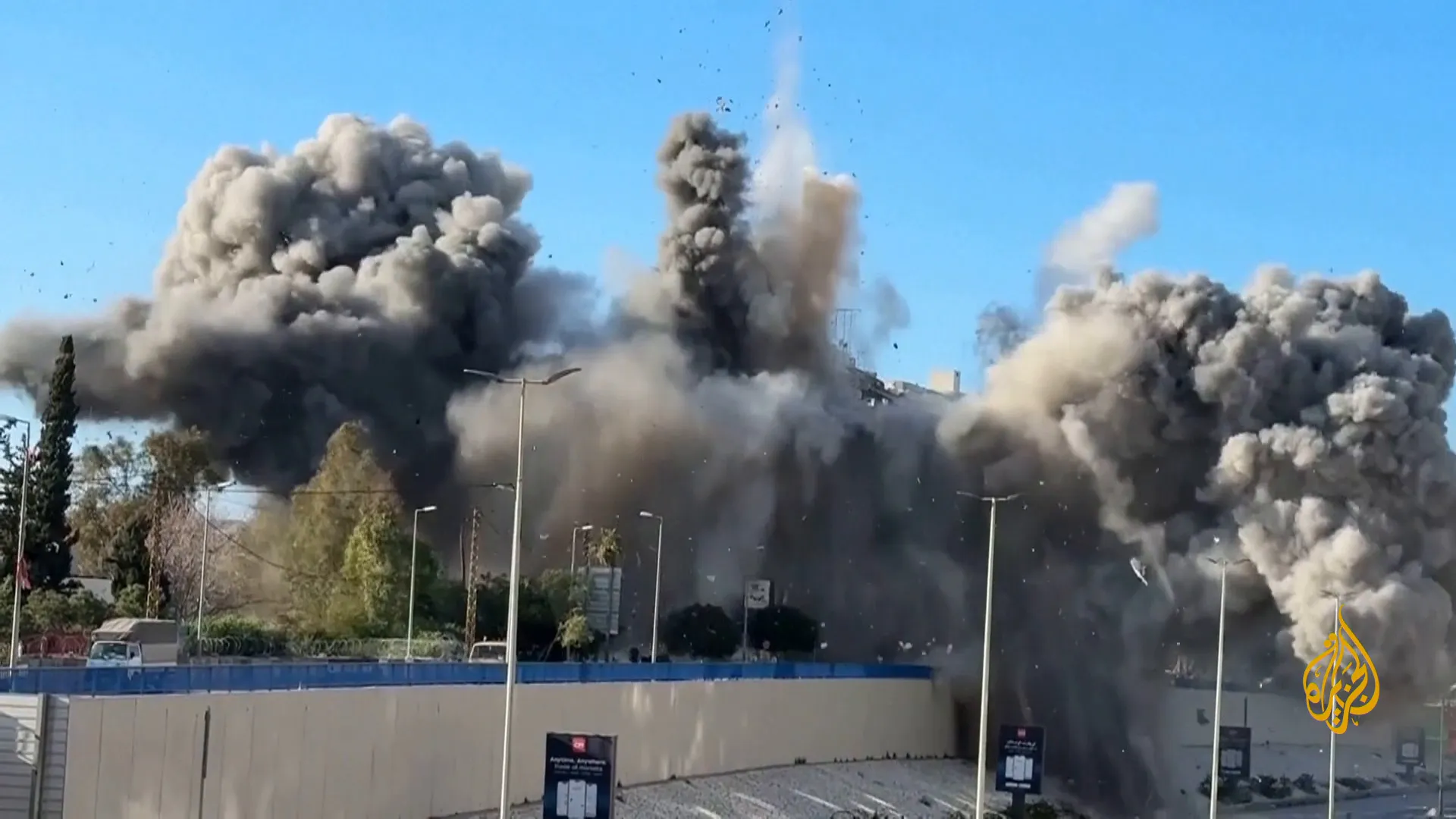
The Iranian-American-Israeli war has entered its fifth week, exacerbating economic and social crises in the region. The United Nations warns that this crisis could plunge the Middle East into a spiral of economic losses, with a sharp rise in poverty and unemployment rates.
Concerns are growing that the continuation of the conflict may worsen humanitarian conditions in the affected countries, where many residents are suffering from severe shortages of basic resources. The economic impact of the war is reflected across various sectors, including trade and investment.
Details of the Ongoing Conflict
Military operations between Iran, the United States, and Israel continue, with the parties exchanging pressures and threats. These operations have resulted in the destruction of vital infrastructure, increasing the suffering of civilians and negatively impacting the local economy.
Reports indicate that many businesses in the region have closed their doors due to deteriorating security conditions, leading to the loss of thousands of jobs. Moreover, foreign investments are declining significantly, further exacerbating economic crises.
Background & Context
Historically, the Arab region has witnessed numerous armed conflicts that have significantly affected its economies. Previous conflicts, such as the civil war in Syria and the conflict in Yemen, have left deep scars on local communities and economies.
This current war is part of a broader struggle between regional and international powers, with each side seeking to achieve its strategic interests. This conflict reflects the ongoing tensions in the region, which often lead to serious economic and social repercussions.
Impact & Consequences
The United Nations predicts that the war will lead to increased poverty and unemployment rates in the affected countries. The economic impact will include a decline in economic growth and rising inflation, making daily life more difficult for citizens.
There are growing fears that humanitarian conditions will continue to deteriorate, as many residents suffer from shortages of food and medicine. This situation could lead to the spread of diseases and increased mortality rates, putting additional pressure on health systems in the region.
Regional Significance
The war directly affects neighboring countries, where the number of refugees and displaced persons is increasing due to the conflict. This situation places additional pressures on local governments, which may struggle to provide basic services to citizens.
Furthermore, the economic impact of the war extends to global markets, where oil prices and commodity prices may be affected due to ongoing tensions. This could impact the economies of Arab countries that heavily rely on oil exports.
In conclusion, the Iranian-American-Israeli war represents a significant challenge for the region, leaving deep impacts on economies and communities. It is essential that international efforts are combined to find peaceful solutions to the conflict, to avoid further deterioration of humanitarian and economic conditions.