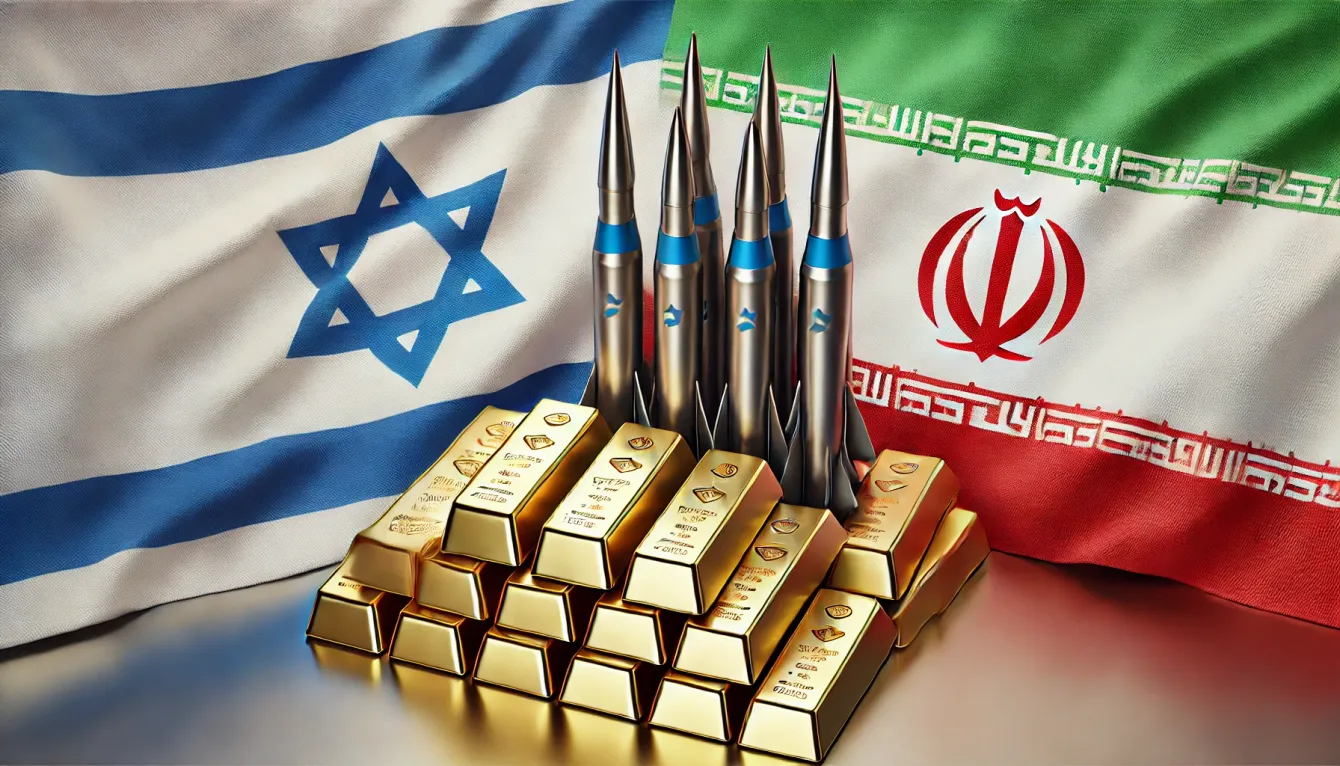
The economic concerns are rising as the conflict between Iran and Gaza escalates, directly affecting gold prices. Reports indicate that the precious metal has experienced sharp fluctuations in value as investors seek to protect their assets during times of instability.
As tensions intensify, the demand for gold as a safe haven increases. This rising demand comes amid fears of the conflict's impact on global markets, driving up gold's value and enhancing its appeal as an investment.
Details of the Event
Data shows that gold prices have risen by as much as 5% in recent days due to escalating military tensions. Analysts have noted that this increase reflects investors' concerns over geopolitical crises and their potential impact on the global economy.
The conflict between Iran and Gaza may also lead to fluctuations in oil prices, which in turn affects precious metal markets. Any military escalation could cause oil prices to rise, negatively impacting the global economy and increasing demand for gold.
Background & Context
Historically, gold is considered an asset that countries and individuals turn to during crises. Similar price increases for gold have been observed during previous conflicts in the Middle East and global financial crises. This historical context underscores gold's importance as a safe investment under current circumstances.
These events coincide with increasing economic pressures on many countries, heightening gold's significance as a means of preserving wealth. In this context, many investors are turning to gold as a way to hedge against economic risks.
Impact & Consequences
The repercussions of the Iranian-Gaza conflict extend beyond the region, affecting global markets. Rising gold prices could lead to increased production costs in various industries, which may negatively impact the global economy.
Additionally, higher gold prices may result in volatility in financial markets as investors seek to reassess their portfolios. This situation could increase pressures on financial markets, creating a sense of uncertainty in global markets.
Regional Significance
The Arab region is one of the most affected areas by military conflicts, where crises impact economic stability. Rising gold prices may increase pressures on countries that rely on oil exports, affecting their public budgets.
At the same time, some investors in the region may benefit from rising gold prices, as this increase could present an opportunity for profit. However, overall challenges remain, requiring Arab countries to take effective measures to address these crises.
In conclusion, gold remains one of the most important assets in times of crisis, as investors seek to protect their wealth amid changing circumstances. With the ongoing conflict between Iran and Gaza, the question remains about how these events will affect global markets in the future.