Concerns are rising over a potential helium supply shortage due to ongoing conflicts in the Middle East, where helium is an important byproduct of liquefied natural gas production. Helium is used in many critical applications, including semiconductor manufacturing, aerospace, and high-tech medical equipment, making any supply shortfall a threat to stability in these sectors.
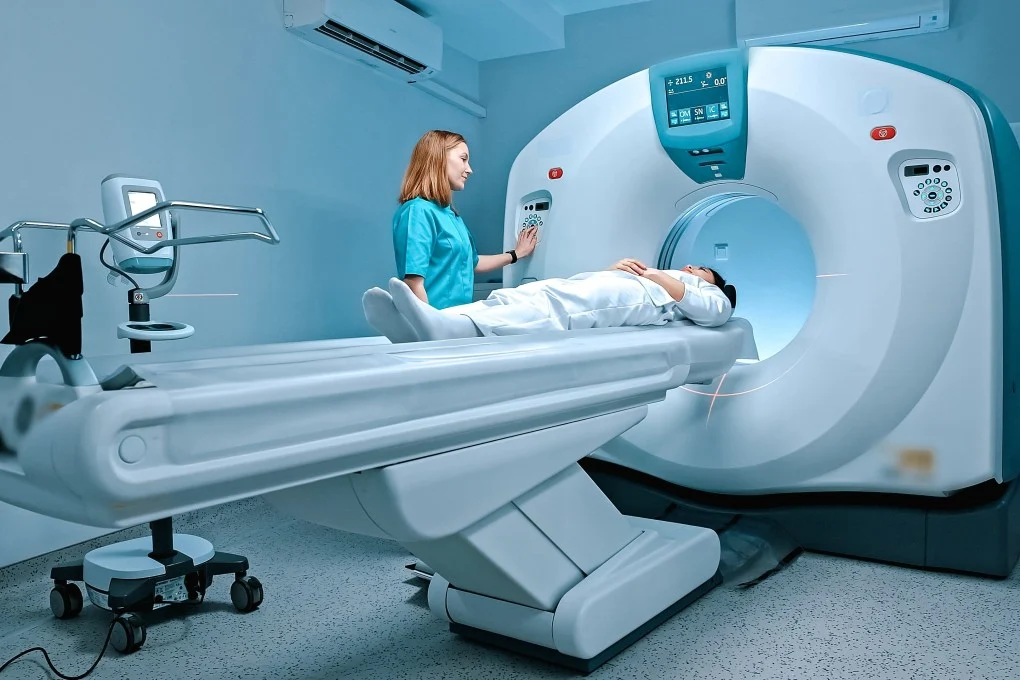
The medical sector is on high alert, as MRI machines depend on liquid helium to cool superconducting magnets. Any shortage of this vital substance could disrupt diagnostic services, putting patient health at risk.
Details of the Situation
In recent years, the Middle East has experienced increasing tensions, affecting the stability of energy markets. Helium is considered a rare material used in many applications, including the manufacturing of electronic chips used in smartphones and computers. As conflict escalates, fears grow that this could lead to supply disruptions, impacting numerous industries.
Mark Johnson, a virologist and professor at a university, reported an urgent need to monitor helium supplies, especially under current conditions. He noted that any shortage of this material could delay the provision of essential medical services, adding additional pressure on healthcare systems in many countries.
Background & Context
Helium is one of the essential elements in many modern industries and is primarily extracted from natural gas. With the increasing demand for liquefied natural gas in recent years, the importance of helium as a byproduct has grown. However, political and economic conflicts in the Middle East could lead to fluctuations in supplies, raising concerns in global markets.
Historically, the Middle East has been a major hub for natural gas production, but ongoing disputes may reduce output. In recent years, we have seen how political crises in countries like Iraq, Syria, and Libya have impacted energy supplies, which in turn affected global markets.
Impact & Consequences
If the helium shortage continues, it could lead to rising prices in global markets, affecting production costs in many industries. Major technology companies that rely on helium for semiconductor manufacturing are expected to be impacted, potentially delaying the launch of new products.
Furthermore, the helium shortage could increase pressure on healthcare systems, as many hospitals depend on MRI machines to provide diagnostic services. Thus, any helium shortfall could affect hospitals' ability to deliver necessary care to patients.
Regional Significance
Considering the situation in the Arab region, any shortage in helium supplies could particularly affect countries that rely on advanced medical technology. Amid increasing health crises, it becomes essential to have strategies in place to ensure the continuity of helium supplies.
Arab countries need to enhance regional cooperation in energy and technology to ensure they are not adversely affected by regional conflicts. Governments should also consider alternative strategies to secure helium supplies, including investing in new sources and recycling materials.
In conclusion, the helium shortage is not merely an industrial issue but one that pertains to public health and the economy. The current situation requires a swift response and international cooperation to ensure supply continuity and avoid future crises.