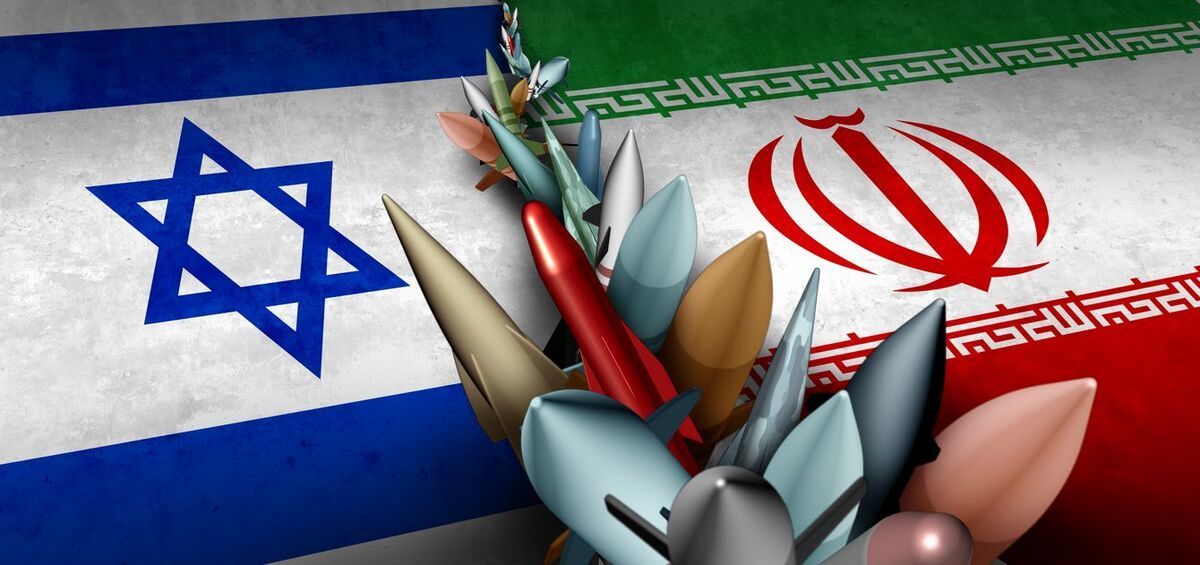
The repercussions of the war in the Middle East are rapidly impacting the global economy, extending beyond energy markets to inflation rates, growth, and supply chains. Under these circumstances, markets are oscillating between cautious optimism for potential de-escalation and fears of ongoing turmoil.
Data indicates that the shock from the war is no longer confined to price fluctuations but has begun to influence government and corporate decisions. Pressures are mounting on both advanced and emerging economies, raising concerns about global economic stability.
Details of the Event
Markets responded to signals of potential de-escalation, with global stocks rising and oil prices falling, following statements suggesting the possibility of ending the war in the coming weeks. Brent crude fell by approximately 1.6% to $102.32 per barrel, while West Texas Intermediate dropped by about 2% to $99.32 per barrel. Meanwhile, European stocks recorded notable gains.
In light of these developments, Britain is leading an international initiative through a meeting involving around 35 countries to discuss reopening the Strait of Hormuz and securing navigation, amidst rising risks to global energy flows.
Background & Context
As the Bank of England warns of a decline in global production and rising financial system risks, inflationary pressures linked to soaring energy prices continue. Major economies are adjusting their forecasts, with Germany lowering its growth estimate to 0.6% for 2026, anticipating inflation to rise to 2.8% due to the energy shock.
India is also facing rising jet fuel prices, as authorities strive to mitigate the impact on the aviation sector. These indicators suggest that the crisis's effects are widening to developing countries, with Australia calling for fuel consumption rationalization amid expectations of the crisis persisting for several months.
Impact & Consequences
In Cambodia, diesel prices have doubled, exerting direct pressure on the agricultural sector and food production. The crisis's impact extends to essential service sectors, with a desalination plant in the Hormuz area disrupted, reflecting the broadening scope of repercussions beyond the energy sector.
These developments indicate that the disruption in the Strait of Hormuz, through which about one-fifth of global oil supplies pass, is repricing risks in the markets and affecting various economic sectors. Amid this interplay of geopolitical factors, inflation, and supply chains, the risks of stagflation are increasing.
Regional Significance
Governments are facing complex choices between supporting economies and tightening monetary policies, as the trajectory of the global economy remains tied to developments in the war. These conditions may directly impact Arab countries, which heavily rely on importing energy and essential resources.
In conclusion, the repercussions of the war in the Middle East remain a focal point of global concern, highlighting the need for effective strategies to address the mounting economic pressures.