The waves of displacement in Lebanon are accelerating as military operations intensify, with the number of displaced individuals exceeding 1.6 million, nearly one-fifth of the country's population. This displacement includes around 370,000 children, placing unprecedented pressure on cities and essential services.
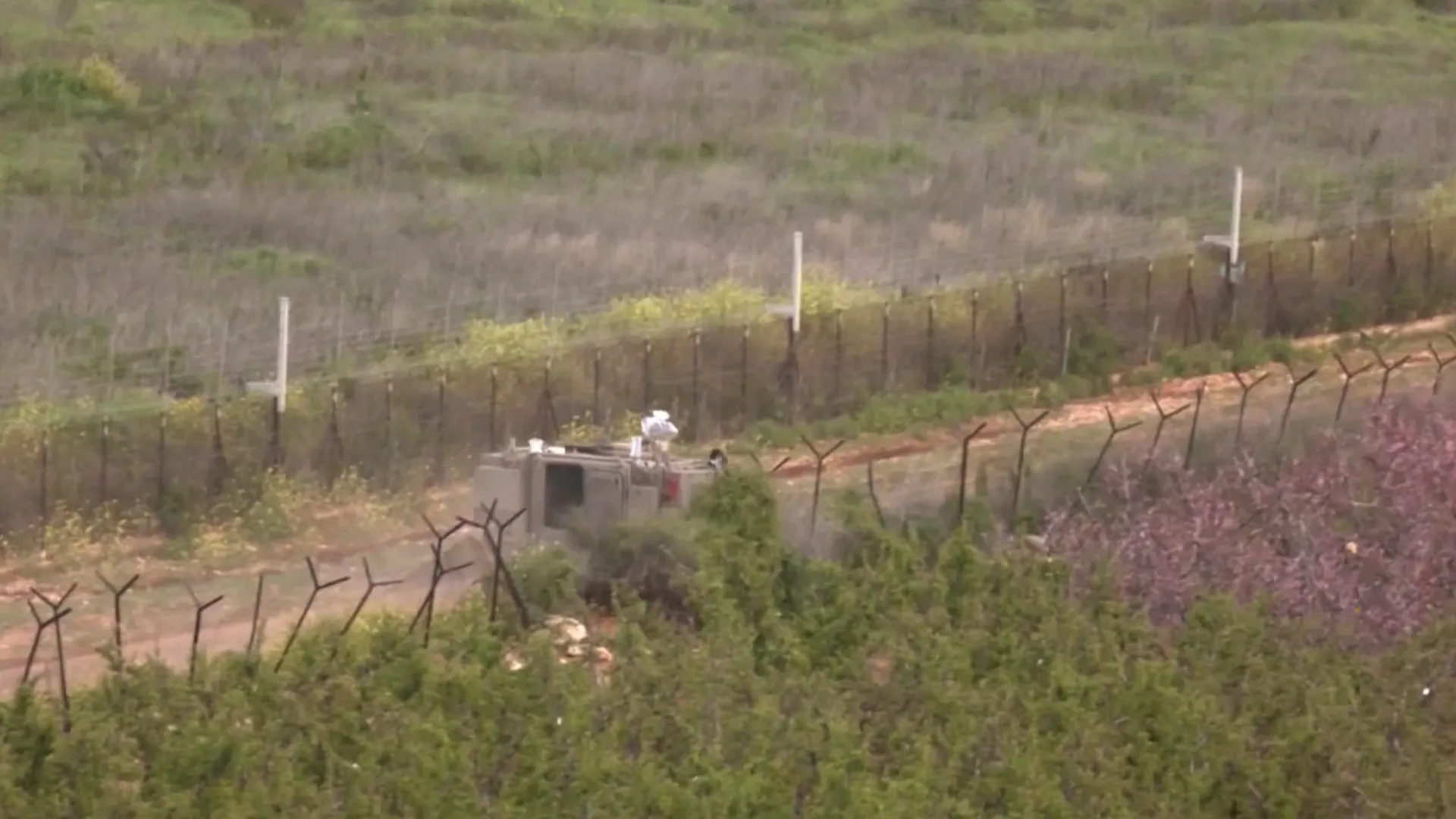
This crisis coincides with intense airstrikes and military incursions, as Israel threatens to breach the buffer zone, reaching the Litani River, evoking scenarios from the conflicts in Gaza and Syria to establish a permanent military presence.
Details of the Displacement Crisis
The displacement crisis originated from southern Lebanon, particularly from the South and Nabatieh governorates, extending to the Bekaa and Ba'albek-Hermel regions, as well as the southern suburbs of Beirut. Areas in Beirut, Mount Lebanon, and northern Lebanon have received hundreds of thousands of fleeing individuals, further increasing the strain on infrastructure and essential services.
Estimates indicate that over 136,000 displaced individuals are residing in approximately 35,000 families across 375 collective shelters. However, around 85% of the displaced remain outside any organized relief system, relying on host families, rented accommodations, temporary tents, or even their vehicles.
Background & Context
The humanitarian crisis in Lebanon is exacerbated by the deteriorating security and economic situation. Vital infrastructure has suffered extensive damage, with electricity, water, and health services disrupted, and major bridges over the Litani River destroyed, isolating entire areas from their surroundings.
Lebanese cities are facing a severe economic crisis, increasingly relying on international aid that does not sufficiently reach the most affected areas, particularly towns near the Blue Line. This reality complicates relief efforts and negatively impacts the lives of the displaced.
Impact & Consequences
Large areas of southern Lebanon are heading towards profound geographical and demographic shifts, with populations remaining isolated and struggling to access aid. The return of displaced individuals is contingent on unclear security arrangements, raising concerns about their future.
These conditions require an urgent response from the international community to meet the growing humanitarian needs, as international funding covers only a limited portion of actual requirements. The lack of a clear prospect for safe or near returns exacerbates the suffering of the displaced.
Regional Significance
The displacement crisis in Lebanon poses a significant challenge not only for Lebanon but for the entire Arab region. With the increasing number of displaced individuals, there is a pressing need for a collective response from Arab nations and the international community to address this humanitarian crisis.
The situation in Lebanon reflects the ongoing challenges faced by the region, where humanitarian crises intertwine with political and security crises, necessitating coordinated efforts to alleviate civilian suffering.
In conclusion, the conditions in Lebanon demand urgent attention from the international community, as the displaced face dire humanitarian circumstances and require sustained support to ensure their basic rights and safe return to their homes.