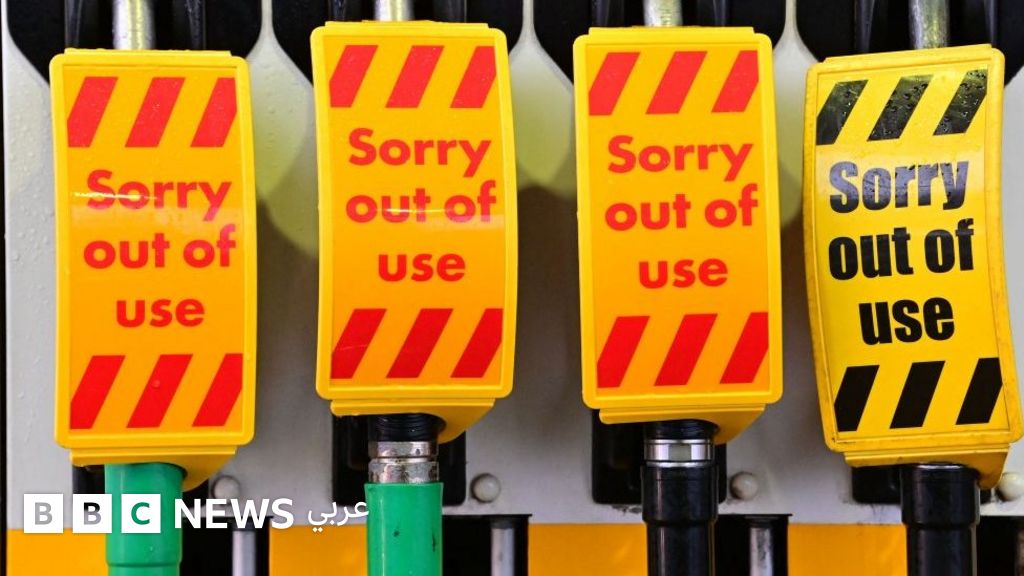
Concerns are growing over the worsening crisis in fuel and fertilizers in global markets, as the Iranian war has caused significant disruptions in supply chains. Reports indicate that trade restrictions imposed by governments may exacerbate the situation instead of improving it, threatening market stability and increasing economic pressures on importing countries.
This crisis comes at a sensitive time, as many countries are suffering from rising prices of fuel and fertilizers, directly impacting agricultural and industrial production. Experts point out that monopolies that may arise from these restrictions could lead to greater supply shortages, further driving up prices and increasing consumer suffering.
Details of the Situation
News continues to emerge regarding the deteriorating conditions in Iran due to the ongoing conflict, which has severely damaged production infrastructure. This conflict has led to a reduction in the quantities of fuel and fertilizers available for export, affecting global markets. Under these circumstances, some governments have begun imposing trade restrictions to protect their local markets, but these measures may lead to counterproductive results.
For instance, studies have shown that trade restrictions can lead to increased prices in local markets, as traders tend to hoard goods instead of selling them, creating supply shortages. This has indeed occurred in many countries that have imposed restrictions on the import of fuel and fertilizers.
Background & Context
Historically, global markets have experienced similar crises due to conflicts and wars. The Iranian war is not the first to impact global supplies; the world has previously faced similar crises during wars in the Middle East, such as the Iraq-Kuwait war. These crises had significant repercussions on energy and fertilizer prices, impacting the global economy as a whole.
Iran is considered one of the largest producers of oil and gas in the world, and any disruption in its production can significantly affect global markets. With rising political tensions in the region, concerns are growing that these crises may persist for an extended period, increasing pressures on importing countries.
Impact & Consequences
Reports predict that the fuel and fertilizer crisis will lead to increased inflation in many countries, affecting consumers' purchasing power. Additionally, rising fertilizer prices may negatively impact agricultural production, leading to food shortages and higher prices in local markets.
Moreover, these crises could exacerbate social and economic conditions in developing countries, where many populations rely on agriculture as a primary source of income. Consequently, any increase in fertilizer prices could worsen poverty and hunger in these areas.
Regional Significance
Arab countries are among the most affected by these crises, as many nations rely on importing fuel and fertilizers from Iran and other countries. With rising prices, these nations may face significant challenges in securing their basic needs, potentially leading to social and economic unrest.
While oil-producing Arab countries may benefit from rising prices, they may also face pressures from importing countries suffering from increased production costs. Therefore, the situation requires greater coordination among Arab nations to address these challenges.
In conclusion, the fuel and fertilizer crisis emerges as one of the major challenges facing the global economy today. With the ongoing conflict in Iran, swift and effective solutions are becoming essential to prevent further deterioration of the situation.