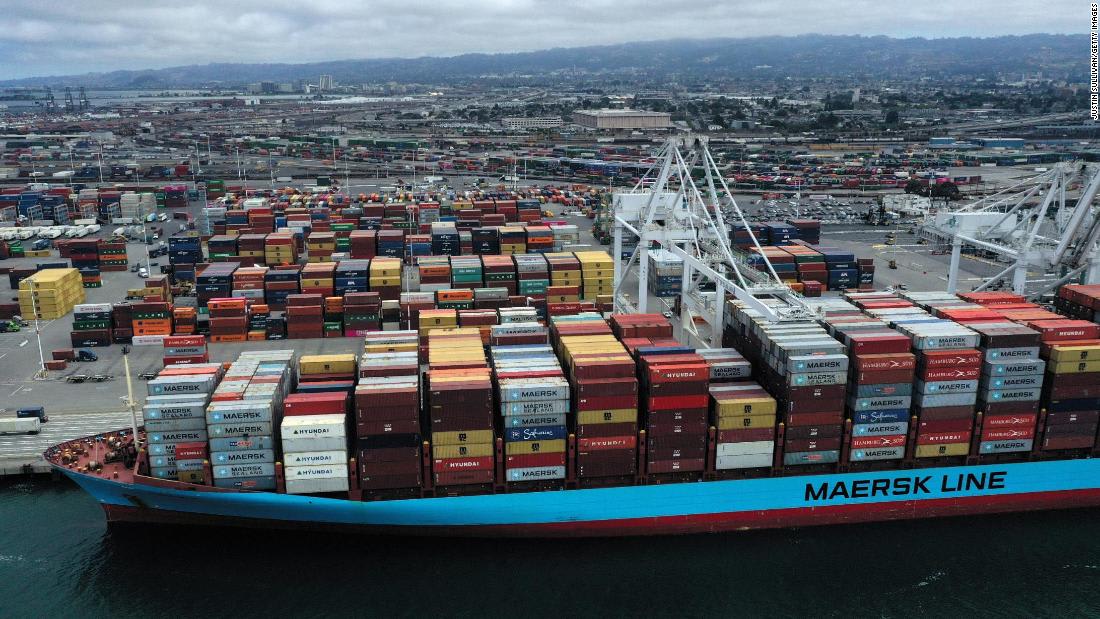
The economic relations between the United States and Canada are among the most enduring and stable relationships over the decades, forming a strong partnership between the two northern neighbors. However, this relationship has been tested in recent years due to the trade policies implemented by former US President Donald Trump, which included imposing tariffs on Canadian exports to the United States and ongoing threats to make Canada the fifty-first state in the US union.
In statements from several prominent figures in Canada, such as the renowned author Louise Penny and businessman Goldy Hyder, there has been an increasing sense of tension and a loss of trust between the two peoples. There seems to be a division of opinions regarding the impact of trade policies, as some Canadian executives, like Barry Zackman, affirm that these policies may have certain benefits, at least at the moment.
In the same context, Stephen Poloz, former governor of the Bank of Canada, warned that both countries could face negative economic consequences as a result of these tensions, noting that the deep economic interconnection between the two nations makes any trade conflict detrimental to both. Indeed, figures have shown a decline in bilateral trade amid negative sentiments from both sides.
The trade war between the US and Canada is not a new event. Over several decades, this relationship has evolved significantly since the signing of the North American Free Trade Agreement (NAFTA) in the 1990s. However, things changed dramatically when Trump became president, adopting a more aggressive approach towards trade partners. Due to these policies, voices in Canada began calling for a reassessment of the country’s economic strength and ways to improve its international trade relations.
The repercussions of these tensions are not limited to both sides but can extend to other regions of the world, especially since the US and Canadian economies represent a significant portion of the global economy. It is noteworthy that few countries have the capacity to influence commodity and service markets as the US and Canada do, making this a starting point for a broader discussion on the global economy.
Considering the events in the Arab region, Canada's economic relationship may prompt Arab countries to rethink their trade strategies, particularly with the US. Many Arab nations are seeking to strengthen their trade relations with regional and international partners, and it may be wise to adopt flexible strategies in the face of the impacts of trade tensions, whether with the United States or other economic powers.
In conclusion, US-Canadian relations remain a vivid example of the importance of economic cooperation, while reflecting how government policies can affect the dynamics between nations. It appears that the future of these relations largely depends on how both parties address these challenges and their willingness to find solutions that ensure their mutual interests.