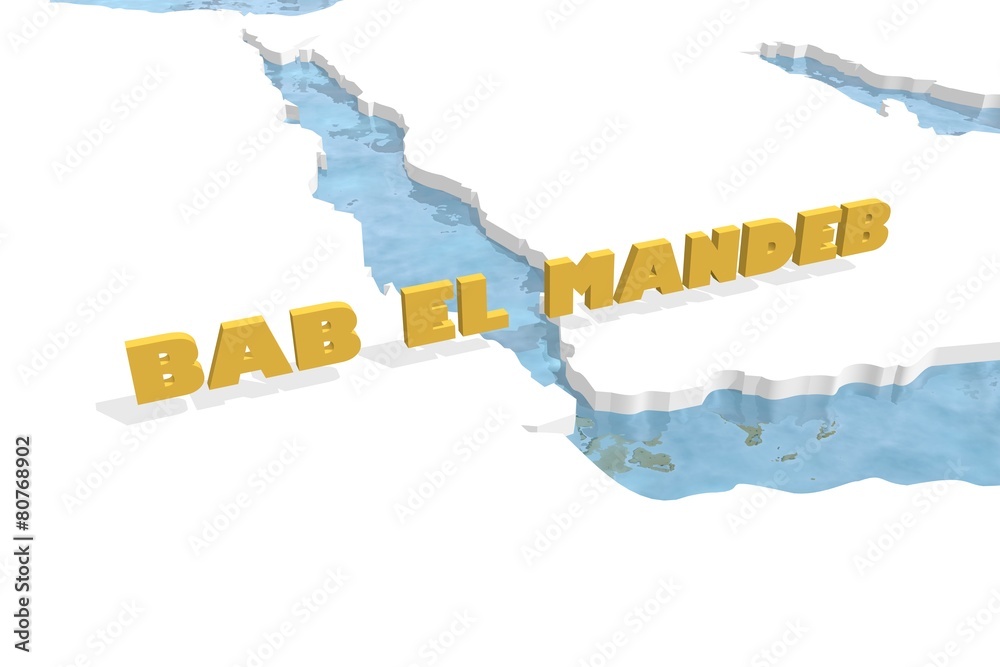
The Bab el-Mandeb Strait is considered one of the most important maritime passages in the world, connecting the Red Sea to the Gulf of Aden, and serves as a second lung for the global economy after the Strait of Hormuz. As tensions in the region escalate, navigation through this strait is increasingly threatened, especially after Iran restricted maritime movement in the Strait of Hormuz as part of its response to ongoing American and Israeli aggression.
Concerns are growing that the Houthi group's involvement in the conflict could escalate the situation in Bab el-Mandeb, negatively impacting global trade. Experts indicate that any potential closure of this strait could lead to significant increases in energy and food prices, threatening economic stability worldwide.
Details of the Situation
The oil and natural gas supplies that pass through the Bab el-Mandeb Strait are essential for many countries, with approximately 10% of total global maritime trade transiting through this passage. As tensions rise, some countries have begun taking precautionary measures to ensure the safety of their vessels, which may lead to increased shipping and insurance costs.
In this context, reports indicate that the Houthis have started to enhance their military capabilities, raising the likelihood of escalation in the region. Recent events have shown that the Houthis may respond to any attacks against them with increased force, complicating the situation in Bab el-Mandeb further.
Background & Context
Historically, the Bab el-Mandeb Strait has been a focal point for regional conflicts, witnessing numerous military disputes over the decades. With the rise of Iranian influence in the region, this strait has become a pivotal point in the struggle between regional and international powers. The Houthis, who receive support from Iran, are part of this broader conflict, further complicating the situation in the area.
In recent years, the region has seen an escalation in military activities, with American and Israeli forces conducting operations against Iranian targets in Iraq and Syria. In response, Iran has supported its allies in the region, including the Houthis, intensifying tensions.
Impact & Consequences
If the situation continues to escalate, the repercussions will be severe for the global economy. A closure of the Bab el-Mandeb Strait could lead to a significant increase in oil prices, impacting transportation costs and essential goods. Additionally, any disruption in energy supplies could exacerbate economic crises in many countries, particularly those heavily reliant on imports.
Moreover, escalating tensions in Bab el-Mandeb could lead to a spread of instability in the region, negatively affecting both regional and international security. Major powers may be compelled to intervene to protect their interests, further complicating the conflict.
Regional Significance
The Arab countries neighboring the Bab el-Mandeb Strait, such as Yemen and Saudi Arabia, are the most affected by the current developments. An escalation by the Houthis could increase pressure on the internationally recognized Yemeni government, potentially worsening the humanitarian situation in the country.
Additionally, Gulf countries that rely on oil supplies will face significant challenges should any escalation occur in the region. These nations may need to take precautionary measures to ensure the safety of their supplies, which could impact the stability of energy markets.
In conclusion, the Bab el-Mandeb Strait remains a pivotal point in regional and international conflict, and the international community must make urgent efforts to prevent further escalation and ensure the safety of navigation in this vital passage.