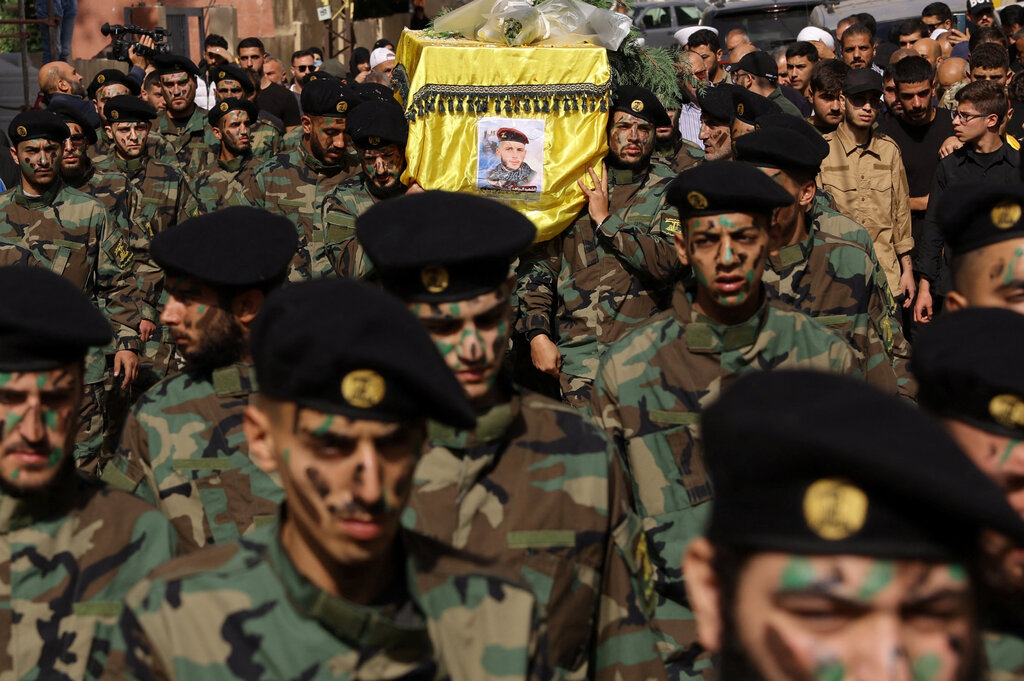
UNIFIL, the United Nations Interim Force in Lebanon, announced that the repeated attacks between Hezbollah and Israel near its positions in Lebanon require appropriate military measures. The organization emphasized that the security situation in the area demands an effective response to ensure the safety of civilians and international observers.
These statements come at a time when the Lebanese-Israeli border is experiencing increasing tension, with clashes between the two sides escalating recently. UNIFIL has recorded several incidents related to gunfire, raising concerns about the stability of the region.
Details of the Incident
In an official statement, UNIFIL confirmed that it is closely monitoring the situation, noting that any escalation could have dire consequences for civilians. The organization also called on all parties to exercise restraint and refrain from any actions that could exacerbate the situation.
In a related context, UNIFIL officials pointed out that the recent attacks represent a violation of Resolution 1701, which aims to maintain peace in the region. The presence of international forces in the area has been strengthened to monitor the situation and ensure that violence does not escalate.
Background & Context
The roots of the tensions between Hezbollah and Israel date back decades, with the region witnessing numerous wars and conflicts. Since the 2006 war, which devastated large parts of Lebanon, relations between the two sides have remained strained, with ongoing exchanges of accusations and assaults.
UNIFIL is part of international efforts to maintain peace in Lebanon and was deployed following the Lebanese civil war in 1978. However, security challenges persist, raising questions about the effectiveness of these forces in achieving stability.
Impact & Consequences
The current escalations could lead to serious repercussions for regional security, as the conflict may expand to include other countries in the area. Any escalation could also affect peace efforts and increase the suffering of civilians in Lebanon and the occupied territories.
Concerns are growing that these tensions could lead to a full-scale armed conflict, which could hinder international community efforts to achieve peace and stability in the region. Additionally, the situation may impact relations between major powers involved in the conflict, further complicating the political landscape.
Regional Significance
The ongoing events in Lebanon are part of a larger picture of conflicts in the Middle East, where regional and international interests intersect. Any escalation in Lebanon could affect neighboring countries, such as Syria and Palestine, increasing tensions in the region.
The current situation also highlights the importance of dialogue and negotiation as a means to resolve conflicts, as continued violence will only exacerbate humanitarian conditions. The international community must intervene effectively to ensure that crises in the region do not worsen.