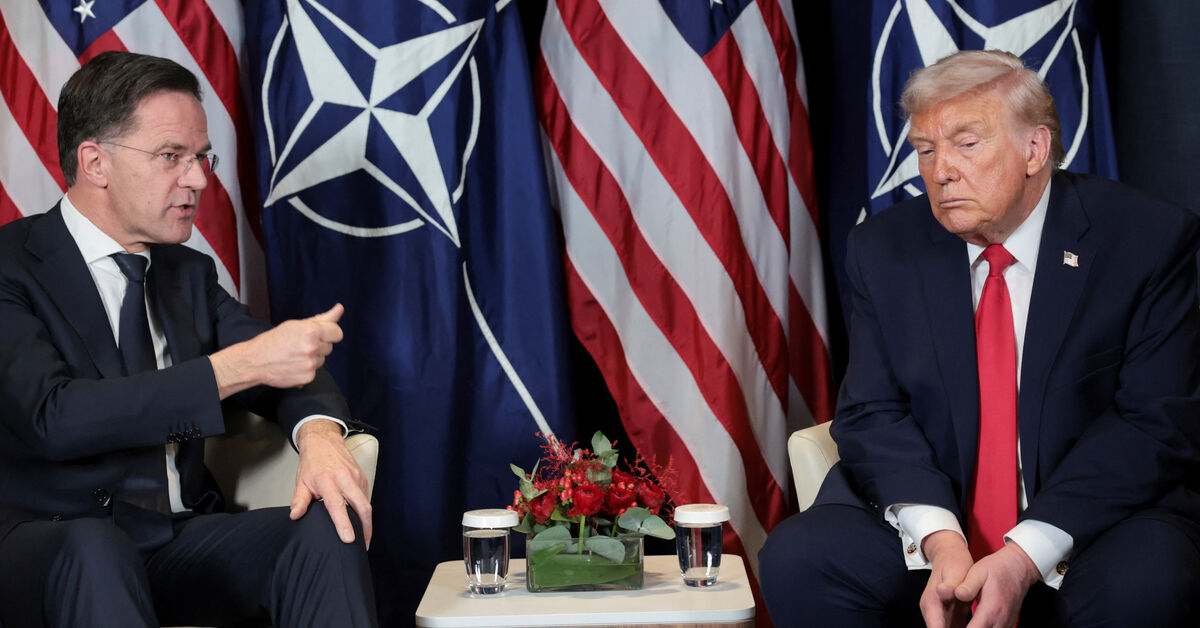
Pressure is mounting on NATO amid escalating tensions between the United States and Iran, with this conflict seen as a new test of the alliance's ability to endure and maintain cohesion. Established 76 years ago, NATO faces multiple challenges, ranging from the war in Ukraine to political pressures exerted by former President Donald Trump.
In recent years, NATO has encountered numerous crises, but the current conflict between the United States and Iran appears to be the most threatening to its stability. Reports indicate that this conflict, occurring thousands of miles from Europe, could lead to the disintegration of the alliance or at least leave it in an unprecedented state of weakness.
Details of the Current Situation
The tensions between the United States and Iran are intensifying, with Washington accusing Tehran of supporting armed groups in the Middle East, threatening American and European interests. Simultaneously, Israel, a close ally of the United States, is seeking military action against Iran, complicating the situation further. These dynamics present NATO with new challenges that require clear positions from its member states.
On the other hand, during his presidency, Trump demonstrated a lack of interest in traditional NATO commitments, repeatedly criticizing the alliance and threatening to reassess the United States' commitment to it. This stance could contribute to undermining the unity of the alliance, especially under current circumstances.
Background & Context
NATO was founded in 1949 in response to the security challenges faced by Western nations after World War II. Its primary goal was to ensure the collective security of member states against any external threats. However, the alliance has experienced numerous crises over the years, including the Cold War, the Balkan wars, and the war on terror.
In recent years, new challenges have emerged, such as the rising Russian influence in Europe and conflicts in the Middle East, complicating the security landscape. Nevertheless, the current tensions between the United States and Iran may have the most significant impact on the alliance's unity, as they require member states to take positions that may conflict with their national interests.
Impact & Consequences
If tensions between the United States and Iran continue, it could lead to the disintegration of NATO or at least leave it in a weakened state. Some member states may adopt independent stances that contradict the alliance's policies, increasing divisions. Additionally, this situation could escalate military tensions in the region, threatening both regional and international security.
Furthermore, a weakened NATO could encourage other countries, such as Russia and China, to enhance their influence in various regions, increasing the challenges facing the global security system. In this context, it may become difficult for NATO member states to coordinate effectively to address common threats.
Regional Significance
The tensions between the United States and Iran directly affect the Arab region, where Iran is a key player in many regional conflicts. Any escalation in the conflict could heighten tensions in countries like Iraq, Syria, and Lebanon, where Iranian forces and Iran-backed groups are present.
Moreover, any weakening of NATO could impact the stability of the region, as Arab countries may find themselves compelled to deal with new threats without the alliance's support. In this context, Arab states must consider new strategies to ensure their security and stability amid these global changes.
In conclusion, the conflict between the United States and Iran poses a significant challenge to NATO and could have profound implications for regional and international security. The current situation requires NATO member states to contemplate new strategies to ensure their cohesion and ability to face future challenges.